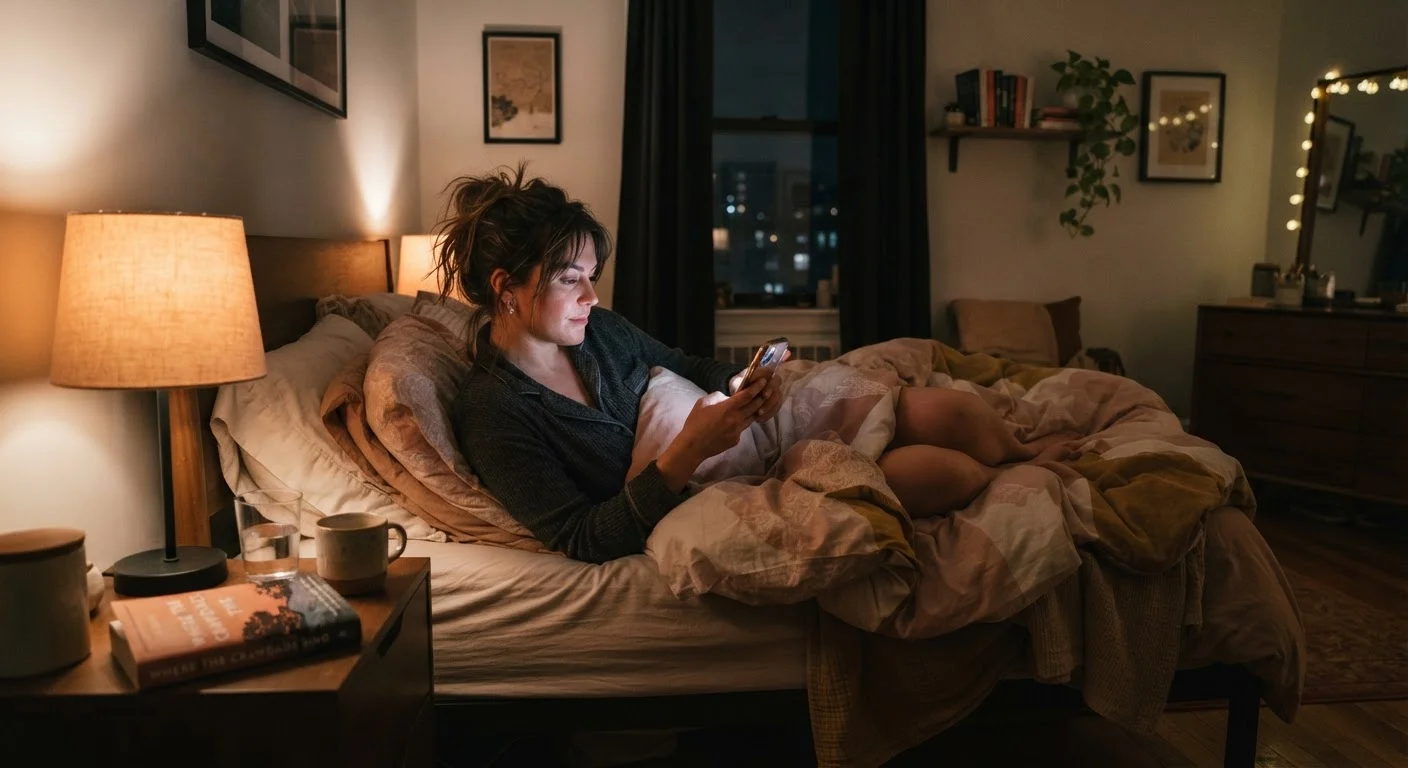
Why Screen Time Before Bed Gets So Much Attention
Most of us have heard the warning: put your phone down before bed. But the reasoning behind that advice is often oversimplified, leaving beginners either anxious about every minute of screen use or dismissing the concern entirely. The truth, as research suggests, sits somewhere in between.
Screens - phones, tablets, laptops, televisions - emit short-wavelength light often called blue light. Your brain's internal clock, known as the circadian rhythm, is sensitive to light signals. Blue light in the evening can interfere with the natural rise of melatonin, the hormone that signals to your body it's time to sleep. This is the biological basis for most screen-time-before-bed concerns.
However, blue light is only part of the picture. The type of content you engage with, your emotional state while using the device, and how long before bed you put it down all play a role in whether screens disrupt your rest. Understanding these nuances helps you make more informed choices - rather than simply feeling guilty every time you reach for your phone.
For a broader look at how nightly habits fit into your overall well-being, see how evening and morning routines compare.
Common Myths - and What the Evidence Actually Shows
Misconceptions about screens and sleep are widespread, often fuelled by headlines that oversimplify nuanced research. Below, we break down the most common myths and replace them with a clearer, evidence-grounded picture.
Myth
Blue light from screens is the main reason phones ruin your sleep.
Fact
Blue light is one contributing factor, but engaging, stimulating content and emotional arousal may be equally - or more - disruptive to sleep onset.
Studies, including research published in sleep science journals, have found that the psychological stimulation from content - stressful news, social comparison, competitive games - can delay sleep regardless of the light source. A printed thriller novel can keep you up just as effectively as a smartphone. Blue light matters, but it's rarely the whole story.
Myth
Night mode completely cancels out the negative effects of screen use before bed.
Fact
Night mode and warm-colour filters reduce blue light exposure but do not eliminate sleep disruption caused by mental engagement or bright overall screen illuminance.
Night mode shifts display colour toward warmer tones, which is genuinely helpful. However, research suggests that overall screen brightness and the stimulating nature of content still affect alertness. Think of night mode as one useful tool - not a green light to scroll without limit right up until you close your eyes.
Myth
Everyone is equally affected by screen use before bed.
Fact
Individual sensitivity to light and stimulation varies considerably, meaning the same bedtime screen habits can affect two people very differently.
Factors like age, chronotype (whether you're naturally a morning or evening person), stress levels, and underlying sleep conditions all influence how much pre-sleep screen use disrupts rest. Older adults tend to be more sensitive to light-induced melatonin suppression. Young children and adolescents are also particularly vulnerable. If you seem relatively unaffected, that doesn't mean the same is true for everyone in your household.
Myth
The only fix is eliminating screens entirely for several hours before bed.
Fact
Moderate adjustments - such as dimming brightness, choosing calmer content, and ending screen use 20-30 minutes before sleep - can meaningfully reduce disruption for many people.
An all-or-nothing approach can feel unrealistic and isn't always supported by evidence as the only effective strategy. Building a consistent, calming wind-down routine that gradually reduces stimulation tends to be more sustainable. Screen-free time close to bed is beneficial, but it doesn't need to start hours earlier for most healthy adults. Consistency across your whole routine matters more than any single rule. For deeper insight, explore how sleep and mental well-being influence each other.
90%
Adults who use a device in the hour before bed
A National Sleep Foundation poll found roughly 9 in 10 Americans use some form of technology in the hour before sleep at least a few nights per week.
~30 min
Average delay in melatonin onset from bright screen exposure
Research has indicated that bright light from screens in the evening can delay the natural onset of melatonin by approximately 30 minutes on average, though individual results vary.
Small Adjustments That Can Support Better Sleep
You don't need to ban all screens after sunset to protect your sleep. Research points to several practical strategies that reduce potential disruption without requiring dramatic lifestyle overhauls.
- Dim your screen brightness in the evening. Lower brightness reduces light intensity and can lessen the melatonin-suppressing effect.
- Use night mode or warm-colour display settings if your device offers them. These filters shift the screen toward warmer tones, which are less stimulating to your circadian rhythm - though they don't eliminate all effects.
- Choose calmer content in the hour before bed. Scrolling emotionally charged news or playing fast-paced games keeps your nervous system alert. Opt for something low-stimulus if you do use a screen.
- Create distance from your device as bedtime approaches - even 20-30 minutes of screen-free time can help your body begin transitioning toward sleep mode.
- Keep devices out of reach once you're in bed to reduce the temptation to check notifications during the night.
These habits fit naturally into a broader wind-down routine. If you're noticing other patterns quietly eroding your sleep quality, common habits that undermine healthy routines offers useful context.
When Sleep Problems Need Professional Attention
If disrupted sleep is affecting your mood, concentration, work, or daily functioning on a regular basis, it's worth speaking with a healthcare provider. Persistent insomnia or excessive daytime sleepiness can have underlying causes that go well beyond screen habits. Reducing screen time is a supportive lifestyle step - not a substitute for professional evaluation.
This article is for general informational purposes only and does not constitute medical advice. If you are experiencing persistent sleep difficulties, please consult a qualified healthcare professional.