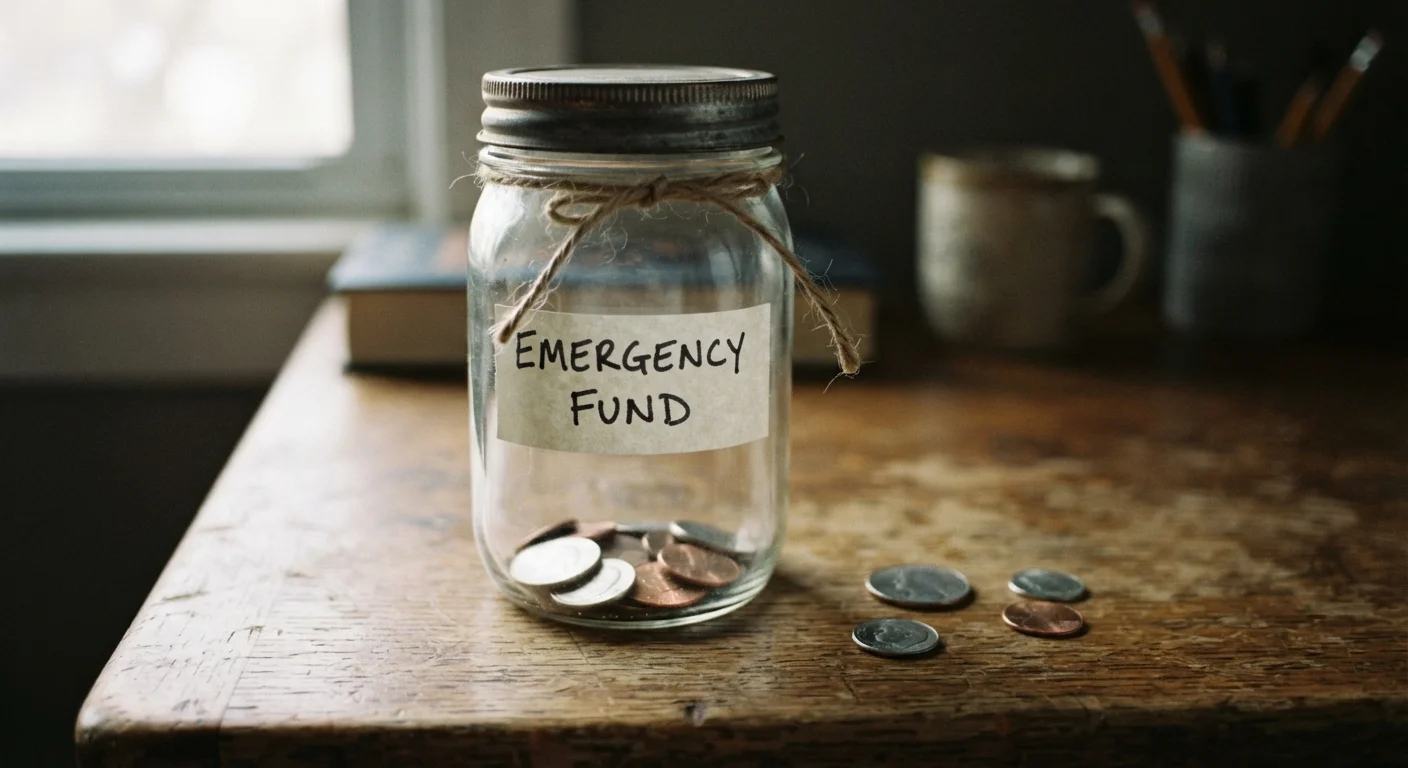
The Cycle Most People Don't See Coming
Building an emergency fund takes months of discipline. Spending it can take a single afternoon. What surprises most people isn't the depletion itself - it's how hard it is to start over afterward.
The struggle to rebuild isn't a willpower problem. It's usually a systems problem: vague rules about what the fund is for, no automatic mechanism to refill it, and a motivational dip that sets in once the crisis has passed. Understanding the specific patterns behind each mistake is the first step toward breaking the cycle.
Use the Emergency Fund Readiness Checklist to assess where your fund stands before a depletion event forces the question.
Common Mistakes That Drain and Stall Emergency Funds
The mistakes below are not about carelessness - most happen because of reasonable decisions made under pressure, without the right structures in place. Recognizing them in advance is what allows you to set up guardrails before you need them.
Using the emergency fund for non-emergency expenses like vacations, holiday gifts, or home upgrades.
Why it happens: When a large expense arrives and the emergency fund is the only available pool of money, spending it feels logical - even if the expense was predictable.
Not having a written definition of what qualifies as an emergency before the fund is ever needed.
Why it happens: In a stressful moment, almost any large or urgent expense can feel like an emergency - a car repair, a sale on appliances, or a last-minute travel deal.
Stopping contributions entirely once the fund reaches a comfortable balance.
Why it happens: Saving feels less urgent once the account has a meaningful balance. Other financial goals - debt payoff, investing - compete for the same dollars.
Rebuilding in large, infrequent lump sums rather than small, automatic transfers.
Why it happens: After depleting a fund, people often resolve to "put a lot back at once" when money allows - but that moment rarely arrives predictably.
Keeping the emergency fund in the same account as everyday spending money.
Why it happens: It's convenient, and opening a separate account feels like extra effort. But when balances are visible together, the cushion feels like spending money.
Setting an unrealistic savings target that makes rebuilding feel hopeless from the start.
Why it happens: Common guidance recommends three to six months of expenses, which can sound enormous after a depletion event - leading people to abandon rebuilding altogether.
Blurring 'Urgent' and 'Emergency' Is Costly
An expense that feels urgent - a flash sale, a friend's destination wedding, an appliance that's getting old - is not automatically an emergency. Spending reserve funds on urgent-but-not-necessary items leaves you exposed when a true emergency (job loss, medical event, major car failure) arrives. Define your criteria for fund use before the pressure moment hits.
If you're in the process of rebuilding right now, also consider where your fund is held. A high-interest savings account can help your balance recover faster than a standard account - compare your options here.
Making Rebuilding Automatic and Sustainable
After a drawdown, the most important move is to restart contributions before motivation fades - which typically happens within a few weeks of the crisis resolving. Set up an automatic transfer the same week you start spending from the fund, not after it's empty.
~57%
Americans unable to cover a $1,000 emergency from savings
A Bankrate survey found that roughly 57% of U.S. adults could not pay for a $1,000 unexpected expense from savings alone, highlighting how common emergency fund shortfalls are.
$25/week
Weekly auto-transfer that rebuilds $1,300 annually
Consistent small automatic contributions - even modest amounts - accumulate meaningfully over time without requiring active decisions each pay period.
It also helps to revisit your budget with emergency savings as a fixed line item rather than what's left over. The Budgeting Basics hub covers simple strategies for making that shift. Additionally, be clear on the distinction between a rainy day fund and a true emergency fund - understanding the difference helps you plan for both without pulling from the wrong bucket.
This Is General Information, Not Financial Advice
The guidance in this article is educational and intended for general audiences. Everyone's financial situation is different. For decisions specific to your circumstances, consult a licensed financial professional.
This article is for general informational and educational purposes only. It does not constitute personalized financial advice. Consult a qualified financial professional for guidance suited to your individual situation.