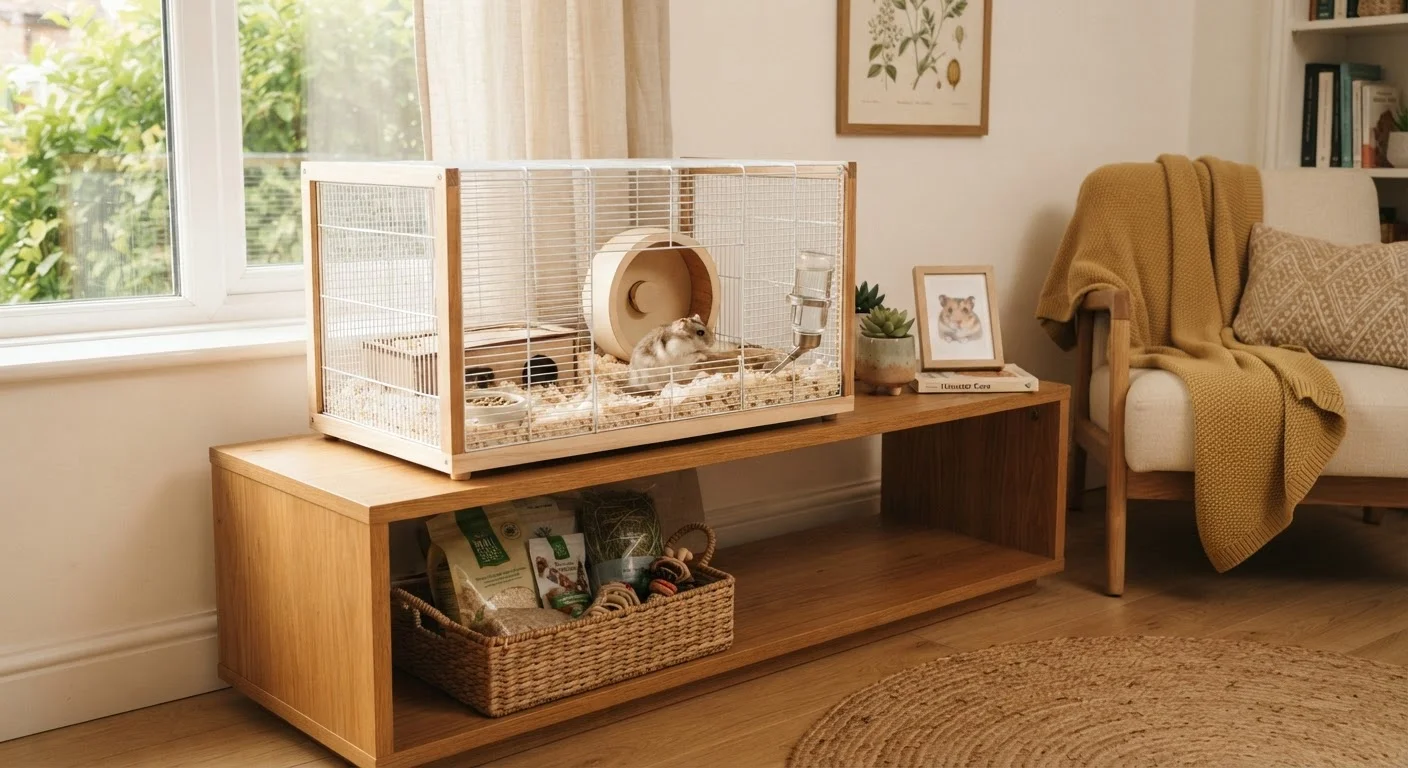
Setting up the habitat fully before your pet arrives reduces stress for both of you.
Small pets need species-specific supplies - one setup does not fit all.
Locating a vet experienced with small animals before day one is essential.
Hazard-proofing your home prevents common accidents during the first weeks.
Having a care routine planned in advance helps your pet settle faster.
Use this room-by-room checklist to confirm your home is ready—safe, stocked, and set up—before your new pet arrives.
Why Preparation Matters More Than You Think
Bringing a small pet home - whether that's a rabbit, hamster, guinea pig, gerbil, or bird - is exciting. But without the right setup in place beforehand, those first hours can be stressful for your new animal and confusing for you. Small pets are particularly sensitive to environmental changes, and arriving into an unready space can delay settling in by days.
This checklist walks you through everything to confirm, gather, and arrange before your pet crosses your threshold. Work through each section at least 48 hours ahead of pickup or delivery so there's time to fix anything you've missed. If you live in a rented or shared home, also check our guide to keeping small pets in rented homes before committing.
Required
Species-appropriate enclosure
Provides your pet with a safe, correctly sized living space from the moment they arrive.
Required
Transport carrier
Used to safely bring your pet home and for all future vet visits.
Required
Digital kitchen scale
Allows you to track your pet's weight weekly as an early indicator of health changes.
Required
Cable protector sleeves
Covers exposed electrical cords to prevent chewing injuries during any free-roaming time.
Optional
Species-specific care book or vet-approved care sheet
Gives you reliable, detailed reference information tailored to your pet's specific needs.
Your Preparation Checklist
Work through the groups below in order. Items marked must are non-negotiable for your pet's health and safety on day one. Should items are strongly recommended, and nice to have items will improve the experience once the basics are covered.
Habitat Setup
Purchase and fully assemble the appropriately sized enclosure for your species at least 24 hours before your pet arrives.Must
Add species-appropriate bedding, nesting material, or substrate to the correct depth - check your species' specific needs.Must
Install food dishes, a water bottle or bowl, and any hides or shelters inside the habitat before arrival.Must
Position the enclosure away from direct sunlight, cold drafts, air vents, and loud appliances.Must
Add enrichment items such as tunnels, chew toys, or climbing structures suited to your pet's natural behaviours.Should
Food and Supplies
Stock at least a one-week supply of the exact food your pet has been eating - sudden diet changes can cause digestive upset.Must
Confirm any fresh foods, hay, or pellets needed and have them on hand before day one.Must
Purchase a transport carrier sized correctly for your species, used both for the trip home and future vet visits.Must
Buy a small digital scale to monitor your pet's weight regularly - weight loss is often the first sign of illness in small animals.Should
Keep a basic first-aid reference sheet for your species on hand - ask your vet for a recommended source.Nice to have
Home Hazard-Proofing
Identify and secure or remove any toxic plants in rooms your pet may access - many common houseplants are harmful to small animals.Must
Check for exposed electrical cords and either cover them with cable protectors or relocate them out of reach.Must
Confirm that cleaning products, medications, and chemicals are stored in closed cabinets your pet cannot access.Must
If your pet will have any free-roaming time, identify and block small gaps behind furniture or appliances where they could become trapped.Should
Vet and Care Planning
Research and contact a veterinarian experienced with your specific species before your pet arrives.Must
Book an initial wellness check appointment for within the first two weeks of bringing your pet home.Must
Write out a daily care schedule covering feeding times, spot-cleaning, fresh water changes, and handling sessions.Should
Arrange a reliable backup carer - a friend, family member, or pet sitter familiar with small animals - for when you travel.Should
Research the typical lifespan and long-term care needs of your species so you can plan ahead financially and practically.Nice to have
Household Readiness
Brief all household members - including children - on how to interact with the new pet calmly and safely.Must
Establish a quiet room or low-traffic zone where your pet can decompress for the first 48 to 72 hours without excessive handling.Must
If you have existing pets, plan a safe, gradual introduction process and confirm your small pet's housing is fully secure from them.Must
Never Change Your Pet's Diet Immediately
Stress from rehoming already puts pressure on a small animal's digestive system. Switching food at the same time can cause serious gastrointestinal problems. Find out exactly what food your pet has been eating and continue with that for at least the first two weeks. Introduce any dietary changes gradually over seven to ten days only after your pet has settled.
Finding a Vet Before You Need One
Most new owners assume any vet will do. In practice, many general veterinary practices have limited experience treating rabbits, guinea pigs, birds, or reptiles - often called exotic or small animal species in veterinary terms. Call clinics in your area before your pet arrives and ask directly whether they routinely see your species.
Once you've identified a suitable vet, note their hours, emergency contact, and whether they require an initial wellness appointment. Knowing how to recognise when your small pet urgently needs care is equally important - our article on small pet health signs that need prompt attention covers the key behavioural and physical red flags to watch for.
Small Pets Hide Illness Until It's Serious
Many small animals - particularly rabbits, hamsters, and birds - instinctively mask signs of illness as a survival behaviour. By the time symptoms become obvious, a condition may already be advanced. This is why an established vet relationship and regular weight monitoring matter from day one, not just when something looks wrong.
If you're also considering a dog or cat in the future, we have dedicated beginner guidance in our dog care basics hub and cat care basics hub to help you plan ahead.
The content provided on our blog site traverses numerous categories, offering readers valuable and practical information. Readers can use the editorial team’s research and data to gain more insights into their topics of interest. However, they are requested not to treat the articles as conclusive. The website team cannot be held responsible for differences in data or inaccuracies found across other platforms. Please also note that the site might also miss out on various schemes and offers available that the readers may find more beneficial than the ones we cover.