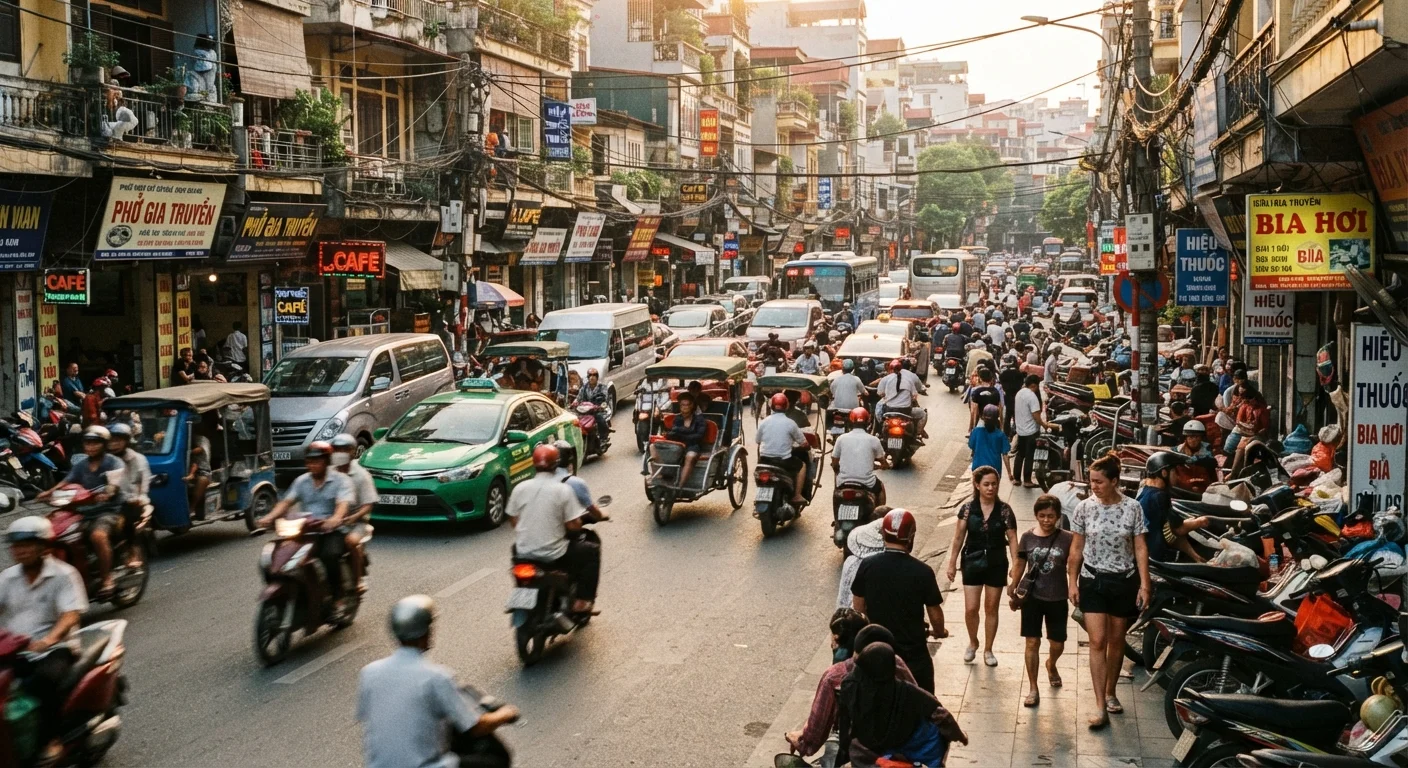
Why Road Safety Abroad Deserves Specific Preparation
Road traffic injuries are among the most common causes of serious harm to travelers. The risk isn't simply about reckless behavior - it's about the gap between what you expect and what you encounter. Driving habits, road infrastructure, signage systems, and legal rules vary considerably from country to country, and that gap catches even experienced drivers off guard.
This guide is designed for first-time international travelers and anyone planning to drive, ride, or navigate roads abroad for the first time. The steps below are practical and sequential: follow them before and during your trip to reduce uncertainty and build the kind of awareness that keeps you safe. For a broader look at travel safety habits that complement what's covered here, see practical travel safety habits.
What you will need
Before you read further, gather the items listed above and confirm which apply to your specific destination.
International Driving Permit (IDP)
Translates your home license into multiple languages, required by law in many countries for foreign drivers.
Offline maps app
Provides navigation without relying on mobile data, useful in areas with poor connectivity.
Travel insurance policy with driving coverage
Covers liability, medical costs, and vehicle damage when driving or riding abroad.
Local SIM card or international data plan
Keeps you connected for real-time navigation and emergency contacts while on the road.
Helmet (when renting a motorcycle or scooter)
Essential protective gear; bring or verify a well-fitting helmet is available at the rental point.
Step-by-Step: Getting Around Safely on Foreign Roads
Verify Driving Requirements Before You Go
Road rules, license requirements, and insurance obligations vary by country and can change without notice. Always check with your destination country's official transport authority and your own government's travel advisory before driving abroad. Driving without the correct documentation can result in fines, vehicle impoundment, or legal liability in the event of an accident.
Research road rules and driving culture before departure
Start by finding out which side of the road your destination country drives on. Countries including the UK, Australia, Japan, India, and many others drive on the left - the opposite of the US and most of Europe. This single difference affects every aspect of driving: which lane you use, how you turn, and where you look first at intersections.
Beyond left-or-right, look up specific local rules: speed limits (and whether they're posted in km/h or mph), rules around roundabouts, mobile phone use while driving, blood alcohol limits, and horn usage norms. Some countries treat these very differently from what you may be used to. The road markings guide is useful background for understanding visual cues you may encounter.
Obtain an International Driving Permit if required
An International Driving Permit (IDP) is an official document that translates your home driver's license into multiple languages. Many countries require it for foreign drivers, and some rental agencies won't hand over keys without one. IDPs are typically issued by motoring associations in your home country and are valid alongside - not instead of - your regular license.
Check whether your specific destination requires one, and apply well before your trip since processing times vary. Carry both your IDP and home license together at all times when driving abroad.
Confirm your insurance covers driving abroad
Your domestic car insurance almost certainly does not cover you abroad. Before renting a vehicle or riding a scooter, confirm that your travel insurance policy explicitly covers driving or riding incidents, including third-party liability. If renting, review what the rental company's coverage includes and what it excludes - damage waivers, for example, often have significant exceptions.
For motorcycles and scooters in particular, many standard travel policies exclude these entirely unless you hold a valid motorcycle license and select specific coverage. Verify this in writing before you ride.
Familiarize yourself with local road signs and signals
Even if you can read the local language, road signs may use shapes, colors, or symbols you're not familiar with. Many countries follow international conventions loosely but adapt them - a stop sign may look familiar, but warning signs or speed indicators may not. Review a visual guide to your destination's road signage before you travel.
Pay particular attention to priority road signs, which indicate who has right of way. Understanding these prevents one of the most common causes of intersection incidents abroad. For a grounding in right-of-way logic, see the right-of-way explainer - the principles apply internationally even if local implementation varies.
Choose the right transport mode for the environment
Renting a car is not always the safest or most practical option. In dense urban areas with heavy traffic and unfamiliar one-way systems, using licensed taxis, official ride-hailing apps, or public transport is often both safer and easier. In rural or mountainous regions, road conditions - unpaved surfaces, lack of guardrails, livestock crossings - may require driving skills and a vehicle type you hadn't planned for.
If you're considering a scooter or motorbike rental, assess your actual experience level honestly. Traffic patterns in some regions involve a fluid, high-density flow that experienced local riders navigate intuitively - but which can be disorienting and genuinely dangerous for visitors. The urban vs. rural driving comparison outlines how different environments demand different skills.
Stay alert and give yourself extra buffer on the road
Unfamiliar roads demand more mental energy than routes you know well. Keep following distances longer than you would at home, drive below the posted speed limit until you feel confident, and avoid driving at night in areas where road quality, lighting, or pedestrian behavior makes it riskier. If you feel uncertain or fatigued, pull over safely and rest.
Situational awareness matters beyond the vehicle, too. When walking near traffic, be conscious of which direction vehicles approach from - especially in left-hand-traffic countries where pedestrians instinctively look the wrong way. For broader guidance on staying aware in unfamiliar environments, see reading your surroundings as a traveler.
Give Yourself Extra Adjustment Time
If you've just arrived after a long flight, wait at least 24 hours before driving in an unfamiliar country. Jet lag impairs reaction time and concentration - two things you need most when navigating unfamiliar roads. Spend your first day using public transport or taxis while you get your bearings.
Don't Rely Solely on GPS Navigation
GPS apps may not reflect current road closures, one-way changes, or local traffic laws. In some regions, maps are outdated or roads are unmarked. Always cross-reference with local signage and, when in doubt, pull over safely and ask a local or check an official source.
Once you're on the road, the most important mindset shift is accepting that you are the learner in this environment, not the expert. Local drivers know the flow, the unspoken rules, and the road quirks. Give yourself permission to be cautious, move slowly, and ask for help when you need it. The beginner's travel safety guide covers the broader habits that support this mindset across your whole trip.