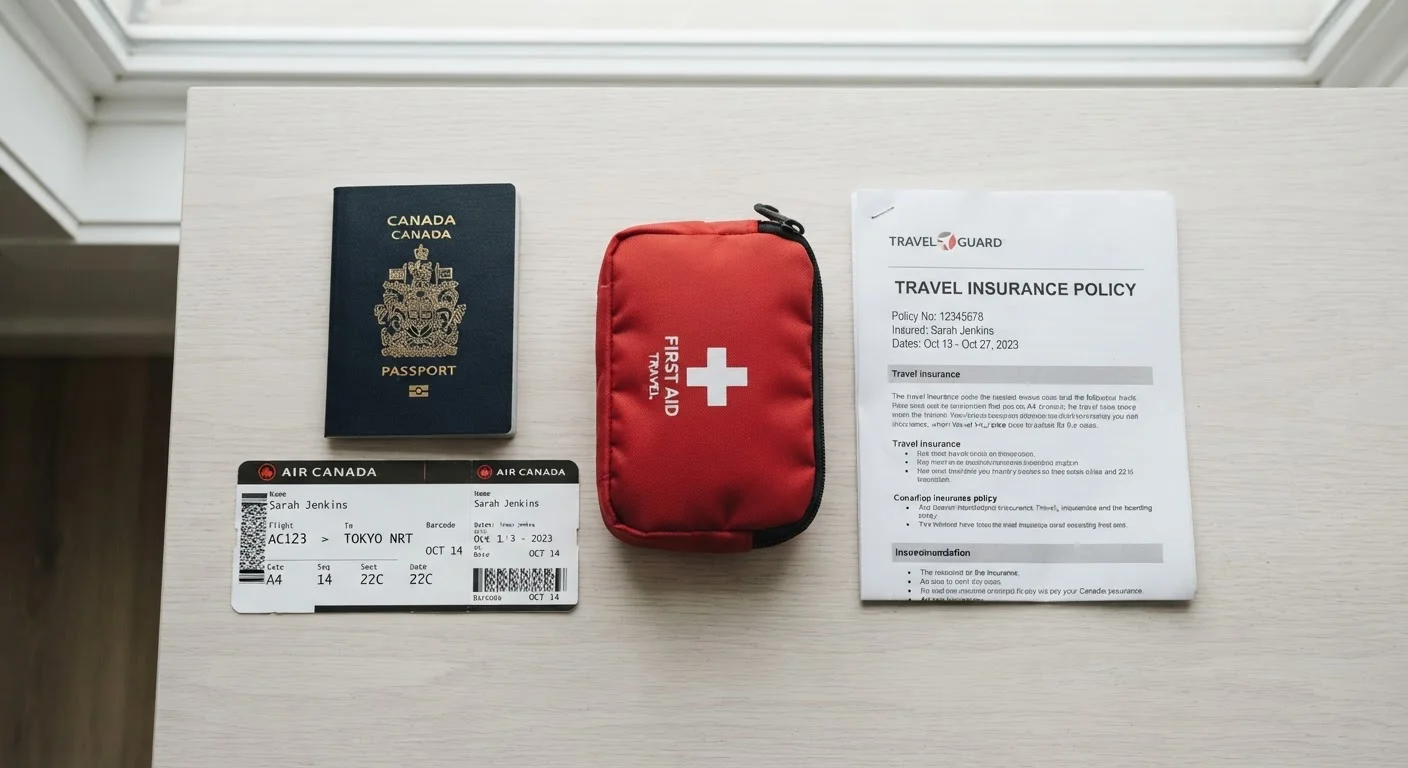
What Travel Insurance Actually Does
At its core, travel insurance transfers certain financial risks from you to an insurer. If something goes wrong - a missed connection, a broken leg overseas, a stolen camera - a policy can reimburse qualifying costs that would otherwise come out of your pocket.
What it cannot do is guarantee a smooth trip or cover every possible setback. Policies are contracts with specific definitions, limits, and exclusions. Understanding that distinction upfront prevents the frustration of expecting coverage that was never there.
For a broader look at how to stay protected on the road, see our beginner's travel safety guide, which covers the core habits that complement good insurance coverage.
$50,000+
Typical cost of international medical evacuation
Medical evacuation from remote or overseas locations can cost $50,000 to $100,000 or more depending on distance and condition, according to general industry estimates published by travel health organizations.
~40%
U.S. travelers who purchase travel insurance
Various travel industry surveys suggest roughly one-third to half of American international travelers purchase some form of travel insurance, though coverage awareness remains uneven.
The Main Types of Coverage
Most comprehensive travel insurance policies bundle several coverage types together. Here are the categories first-time travelers most commonly encounter:
- Trip Cancellation: Reimburses prepaid, non-refundable costs if you cancel for a covered reason - typically illness, injury, a death in the family, or a natural disaster affecting your destination.
- Trip Interruption: Covers the cost of returning home early or resuming your trip if it is cut short due to a covered event.
- Emergency Medical: Pays for hospital treatment, physician fees, and prescriptions when you need urgent care abroad. This is especially important because many domestic health insurance plans provide little or no coverage outside the U.S.
- Medical Evacuation: Covers the cost of transporting you to the nearest adequate medical facility or back home if your condition warrants it. These costs can run into the tens of thousands of dollars without coverage.
- Baggage and Personal Effects: Reimburses you if luggage is lost, stolen, or damaged - typically subject to per-item limits and depreciation rules.
- Travel Delay: Provides a daily allowance for meals and accommodation if your trip is delayed beyond a threshold number of hours for a covered reason.
Policies differ in what they include and how much they pay. A policy summary page will list coverage amounts; the full policy document will define exactly what qualifies as a covered event.
Buy Early for the Widest Coverage
Purchasing a policy shortly after making your first trip deposit - rather than right before departure - typically gives you access to pre-existing condition waivers and protects against events that become foreseeable later. Many insurers require purchase within 10-21 days of your initial deposit to qualify for time-sensitive benefits. Check the specific window required by any policy you're considering.
Common Exclusions to Know Before You Buy
Exclusions are where many travelers are surprised at claim time. The following are among the most frequently cited reasons insurers deny claims:
- Pre-existing medical conditions - Unless a waiver is purchased promptly after booking, conditions you already have are typically excluded.
- Known or foreseeable events - If a storm is already named, a strike already announced, or a conflict already reported when you purchase the policy, related losses are generally not covered.
- High-risk activities - Adventure sports such as skydiving, bungee jumping, or backcountry skiing are often excluded unless you add a specific rider.
- Government travel advisories - Traveling to a destination already under a "Do Not Travel" advisory from the U.S. State Department can void relevant coverage.
- Alcohol- or drug-related incidents - Losses connected to intoxication are routinely excluded.
- Change of mind - Deciding you simply don't want to go is not a covered cancellation reason under standard policies.
The detailed breakdown of what travel insurance covers and where it falls short goes deeper on these exclusions if you want more specifics.
Questions to Ask Before You Choose a Policy
Rather than focusing on price alone, consider what your specific trip actually requires. A weekend domestic road trip carries different risks than a three-week international itinerary.
Work through these questions before committing:
- Does this trip involve non-refundable costs significant enough to protect?
- Will my existing health insurance cover me in this country? (Check with your insurer directly.)
- Do I have any pre-existing conditions that need a waiver?
- Am I planning any activities that may count as high-risk?
- What is the policy's medical evacuation limit, and is it sufficient for my destination?
- Does the policy include 24-hour emergency assistance with a live contact line?
Once you've answered these questions, you'll have a clearer sense of the minimum coverage your trip needs - and which optional riders, like CFAR or adventure sports coverage, are worth adding. A well-planned trip itinerary also helps you identify what's prepaid and non-refundable; see our guide to building a travel itinerary for help organizing those details.
For destinations involving health considerations outside the norm, review the health risks travelers often overlook before an international trip - some of those scenarios directly affect what medical coverage you may need.
This article is for general informational purposes only and does not constitute insurance, financial, or legal advice. Policy terms, coverage limits, and exclusions vary significantly between insurers. Always read the full policy document and verify coverage details directly with a licensed insurance provider or official sources before purchasing.