Step 1: Set Your Budget Before You Browse
The single most important thing you can do before looking at any car is decide how much you can genuinely afford. This means more than the sticker price. Owning a car involves ongoing costs: insurance, fuel, routine servicing, road tax, and unexpected repairs.
A useful starting point is the budgeting basics hub, which walks through how to track your income and outgoings before committing to a large purchase. Once you have that picture, you can work out a realistic monthly ceiling.
For a deeper dive into purchase-specific costs, setting a realistic budget for your first car covers exactly how to build a complete cost estimate - not just the price you pay on day one.
Include All Ownership Costs in Your Budget
When calculating affordability, add up insurance, fuel, annual servicing, road tax, and an emergency repair fund alongside the purchase price or monthly finance payment. Many first-time buyers focus only on the headline price and are caught off guard by these recurring costs within the first few months of ownership.
Step 2: Decide What Kind of Car You Need
Before browsing listings, think practically about how you will actually use the car. A city commuter has very different needs from someone driving long distances on motorways or ferrying a growing family.
- Body style: Hatchbacks are versatile for urban use; SUVs offer more cabin space; estate cars suit those who carry cargo regularly.
- Fuel type: Petrol and diesel are familiar choices; hybrids and fully electric vehicles (EVs) have lower running costs but may require charging infrastructure at home or nearby.
- New vs. used: A new car carries a manufacturer warranty but depreciates (loses value) quickly in the first year. A used car costs less upfront but needs more careful vetting.
Write down your three or four non-negotiable requirements before you start searching. This prevents you from being swayed by features that look impressive but do not actually match your lifestyle.
Step 3: Research and Shortlist Your Options
Once you know your budget and needs, narrow your search to two or three vehicle types. Use consumer review sites, motoring publications, and owner forums to understand real-world reliability, common faults, and ownership costs for each option.
Pay attention to:
- Insurance group: Cars are placed in insurance groups (1-50 in the UK); lower groups typically cost less to insure. Get indicative quotes before committing to a specific model.
- Parts availability and service costs: Some vehicles are cheap to buy but expensive to maintain because parts are scarce or specialist labour is required.
- Fuel economy figures: Official figures are measured under controlled conditions; real-world economy is often lower. Owner reviews give a more honest picture.
35%
Buyers who regret not researching insurance costs first
According to surveys by motoring consumer groups, a significant proportion of first-time buyers are surprised by insurance costs they had not anticipated before purchase.
1 in 3
Used cars with an undisclosed history issue
Industry estimates suggest roughly one in three used cars checked through history services reveals at least one issue the seller did not disclose, such as outstanding finance or prior damage.
It is also worth reading the truth behind common car-buying myths to avoid making decisions based on widely repeated misinformation.
Step 4: Take a Test Drive
A test drive is your opportunity to assess whether a car actually suits you - not just whether it looks right on paper. Many first-time buyers treat it as a formality; experienced buyers treat it as an investigation.
During a test drive, pay attention to:
- Visibility from the driver's seat - can you see clearly in all mirrors?
- Comfort of the seat and whether controls fall naturally to hand
- How the car responds when accelerating, braking, and cornering
- Any unusual noises (knocking, grinding, rattling) that should not be there
- How easy it is to park, especially if you'll use the car in tight urban spaces
For a full checklist of what to look for - and what beginners commonly miss - see things first-time buyers wish they'd known about test drives.
Always drive a car on the type of roads you use most - if you mainly commute on motorways, include a stretch of faster-moving road in your test route, not just quiet side streets.
A car's noise, vibration, and engine performance at speed can be very different from how it feels around a car park, and those differences matter for daily comfort.
Request to see the car cold - before the engine has been warmed up - so you can observe how it starts from rest and listen for any cold-start noises that might disappear once it is running.
Sellers sometimes warm an engine before a viewing to mask starting issues or rough idling that would otherwise be immediately apparent.
Step 5: Understand Your Financing Options
Unless you are paying in full with cash, you will need to choose how to finance the purchase. The most common options are:
- Personal loan
- You borrow a fixed sum from a bank or lender, buy the car outright, and repay the loan in monthly instalments. You own the car from day one.
- Hire Purchase (HP)
- You pay a deposit and then monthly instalments directly tied to the car. Ownership transfers to you once all payments are complete.
- Personal Contract Purchase (PCP)
- Lower monthly payments than HP because you are not paying off the full value of the car. At the end of the agreement you can pay a final lump sum to keep the car, hand it back, or use any equity as a deposit on another vehicle.
Always compare the total amount repayable - not just the monthly figure - to understand the true cost. Our car finance jargon guide defines every term you will encounter in a finance agreement, including APR, balloon payments, and GAP insurance.
Compare Total Cost, Not Just Monthly Payments
A low monthly payment can disguise a very expensive finance agreement if the term is long or the interest rate is high. Always ask for the total amount repayable over the full agreement before signing. A difference of just a few percentage points in APR (Annual Percentage Rate) can add thousands of dollars or pounds to the overall cost of the vehicle.
Step 6: Inspect the Vehicle and Check Its History
For used vehicles, a history check and physical inspection are non-negotiable steps. A vehicle history report (available through services such as a DVLA check or specialist providers) can reveal:
- Whether the car has outstanding finance - meaning someone else still technically owns it
- Whether it has ever been written off following an accident
- Whether the recorded mileage is consistent across its history (mileage discrepancies may indicate tampering)
- Whether it has been reported stolen
If you are not confident assessing a car's mechanical condition yourself, consider paying a qualified mechanic to carry out a pre-purchase inspection. This typically costs a modest fee and can save you from a much larger expense later.
Never Skip a History Check on a Used Car
Buying a used car with outstanding finance means the lender can legally reclaim the vehicle - even from you as the new owner. A history check is the only reliable way to confirm the car is clear before money changes hands. Do not rely solely on the seller's word, however convincing they appear.
Once you are satisfied, ask the seller or dealer for all service records, both sets of keys, and the V5C logbook (the official registration document in the UK).
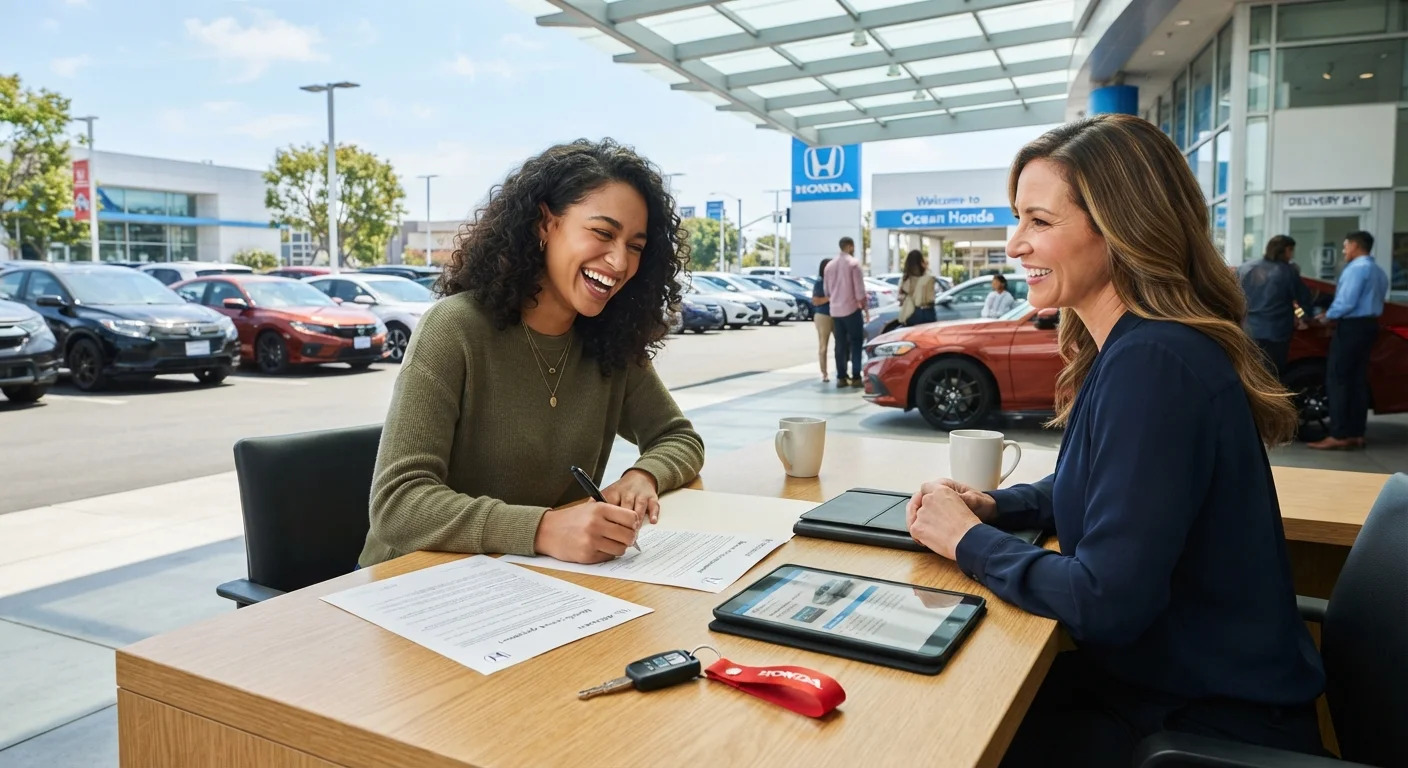
Step 7: Negotiate, Sign, and Drive Away
Negotiation is a normal part of the car-buying process. Research the fair market value for the specific vehicle before entering any discussion. If you are buying from a dealer, extras such as floor mats, a full tank of fuel, or an extended warranty period are sometimes negotiable even when the price itself is not.
Before you sign anything:
- Read the entire agreement - do not feel pressured to rush.
- Confirm the total amount you will pay over the life of any finance deal.
- Check that any verbal promises (e.g. repairs to be completed before handover) are written into the contract.
- Ensure you have valid insurance in place before you drive the car away - driving without insurance is illegal.
Once the paperwork is signed and the keys are in your hand, the process is complete. From here, keeping your new car in good condition is the next priority - our car maintenance basics hub covers the essential upkeep every new owner should know.
This article provides general educational information about the car-buying process and does not constitute financial or legal advice. For decisions involving significant financial commitments, consider consulting a qualified financial adviser.