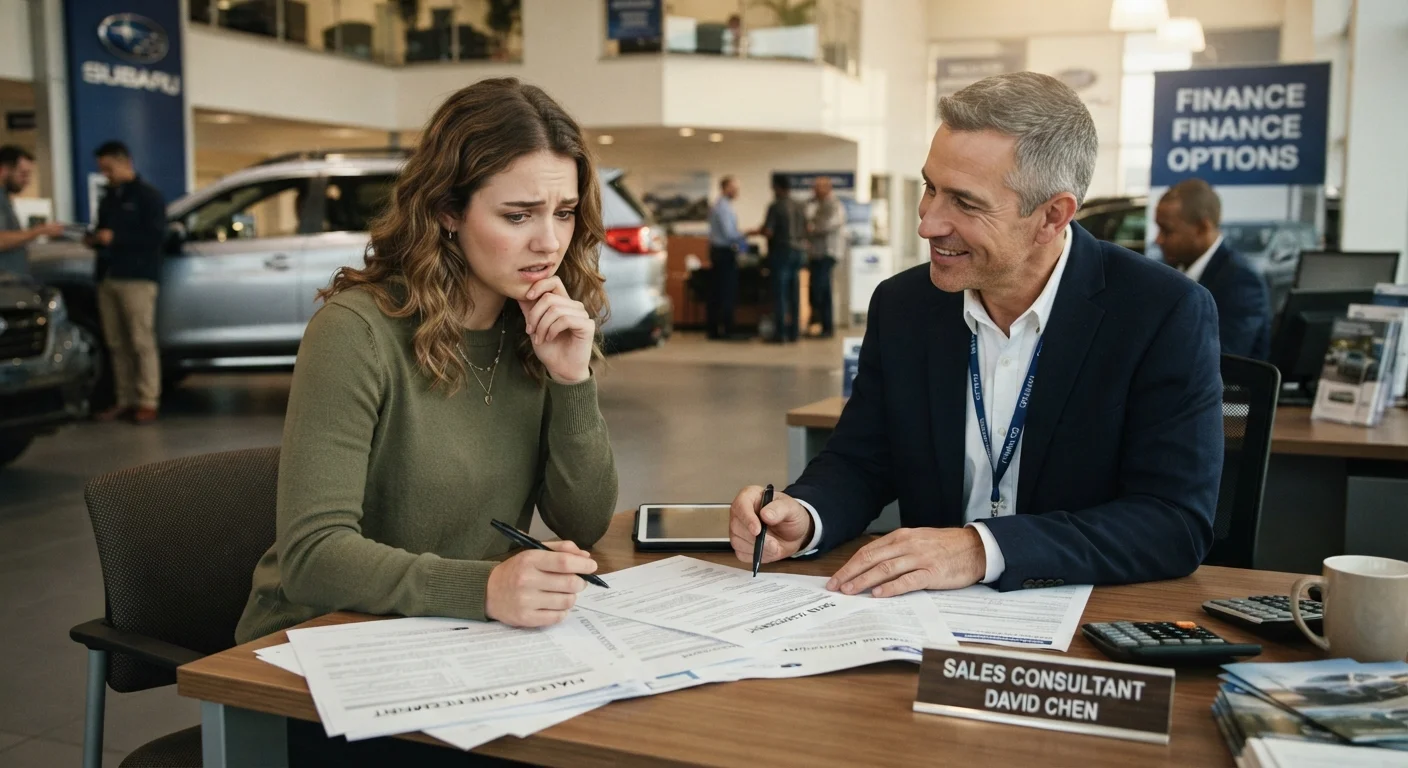
Why Overpaying Is So Common Among First-Time Buyers
Buying your first car is genuinely exciting - and that excitement, combined with unfamiliarity with the process, creates conditions where overpaying becomes almost predictable. It's rarely one dramatic mistake. Instead, it's a pattern of smaller missteps that stack up quietly, often invisible to the buyer until long after they've driven off the lot.
Understanding why these patterns exist is the first step to avoiding them. Most first-time buyers aren't careless - they simply haven't had a chance to learn how the process works, what the pressure points are, or what information they need before they walk through the door. Before you start shopping, it's worth reading our guide to setting a realistic budget so you have a solid financial foundation to work from.
Focusing on monthly payment instead of total vehicle price.
Why it happens: Monthly payments feel manageable and relatable, while the total price can feel abstract. Dealerships often steer conversations toward monthly figures because it's easier to obscure markups within a longer loan term.
Falling in love with a specific car before negotiating.
Why it happens: After test-driving a vehicle and imagining yourself driving it, walking away becomes emotionally difficult. Sellers can sense this attachment and have little incentive to reduce price.
Skipping independent research on market pricing.
Why it happens: First-time buyers often trust that a sticker price reflects a fair market value, not realizing it's a starting point for negotiation rather than a fixed figure.
Agreeing to dealer financing without comparing alternatives.
Why it happens: Arranging financing at the dealership feels convenient, and buyers often assume the rate they're offered is standard. In practice, there may be room for a better rate elsewhere.
Accepting bundled add-ons without reviewing them individually.
Why it happens: By the time buyers reach the finance office, decision fatigue has set in. Add-ons are presented quickly and often framed as standard inclusions rather than optional extras.
How to Shift the Dynamic in Your Favor
The good news is that awareness itself is a powerful tool. Once you understand the patterns above, you can take deliberate steps to counter them before the pressure is on.
~$1,000+
Average amount overpaid by unprepared buyers
Consumer advocacy research consistently suggests that buyers who don't research pricing ahead of time tend to pay meaningfully more than those who arrive with market data.
3 in 4
First-time buyers who skip pre-approval
Industry surveys indicate that a large majority of first-time car buyers arrange financing at the dealership rather than securing pre-approval beforehand, limiting their ability to compare rates.
Start by researching the market value of any vehicle you're seriously considering using publicly available pricing data and consumer resources. Go in knowing what a reasonable price looks like - not just what you hope to pay. Get pre-approved for a loan through a bank or credit union before visiting a dealership, so you have a financing baseline and aren't reliant on whatever rate a finance manager offers in the moment.
It also helps to separate each element of the transaction: the vehicle price, your trade-in value, and your financing should all be negotiated as independent figures. Bundling them together makes it much harder to track where money is moving. And when it comes to add-ons presented at signing - extended warranties, paint protection, tire coverage - ask for a written list and take time to evaluate each one on its own merits rather than agreeing on the spot.
Finally, don't underestimate the value of a thorough test drive. Most buyers spend more time researching a $50 appliance than they do evaluating a vehicle they'll rely on for years. Our article on what first-time buyers wish they'd known about test drives covers what to actually look for beyond the basics.
Watch for Last-Minute Add-Ons at Signing
The finance office is where many buyers unknowingly add thousands of dollars to their purchase. Products like extended warranties, gap insurance, and protection packages may have value - but only if you've had time to evaluate them independently. Never feel pressured to decide on the spot. Ask for the full list in writing, take it home if needed, and confirm whether any of these products are already offered by your insurer or lender at lower cost.
The car-buying process rewards preparation far more than enthusiasm. If something about an offer doesn't add up - or if you feel rushed - it's always reasonable to step back, ask questions, or simply walk away and return when you're ready. You can also check out the truth behind common car-buying myths to clear up any assumptions that might be working against you.