Where the Labels Come From
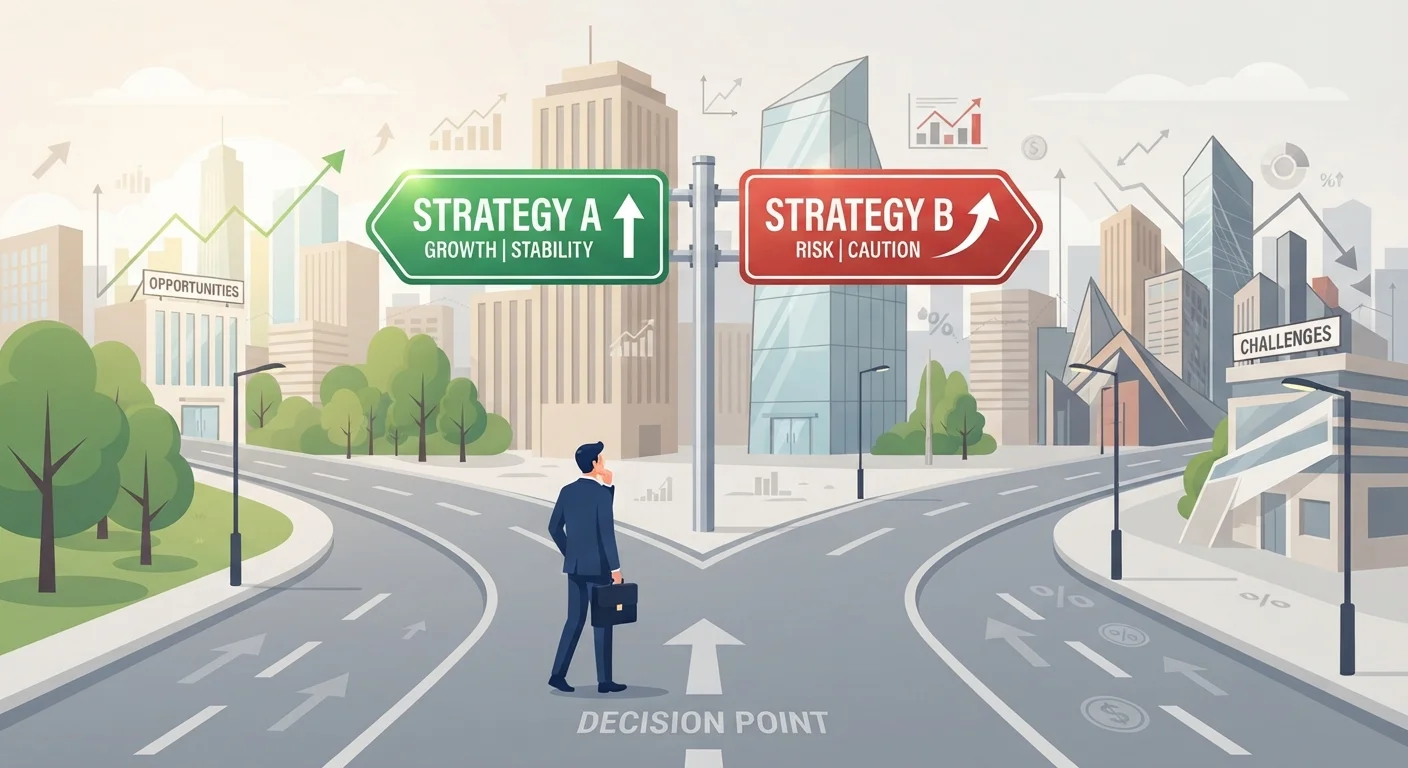
The good debt/bad debt framework is a popular shorthand that personal finance educators have used for decades to help people quickly assess borrowing decisions. The core idea is straightforward: if debt funds something that grows in value or earns income, it is labeled good; if it funds something that loses value and carries a high cost, it is labeled bad.
This framing gained traction because it gave first-time borrowers a mental checklist. Mortgage for a home? Good. Credit card balance for a vacation you cannot afford? Bad. The simplicity made it memorable and teachable.
But the labels were never meant to be the final word. They are a starting point - a way to prompt questions - not a rulebook that reliably sorts every loan into the right bucket. Understanding this distinction matters, because many people encounter situations where a debt does not fit neatly into either category. For broader context on how consumer debt works overall, see our complete guide to consumer debt.
What Makes Debt 'Good' in Theory
A debt is typically called good when it meets at least some of these conditions: it carries a relatively low interest rate, it finances an asset or opportunity that has lasting or growing value, and the repayment fits within a manageable budget.
- Mortgages are the most cited example. Real estate can appreciate over time, the interest rates are generally lower than other consumer borrowing, and homeownership can build equity - a form of savings.
- Student loans often appear in this column because higher education is linked to higher lifetime earnings on average. However, this depends heavily on the field of study, the institution, and how much is borrowed.
- Small business loans may qualify if the borrowed capital funds operations that generate revenue.
Notice that none of these examples guarantee a positive outcome. They represent potential, not certainty. A mortgage on a home purchased at the top of a market or with a payment that strains your monthly budget does not automatically become good debt just because it is a mortgage.
~$12T
Total U.S. mortgage debt outstanding
According to Federal Reserve consumer credit data, mortgage debt represents the largest single category of household debt in the United States.
20%+
Average credit card APR in recent years
The Consumer Financial Protection Bureau has noted that average credit card interest rates have risen significantly, making revolving balances increasingly costly for households carrying them month to month.
$1.7T+
Total U.S. student loan debt
Federal Reserve data consistently places student loan debt as the second-largest category of non-housing consumer debt in the United States.
What Makes Debt 'Bad' in Theory
Bad debt is most commonly characterized by high interest rates and purchases that provide no lasting financial return. The clearest example is carrying a revolving balance on a high-interest credit card to buy everyday items or discretionary goods.
The problem is mathematical: if a purchase loses value immediately and the interest rate is well above inflation, you end up paying significantly more than the original price while getting nothing back. Payday loans - short-term loans with extremely high effective interest rates - are often held up as the most extreme form of bad debt.
Auto loans sit in an awkward middle ground. A vehicle is a depreciating asset, which places it in "bad" territory by strict definitions. Yet for many people, a car is a practical necessity for employment. The debt itself is not the problem; what matters is the interest rate, the loan term, and whether the payment is genuinely affordable.
Understanding whether debt is secured or unsecured also affects how lenders structure terms and what happens if you cannot repay. See our explainer on secured vs. unsecured credit for a closer look at those differences.
Why the Framework Has Limits
The good/bad distinction breaks down in several predictable ways that matter for real-world decisions.
Context changes everything. A student loan for a field with strong job prospects at a moderate interest rate behaves very differently from the same loan amount for a field with limited employment opportunities. Same label, very different financial outcome.
Affordability overrides category. Even debt that funds a genuinely valuable asset becomes harmful if the monthly payments make it impossible to cover basic expenses, build an emergency fund, or avoid other high-interest borrowing. The Consumer Financial Protection Bureau (CFPB) consistently emphasizes that total debt load relative to income is a key factor in financial stability.
Interest rate is often the decisive factor. A low-rate personal loan used for a depreciating purchase may cost far less over time than a high-rate loan for an investment. Focusing on the label while ignoring the rate misses the point.
Run the Numbers Before You Borrow
Before taking on any debt, calculate the total amount you will repay - not just the monthly payment. Multiply the monthly payment by the number of payments to see the full cost, then compare that to the value of what you are financing. This single exercise often reveals whether the borrowing makes practical sense, regardless of what label the debt might carry.
The good/bad framework is most useful as a prompt to ask better questions - not as a substitute for actually running the numbers. For guidance on how spending decisions intersect with debt choices, our look at needs vs. wants can help you think through priorities when money is tight.
A More Practical Way to Evaluate Debt
Rather than assigning a debt to a good or bad column, a more useful approach involves asking a set of concrete questions before borrowing:
- What is the interest rate, and what will I actually pay in total? Use the annual percentage rate (APR) to compare loans accurately.
- Is the monthly payment within my budget without cutting essential expenses? A payment that forces you to skip savings or fall behind elsewhere is a warning sign.
- Will this debt fund something that grows in value, generates income, or provides lasting necessity? This is where the good/bad framework adds genuine value - as one question among several.
- What happens if my income changes? Job loss or unexpected expenses can make previously manageable debt unmanageable.
These questions will not eliminate risk - borrowing always carries some - but they shift the focus from labels to specifics. If you are weighing debt repayment against building savings, our article on saving vs. paying off debt walks through both sides of that decision. For long-term habits that help keep debt under control, see our guide on keeping debt manageable.
This article is for general informational and educational purposes only and does not constitute personalized financial, legal, or investment advice. For decisions specific to your situation, consult a qualified, licensed financial professional.