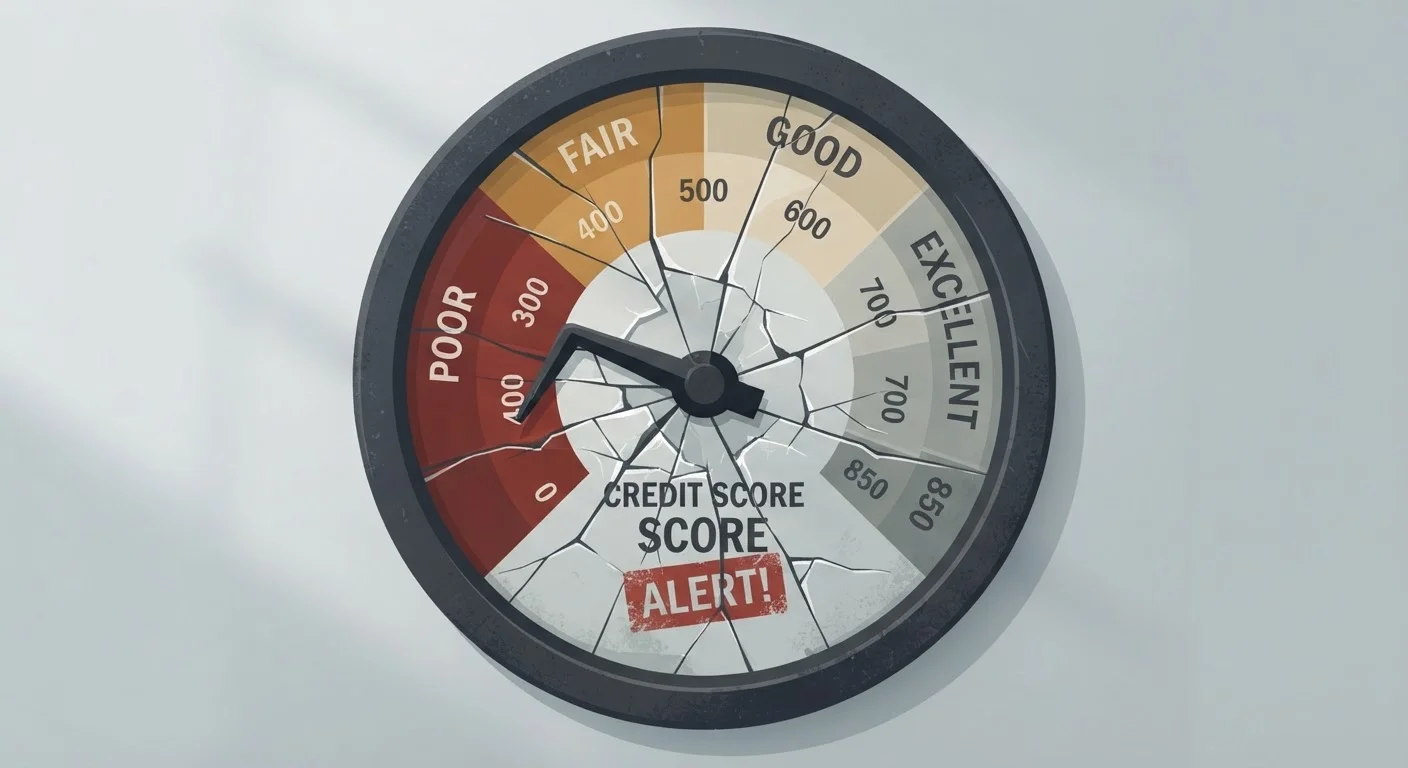
Why Credit Damage Often Goes Unnoticed
Most people assume their credit score only drops after something dramatic - a missed mortgage payment or a debt sent to collections. In reality, credit scores erode gradually through patterns that feel harmless or even responsible in the moment. Understanding what actually goes into your credit score - payment history, credit utilization, length of history, credit mix, and new inquiries - makes it easier to see why small habits carry outsized consequences.
This article is general financial education, not personalized advice. For guidance specific to your situation, consider speaking with a nonprofit credit counselor or a licensed financial professional.
Paying the minimum balance every month and treating it as 'on time.'
Why it happens: Minimum payments do prevent a late-payment mark, so they feel like responsible behavior. But high revolving balances quietly push credit utilization - the ratio of debt to available credit - toward score-damaging territory.
Closing credit cards after paying them off.
Why it happens: Zeroing out a card feels like finishing a job, and keeping an unused account open can feel pointless. However, closing it removes available credit from your total limit and can shorten the average age of your accounts - both of which reduce your score.
Applying for several new credit accounts within a short time frame.
Why it happens: Shopping for financing - whether for a car, apartment, or new card - often triggers multiple applications. Each generates a hard inquiry (a lender's formal review of your credit file), which temporarily lowers your score.
Letting a single bill go 30 days past due - especially a small one.
Why it happens: A $40 utility bill or gym membership feels too minor to matter. But once a payment is 30 days late and reported to the credit bureaus, it becomes one of the most damaging entries on a credit report.
Ignoring your credit report until something goes wrong.
Why it happens: Checking credit feels like an administrative chore with no immediate payoff, so most people skip it until they're denied for a loan or see an unexpected score drop.
How to Rebuild After Recognizing the Pattern
Identifying a damaging habit is step one; stopping it consistently is step two. Credit scores respond slowly - negative marks can linger for up to seven years, but positive behavior accumulates too. The most effective recovery strategy is straightforward: pay every bill on time, reduce revolving balances steadily, and resist opening accounts you don't need.
35%
Weight of payment history in FICO score
According to FICO's publicly published scoring model, payment history is the single largest factor in your credit score calculation.
30%
Credit utilization threshold commonly cited
Consumer finance guidance from the CFPB and major credit bureaus consistently cites staying below 30% utilization as a benchmark for protecting your score.
7 years
How long most negative marks stay on file
Under the Fair Credit Reporting Act (FCRA), most negative items - including late payments - can remain on a credit report for up to seven years.
If high balances are the core problem, a solid personal budget can reveal exactly where cash flow is going and free up money for debt paydown. For longer-term stability, building even a small emergency cushion - covered in our saving and emergency funds guide - reduces the chance you'll need to lean on credit cards during unexpected expenses, which is often what pushes utilization into damaging territory.
One habit worth examining separately: the common belief that carrying a small balance helps your score. It doesn't - see why that idea is a myth worth busting. Once these patterns are under control, the next step is keeping debt manageable over the long term so the score you rebuild stays protected.
Don't Assume No News Means No Problem
Credit errors and fraudulent accounts can appear on your report without any notification. An unfamiliar collection account or a wrongly reported late payment can drag your score down for years before you notice. Make reviewing your credit reports a regular habit rather than a reactive one - catching a problem early is far less costly than dealing with the downstream effects.
This article is for informational and educational purposes only. It does not constitute personalized financial, legal, or credit advice. Consult a qualified financial professional before making decisions about your credit or debt situation.