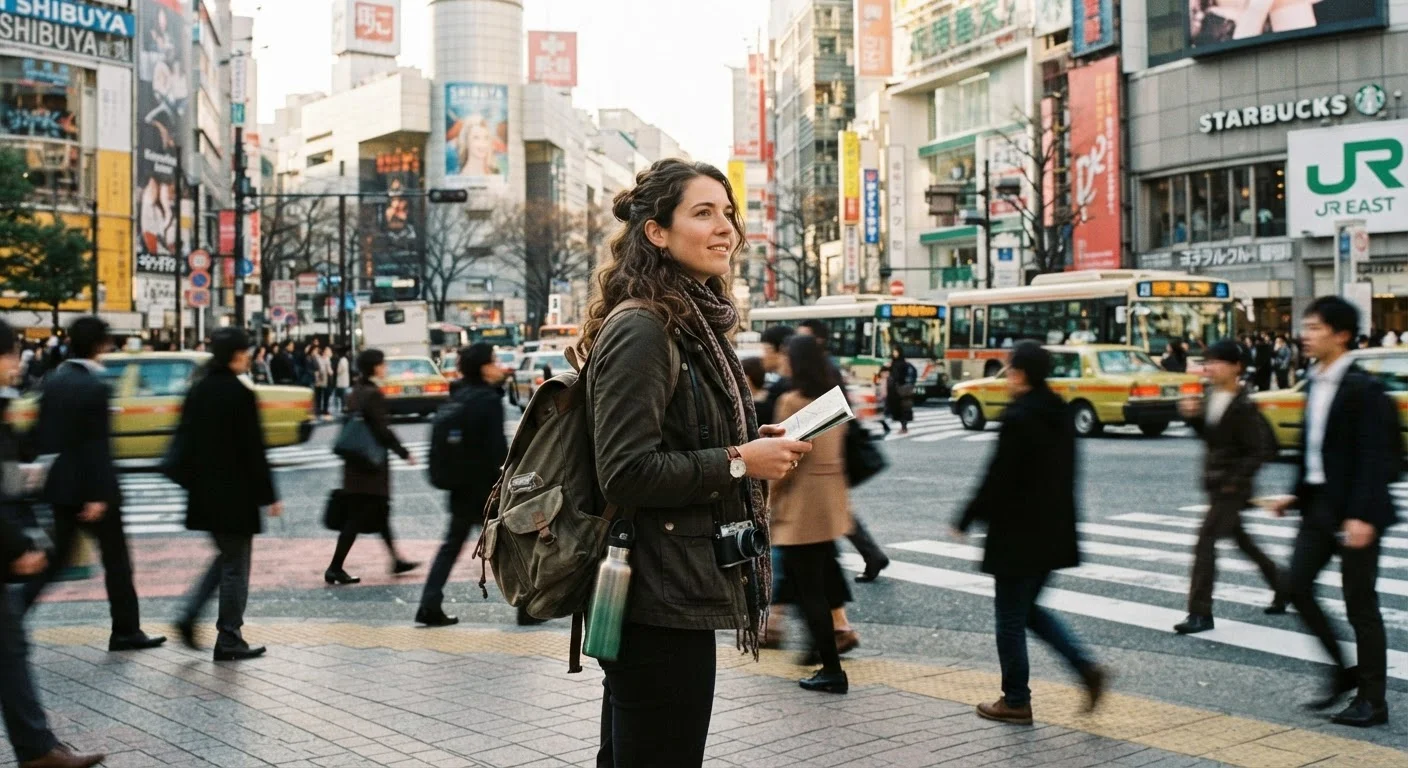
Why Reading Your Environment Matters More Than Memorizing Rules
No safety checklist covers every city, neighborhood, or moment. What protects you most reliably in an unfamiliar urban environment is the ability to read what's happening around you and respond calmly - a skill often called situational awareness. It simply means paying enough attention to notice when something feels off before it becomes a problem.
For first-time travelers, this can sound intimidating, but it's really about building a few consistent habits rather than staying on edge. The goal isn't paranoia - it's presence. See our foundational travel safety guide for the broader framework this fits into.
“The most dangerous thing a traveler can do is switch off their attention - not because the world is hostile, but because awareness is what lets you enjoy it confidently.”
— Gavin de Becker, Security specialist and author of 'The Gift of Fear'
Before You Arrive: Research That Actually Helps
Effective preparation takes less time than most travelers expect. A focused 20-30 minutes of research can meaningfully shape how you navigate a new city.
Pair your street-level awareness with strong digital habits on the road - stolen devices and compromised accounts are urban risks too.
On the Ground: Habits That Reduce Risk Without Ruining the Experience
Once you're in a city, a handful of consistent behaviors do most of the protective work. None of them require sacrificing spontaneity or enjoyment.
If you're also navigating local transport or taxis, road safety abroad covers how to assess vehicles and drivers before you commit to a ride.
What to Do When Something Feels Wrong
Trusting your instincts is not irrational - it's a reasonable response to subtle cues your brain has registered before your conscious mind catches up. If a situation or location feels uncomfortable, you don't need to explain or justify leaving it.
Before every city day, identify the local emergency number (it varies by country), the address of your accommodation, and the nearest embassy or consulate if you're traveling internationally. Keep these written on a physical card as a backup. An offline map - downloaded before you leave the hotel - means you're never stranded without navigation. For broader preparedness, these general safety habits round out what to keep in mind throughout a trip.