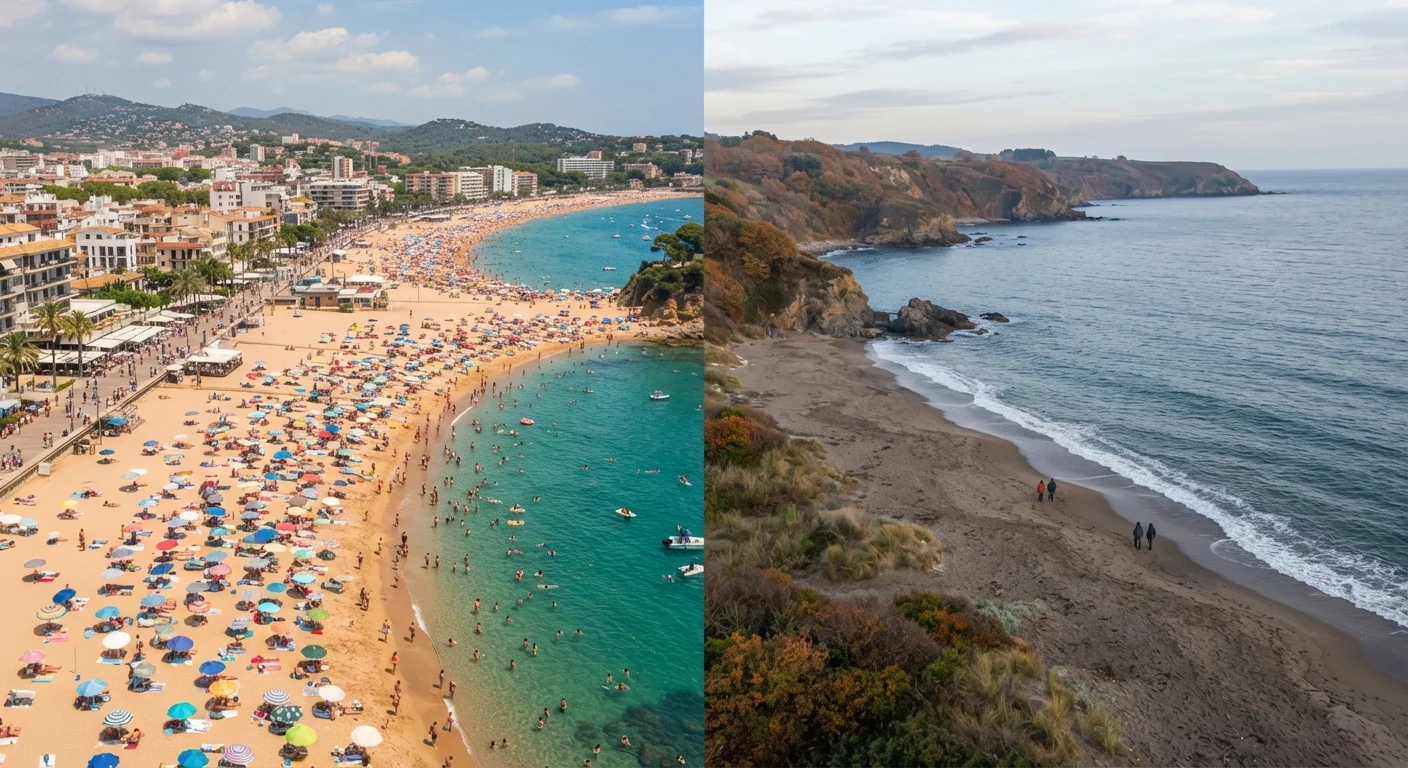
The Three Travel Seasons, Explained
Most destinations follow a broadly predictable annual rhythm. Travel industry shorthand divides this rhythm into three seasons, each with distinct characteristics that directly shape your trip experience.
- Peak season is when the most visitors arrive. Weather is typically at its most favorable, school holidays drive family travel, and local events draw large crowds. Prices reflect that demand.
- Shoulder season sits on either side of peak - the weeks or months just before the rush begins and just after it fades. Conditions are often still good, but crowds and costs ease noticeably.
- Off-season (sometimes called low season) is the quietest period. Visitor numbers drop significantly, prices tend to fall, but weather can be less reliable and some facilities may be closed or scaled back.
None of these labels has a universal calendar date. A Mediterranean coastal town's peak season runs June through August, while a ski resort in the same country peaks in January and February. Always research your specific destination.
Seasons Are Set by the Destination, Not Your Calendar
It's easy to assume that summer means peak season everywhere, but that's not the case. Destinations in the Southern Hemisphere have opposite seasons to North America and Europe. Desert regions may see peak season in cooler months when temperatures are bearable. Always look up the season patterns for your specific destination before drawing conclusions from your home country's calendar.
What Peak Season Actually Feels Like on the Ground
Traveling during peak season means sharing your destination with the maximum number of other visitors. That brings real trade-offs worth knowing before you book.
The upsides: Most attractions, restaurants, transport routes, and guided tours operate at full capacity. The weather is typically at its most reliable. Local infrastructure is geared for visitors.
The downsides: Popular sites can feel overrun. Accommodation books out quickly and commands premium pricing. Simple logistics - finding a table for dinner, boarding a popular ferry, entering a ticketed monument - can take longer than expected.
If you're a first-time traveler who values predictability and full access to services, peak season is a solid choice - provided you plan and book well in advance. See our article on booking flights and accommodation for timing guidance that applies especially to busy periods.
Book Earlier for Peak Season, Flexibly for Off-Season
If you're traveling during peak season, booking accommodation and key activities as early as possible reduces the risk of being shut out entirely. For shoulder or off-season travel, prioritize flexibility - look for accommodation with free cancellation policies in case conditions or schedules change unexpectedly.
Why Shoulder Season Is Worth Serious Consideration
Shoulder season is the period that experienced travelers frequently recommend to newcomers, and for good reason. The conditions that make peak season appealing - good weather, open attractions, accessible transport - don't vanish overnight. They ease gradually.
A European city that swells with visitors in July and August often remains genuinely pleasant in May or October. Temperatures are mild, major museums are open, but queues are shorter and accommodation is easier to secure at lower prices.
The main trade-off is slight unpredictability. Weather becomes less guaranteed, and some seasonal businesses (beach clubs, ski lifts, smaller tour operators) may be winding down or not yet open. Checking exactly what will be available during your specific travel window is essential.
Before committing to any timing, it helps to have your budget mapped out. Our travel budget guide walks through how season affects the true cost of a trip.
20-40%
Typical accommodation price drop in shoulder vs. peak season
Travel industry analysis consistently shows shoulder season rates running significantly below peak, though the exact range varies by destination and property type.
3 in 4
Travelers who say crowds affected their enjoyment
Surveys by travel research groups have found that overcrowding at popular sites is among the most commonly cited factors reducing trip satisfaction.
Off-Season Travel: Realistic Expectations
Off-season travel can be a genuinely rewarding experience, but it works best when you go in with clear expectations rather than assumptions.
The practical benefits are real: fewer crowds at major attractions, lower prices on accommodation and sometimes flights, and a more authentic sense of how a place functions when it isn't performing for tourists.
The challenges are equally real. Some businesses close entirely. Weather can be cold, wet, or simply grey for days at a stretch. Transport links may run on reduced schedules. A coastal village that buzzes in summer can feel almost deserted in January.
For first-time travelers especially, off-season trips to unfamiliar destinations require more pre-trip research. Confirm which attractions will be open, check transport schedules, and have a flexible mindset. Trip length also shapes how much the season matters - a longer stay gives you more buffer if a few days are disrupted. Our article on short trips versus extended journeys covers how to think about this trade-off.
Once you've picked your season, the next step is packing and preparing for the conditions you'll actually encounter.