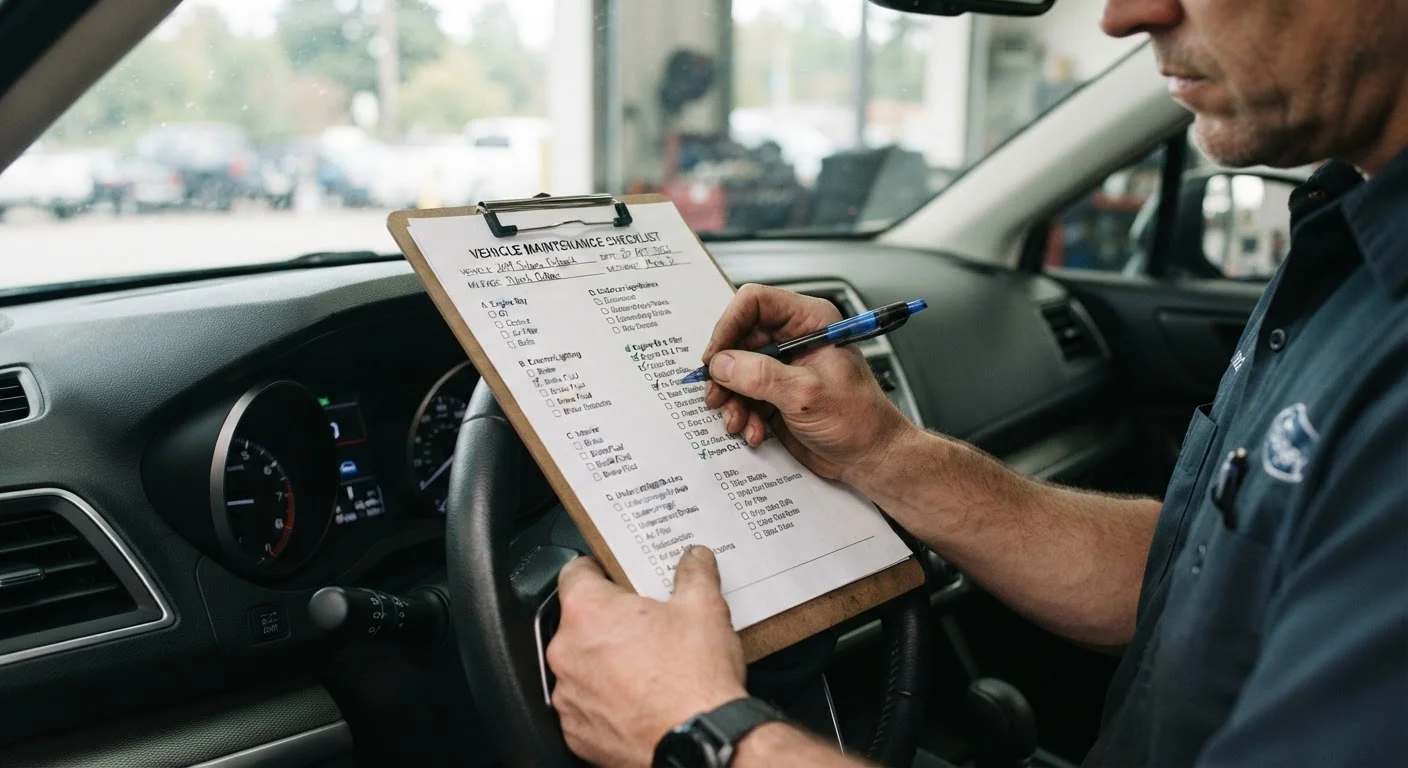
Why a Personalised Schedule Beats Generic Advice
A car maintenance schedule is not one-size-fits-all. The intervals that suit a highway commuter in a mild climate may be inadequate for someone doing short urban trips in a cold region. Generic advice - such as the oft-repeated 'change your oil every 3,000 miles' - has been outdated by modern engine technology and lubricant chemistry for many vehicles, as our article on common maintenance myths explains in detail.
Building a schedule tailored to your specific car and your actual driving habits puts you in control. It helps you anticipate costs, avoid the stress of unexpected breakdowns, and preserve the vehicle's value over time. If you are still weighing up what car ownership actually involves, your first year of car ownership is a useful starting point before diving into scheduling.
Always Follow Your Manufacturer's Intervals
Generic maintenance advice found online may not match what your specific vehicle needs. Intervals for oil changes, transmission fluid, and timing belts vary widely by make, model, and engine type. Using the wrong interval - too long or too short - can cause premature wear or unnecessary expense. Your owner's manual is the authoritative source; when in doubt, consult a qualified mechanic.
Here is what you will need before you start:
What you will need
And here are the tools that will make the process straightforward:
Owner's Manual
Provides manufacturer-specified maintenance intervals, fluid types, and component specifications for your exact vehicle.
Odometer or Trip Computer
Tracks mileage so you know when mileage-based service intervals are approaching.
Notebook or Spreadsheet
Records completed services, dates, mileage, and costs to build a running maintenance history.
Calendar App or Planner
Sets time-based reminders for services due at regular intervals regardless of mileage.
Service Logbook
The official record stamped by mechanics that confirms work was completed - critical for resale value.
How to Build Your Schedule Step by Step
Follow these steps in order. The process takes between 20 and 45 minutes the first time; after that, reviewing and updating your schedule takes only a few minutes each quarter.
Locate and read the maintenance section of your owner's manual
Your owner's manual contains a dedicated maintenance schedule - usually a table listing services by mileage and time intervals. Find this section first. It will specify when to change engine oil, replace the air filter, inspect brake fluid, rotate tires, and more. If you don't have a physical copy, search the manufacturer's website using your vehicle's model year and trim level to download one for free.
List every service item and its interval
Work through the manual's maintenance table and write out every item it mentions. For each, note two figures: the mileage trigger (e.g., every 7,500 miles) and the time trigger (e.g., every 12 months), then record whichever comes first. Common items include engine oil and filter, tire rotation, air filter, cabin filter, brake fluid, coolant, spark plugs, and timing belt or chain inspection. Don't skip items simply because they seem unfamiliar - look up any term you don't recognise.
Assess your driving conditions honestly
Standard intervals assume average driving: a mix of highway and city miles in moderate weather. If your daily commute is short (under five miles each way), your engine rarely reaches full operating temperature, which accelerates oil degradation. Frequent dusty environments clog air filters faster. Towing or carrying heavy loads strains the transmission and brakes. Identify which conditions apply to you and check whether your manual includes a 'severe' or 'special operating conditions' schedule - many do.
Record your current mileage and calculate upcoming due dates
Note today's odometer reading. For each service item you listed in Step 2, calculate the mileage at which it will next be due by adding the interval to the last service mileage (check your service logbook or receipts). If you don't know when it was last done - common when buying a used car - have a mechanic perform an inspection to establish a baseline. Then estimate how many months it will take to reach each upcoming milestone based on your typical annual mileage.
Build your written or digital schedule
Combine all your intervals into a single document - a simple table works well. Columns might include: service item, last completed date, last completed mileage, next due mileage, and estimated due month. Arrange items chronologically so you can see what's coming up soonest. Keep this document somewhere accessible, such as a note on your phone or a folder in your email. A well-kept schedule also feeds directly into your service logbook, which matters when selling the car.
Set reminders and review the schedule regularly
Set calendar reminders for each upcoming service - one based on your projected mileage date and a second as a time-based safety net. Review your entire schedule every three months: update it with any completed services, adjust mileage projections if your driving patterns have changed, and note any new concerns flagged by a mechanic. Treat the schedule as a living document rather than a one-time task.
Use a Free Calendar App as Your Scheduler
Set recurring reminders in any free calendar app - one tied to mileage milestones and another as a time-based backup. For example, if your oil change is due every 5,000 miles or six months (whichever comes first), set both triggers. This two-signal system means you'll never miss a service even during periods of lower-than-usual driving.
Severe Driving Conditions Shorten Intervals
If you frequently drive in stop-and-go traffic, on dusty or unpaved roads, in extreme temperatures, or tow loads regularly, your vehicle is operating under what manufacturers call 'severe' or 'special' conditions. These conditions accelerate component wear, so the standard maintenance schedule in your manual may not be sufficient. Check whether your manual includes a separate severe-use schedule and follow whichever interval comes first.
Once your schedule is in place, you can layer on seasonal considerations - such as checking tire tread and battery condition before winter - using our seasonal car maintenance guide. You may also want to understand the difference between service types by reading about full-service vs. interim service so you can book the right appointment when the time comes.
Finally, be mindful that everyday driving habits can undermine even a perfect schedule. Aggressive braking, ignoring dashboard lights, and skipping fluid checks are among the habits that quietly shorten a car's lifespan - worth reviewing once your schedule is set.