Why Small Habits Do the Most Damage
A car doesn't usually break down because of one catastrophic mistake. More often, it's the accumulation of everyday habits - the hard stop at every red light, the warning light ignored for weeks, the fluid check skipped again - that gradually degrade a vehicle's mechanical health. For first-time owners especially, these habits feel harmless because the car keeps running. The damage is happening quietly, below the surface.
Understanding which habits cause the most harm - and why - is the first step toward genuinely extending your car's lifespan. For a broader picture of how routine upkeep fits together, see our guide to building a car maintenance schedule. It's also worth separating real risks from exaggerated ones - our article on maintenance myths new drivers believe clears up common misconceptions.
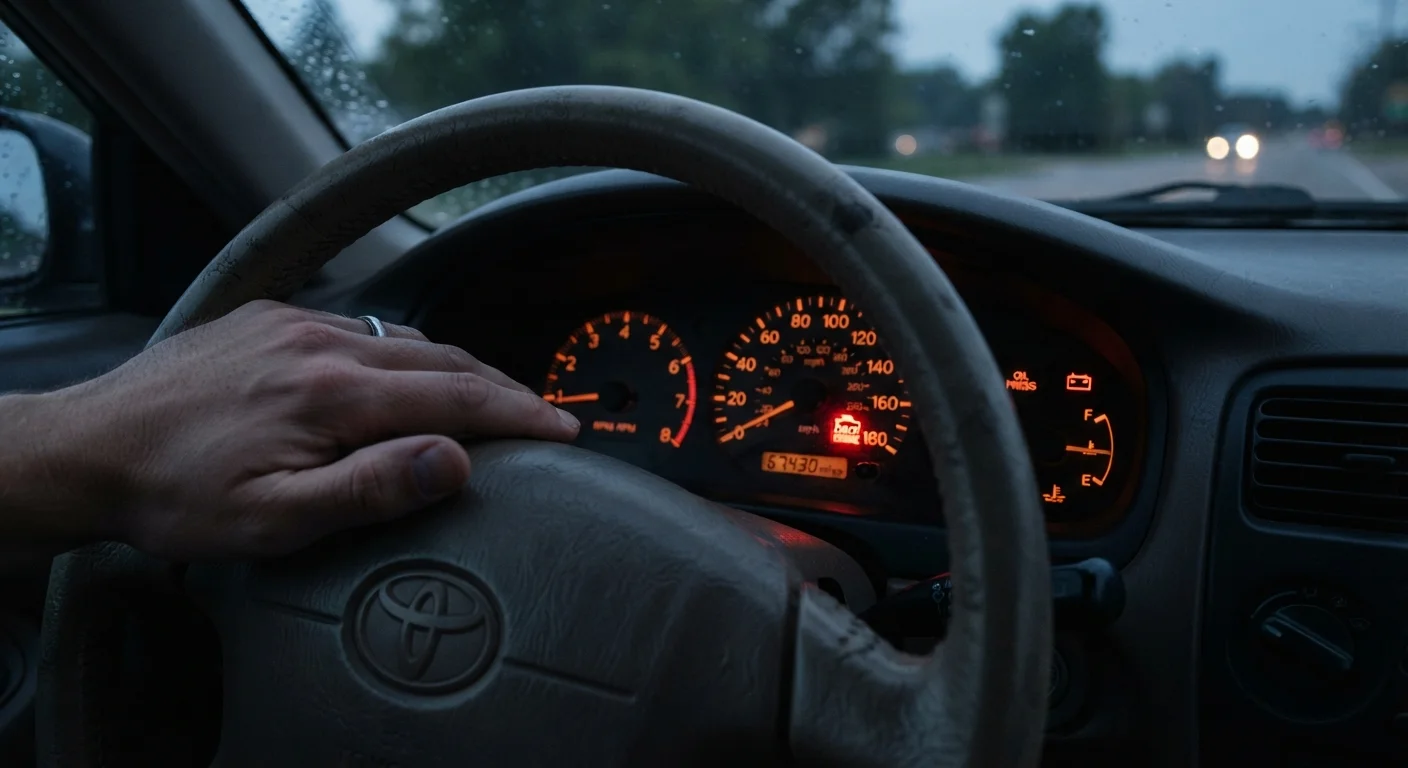
Never Ignore the Check Engine Light
A check engine light doesn't always mean catastrophe, but it should never be dismissed. Some faults it flags - like a failing oxygen sensor or a loose fuel cap - are minor, while others signal engine or emissions damage that worsens quickly if left unaddressed. Have the fault code read at a garage or auto parts store as soon as reasonably possible. See our guide to dashboard warning lights for a full breakdown of what each symbol means.
The Mistakes That Add Up Over Time
The habits below are common, correctable, and responsible for a significant share of avoidable repair bills. Each one is easy to overlook precisely because it doesn't cause immediate, visible damage.
Braking hard and accelerating aggressively as a default driving style.
Why it happens: New drivers often underestimate how much force the mechanical systems absorb with each hard stop or rapid launch, treating the car as more durable than it is.
Dismissing or delaying action on dashboard warning lights.
Why it happens: Warning lights can feel alarming or confusing, so some drivers convince themselves the issue will resolve on its own - or simply can't afford to deal with it immediately.
Skipping routine fluid checks between service intervals.
Why it happens: Many drivers assume that servicing once a year covers everything, not realizing fluids can drop between visits through normal consumption or slow leaks.
Only making very short trips that never allow the engine to reach its full operating temperature.
Why it happens: Short errands are a normal part of daily life, and most drivers don't realize how much condensation and incomplete combustion byproducts build up inside an engine that rarely warms fully.
Neglecting tire pressure and rotation intervals.
Why it happens: Tires look fine visually even when significantly under-inflated, so the problem stays invisible until wear patterns or fuel economy changes make it obvious.
Ignoring the battery until it fails completely.
Why it happens: Batteries rarely give obvious warning signs until they're nearly dead, making it easy to overlook until a no-start situation happens at an inconvenient time.
~$1,200
Average annual car repair cost per U.S. driver
According to AAA's annual survey data, U.S. drivers spend roughly $1,200 per year on unplanned vehicle repairs - many of which stem from deferred maintenance.
Up to 40%
Brake wear increase from aggressive driving
Automotive engineers and brake manufacturers consistently note that hard, late braking can reduce brake pad lifespan by up to 40% compared to progressive braking habits.
Keeping your car in good shape across seasons matters too. Our seasonal car maintenance checklist walks through what to inspect as conditions change throughout the year. If you're thinking about how repair costs fit into your broader finances, reviewing your budgeting basics and emergency fund strategies can help you plan ahead for unexpected vehicle expenses.
Low Oil Is an Engine Emergency
Running an engine with critically low oil can cause irreversible damage within minutes. Metal components that rely on oil for lubrication will grind against each other, generating heat and wear that no repair can fully undo. Check your oil level monthly using the dipstick - it takes under two minutes and costs nothing. If the oil warning light illuminates while driving, pull over safely as soon as possible and do not restart the engine until the level is checked.