What a Service Interval Actually Means
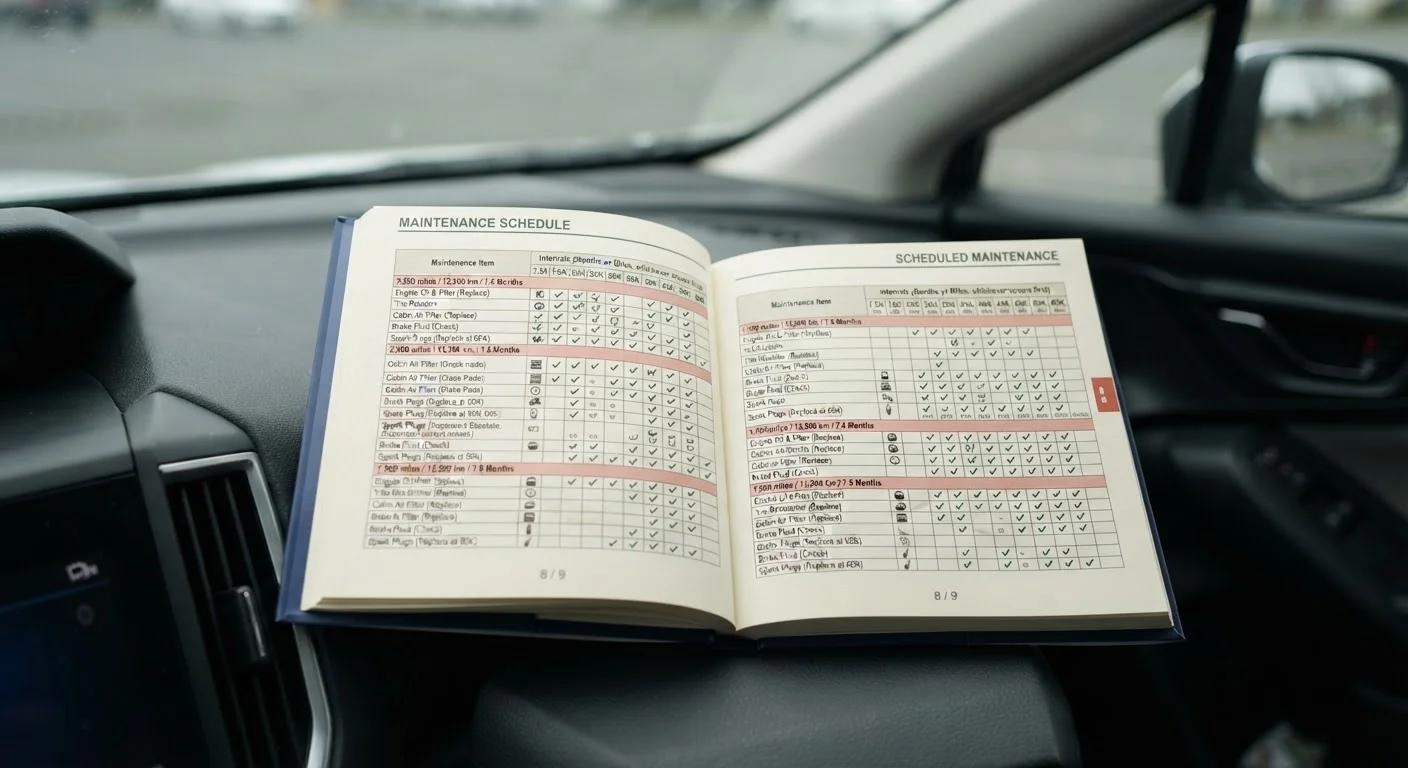
A service interval is the window of time or mileage your vehicle's manufacturer recommends between scheduled maintenance visits. Think of it as a reset clock: every time your car is serviced, that clock starts again. When it expires - whether measured in miles driven or months elapsed - it's time to return.
Manufacturers set these intervals based on engineering data: how long components like engine oil, filters, and spark plugs can perform safely before they degrade. They are not arbitrary. Following them is one of the simplest ways to protect the reliability and longevity of your vehicle.
If you're new to car ownership, understanding what maintenance actually involves is a great starting point before diving into specific intervals.
Miles, Months, or Both: How to Read Your Schedule
Most manufacturers specify service intervals using one of three formats:
- Mileage only - for example, every 10,000 miles. Common for newer vehicles with synthetic oil and flexible service indicators.
- Time only - for example, every 12 months. Less common as a standalone rule but relevant for low-mileage drivers.
- Whichever comes first - for example, every 10,000 miles or 12 months. This is the most widely used format, and the one you'll encounter most often.
The key rule to follow: use whichever limit you reach first. If your car needs a service every 10,000 miles or 12 months, and you've only driven 6,000 miles but 12 months have passed, you still need to book it in.
Why the Dual-Trigger Rule Exists
Mileage and time cause different types of wear. High mileage builds up mechanical friction and fluid contamination. Time - even with little driving - causes oxidation, moisture absorption in fluids, and rubber seal degradation. A car that sits unused still ages chemically, which is why both triggers matter.
This dual-trigger approach exists because both mileage and time cause different types of wear. High mileage accumulates mechanical friction and contamination in fluids. Time causes oxidation, moisture absorption, and seal degradation - even in a parked car. Understanding the relationship between oil condition and intervals helps make this logic clearer.
Why Time Matters Even When You Don't Drive Much
Many first-time owners assume that if they haven't put many miles on their car, they can skip or delay a service. This is one of the most common - and potentially costly - misunderstandings about vehicle maintenance.
~50%
Oil degradation from short-trip driving
Automotive engineers note that short urban journeys - where the engine rarely reaches full operating temperature - can degrade oil significantly faster than highway driving over the same mileage.
2 years
Typical brake fluid change interval
Many manufacturers recommend replacing brake fluid every two years regardless of mileage, because it absorbs moisture from the air over time and loses hydraulic effectiveness.
Engine oil absorbs moisture from condensation, especially in stop-start city driving or when the engine rarely reaches full operating temperature. Over time, this moisture causes corrosion inside the engine. Rubber components like belts and seals also degrade through chemical breakdown regardless of mileage. A car sitting in a garage for six months still ages.
Time-based servicing is especially important for: coolant condition, brake fluid (which absorbs moisture and loses effectiveness), cabin air filters, and battery health checks.
Best Practices for Staying on Top of Service Intervals
Locate your owner's handbook and identify your exact service schedule before anything else.
Generic interval advice online may not apply to your specific engine, trim level, or fuel type. The handbook contains the manufacturer-approved schedule for your exact vehicle and is always the most authoritative source.
Always act on whichever service trigger - mileage or time - you reach first.
Waiting for both limits to coincide defeats the purpose of the dual-trigger system. Manufacturers set the more conservative threshold to account for real-world driving variation, and ignoring one half of the rule leaves your vehicle under-maintained.
Set a calendar reminder when you leave a service appointment, not weeks later when you've forgotten the date.
Most missed services happen through genuine forgetfulness, not neglect. Setting a reminder immediately anchors the next interval to an accurate starting point and removes the need to later calculate the due date.
Log your service date, mileage, and work completed in your service book every time.
A complete service history demonstrates to any future buyer, mechanic, or warranty provider that the car has been properly maintained. Gaps in the logbook can reduce resale value and complicate warranty claims.
Use your vehicle's onboard service indicator as a prompt, but verify it against handbook intervals.
Many modern cars display a service due warning on the dashboard instrument cluster. These systems are useful but can be reset incorrectly or misconfigured, particularly on used cars. Treat the indicator as a reminder, not the definitive authority.
Choosing the right level of service for each interval also matters. Our guide to full-service vs. interim service explains the difference and helps you match the service type to your mileage and driving habits.
Quick Actions You Can Take Right Now
Once you've confirmed your intervals, consider keeping your service logbook updated after every visit - it protects your car's history and resale value.