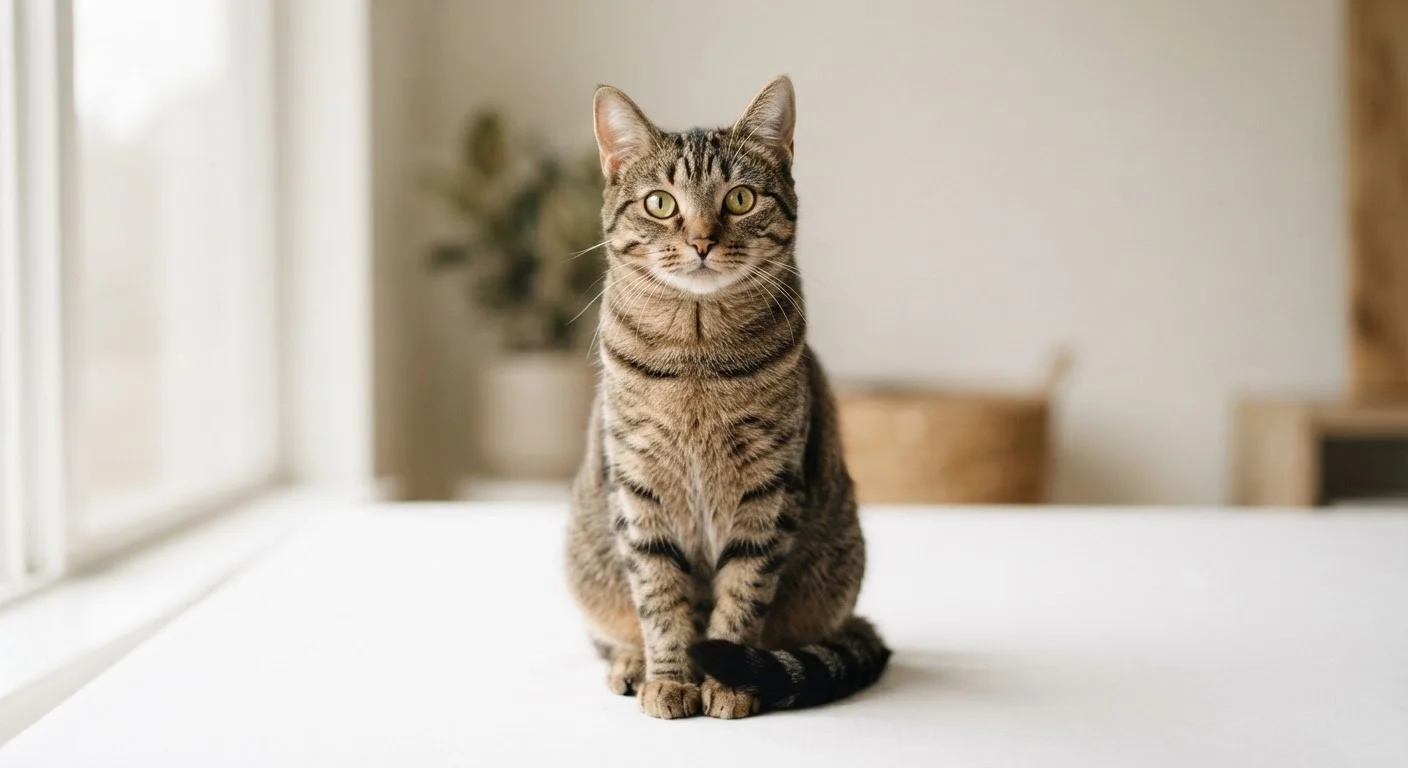
Why Cat Health Myths Persist
Cats have lived alongside humans for thousands of years, and in that time we have built up a rich - if not always accurate - collection of beliefs about how they work. Many of these myths feel intuitively true, are repeated by well-meaning friends and family, or are so embedded in popular culture that questioning them seems unnecessary. For a first-time cat owner, separating folklore from veterinary fact can feel daunting.
The good news is that most myths are easy to correct once you know what to look for. Understanding the real biology and behavior behind common misconceptions helps you make better day-to-day decisions - and know when something genuinely warrants a call to your vet. Just as you might question popular beliefs about human health habits, it pays to apply the same critical thinking to cat care.
Myth
Cats can drink cow's milk as a treat - they love it, so it must be fine.
Fact
Most adult cats are lactose intolerant and cannot properly digest the lactose in cow's milk, which commonly leads to diarrhea and stomach upset.
The image of a cat lapping up a saucer of milk is deeply embedded in popular culture, but it doesn't reflect feline biology. Like many mammals, cats lose much of their ability to produce lactase after kittenhood. Without enough lactase, lactose passes undigested into the gut, where it ferments and causes bloating, cramps, and loose stools. Fresh water is the appropriate everyday drink for cats. If you want to offer something special, your vet can advise on cat-safe options.
Myth
If a cat is purring, it must be content and comfortable.
Fact
Cats purr in a wide range of emotional states, including when they are anxious, unwell, or in pain - purring is not a reliable sign of happiness alone.
Purring is one of a cat's most versatile communication tools. While cats certainly purr when relaxed, research and veterinary observation show they also purr during stressful vet visits, when recovering from injury, and even near the end of life. Some experts suggest purring may serve a self-soothing function. Learning to read your cat's full body language - ear position, tail movement, muscle tension - gives you a much more accurate picture of their emotional state. See our guide to cat body language for a plain-language breakdown of the signals to watch for.
Myth
Cats always land on their feet, so falls aren't dangerous.
Fact
Cats have a righting reflex that helps them orient mid-air, but this does not prevent serious injuries - falls from any height can cause broken bones or internal trauma.
The righting reflex is real and impressive, but it is not a safety guarantee. Falls from medium heights - roughly two to six stories - can actually be more dangerous than very high falls in some circumstances because the cat may not have enough time to fully orient before impact. Veterinarians regularly treat cats for fractured legs, jaw injuries, and chest trauma after falls. Keep balcony railings and high windows secured, particularly if you have a younger or older cat with slower reflexes.
Myth
Indoor cats don't need vaccines or regular vet visits - they're not exposed to anything.
Fact
Indoor cats still face health risks including airborne viruses, parasites brought in on clothing, and internal health changes that only a vet exam can detect.
Staying indoors significantly reduces certain risks, but it does not eliminate them. Respiratory viruses like feline herpesvirus can travel on hands, shoes, and clothing. Parasites such as fleas can hitch a ride indoors the same way. Beyond infectious disease, routine checkups allow vets to catch dental disease, weight changes, organ function shifts, and other conditions early - when they are most manageable. Our article on feline health care basics covers what a typical preventive care schedule looks like. You can also learn more about which vaccines apply to indoor cats in our cat vaccinations overview.
Myth
Cats are low-maintenance pets that largely take care of themselves.
Fact
Cats are independent in some ways but require consistent nutrition, enrichment, dental care, veterinary attention, and social interaction to stay healthy.
Cats are often marketed as the ideal 'easy' pet, and their self-grooming and solitary reputation contribute to this idea. In reality, neglected cats develop a range of preventable problems: dental disease affects the majority of cats over three years of age, obesity is increasingly common in indoor cats, and behavioral issues frequently arise from insufficient mental stimulation. A cat who seems to be managing fine on its own may simply be masking discomfort - a well-documented feline trait. If you are noticing subtle changes, our article on signs your cat may be unwell can help you decide when a vet visit is warranted.
Putting Accurate Cat Care Into Practice
Correcting these myths is only a starting point. Building good habits early - scheduling annual vet checkups, providing appropriate food and fresh water, enriching your cat's environment, and learning to read their body language - sets the foundation for a healthy, long relationship.
Milk Can Make Your Cat Sick
Offering cow's milk as a treat seems harmless, but it is one of the most common causes of digestive upset in cats. Diarrhea, bloating, and stomach cramps can follow even a small serving. Stick to fresh water as your cat's primary drink, and ask your vet before introducing any new food or treat.
Food choices are another area where myths abound. Understanding how wet food, dry food, and portion control interact is worth your time: see our article on your cat's nutritional needs and our guidance on feeding routines that support a healthy weight for practical direction. If you are curious about some of the more puzzling things your cat does, our piece on decoding everyday feline behaviours offers clear explanations without the guesswork.
Always Consult Your Veterinarian
The information in this article is general education, not veterinary advice. If you notice changes in your cat's behavior, appetite, weight, or physical condition, contact a licensed veterinarian. Early professional assessment is always the safest step.
~70%
Adult cats with some degree of lactose intolerance
Veterinary consensus holds that the majority of adult cats lack sufficient lactase to comfortably digest cow's milk, though individual tolerance varies.
70%+
Cats over 3 with dental disease
According to the American Veterinary Medical Association, periodontal disease is one of the most common health conditions seen in cats over age three.
This article is for general informational and educational purposes only and is not a substitute for professional veterinary advice, diagnosis, or treatment. Always consult a qualified veterinarian regarding your cat's specific health needs.