Nutrition: Fueling Your Dog Every Day
Food and fresh water are the foundation of your dog's daily health. Dogs need a nutritionally balanced diet formulated for their life stage - puppy, adult, or senior - and served at consistent times each day. Irregular feeding can contribute to digestive upset and anxiety.
For most adult dogs, two meals a day works well. Portion sizes should reflect your dog's size, age, and how active they are. Overfeeding is one of the most common mistakes new owners make, and excess weight puts strain on joints and organs over time. For a detailed breakdown of portions and food types, see our guide on feeding a dog - how much, how often, and what goes in the bowl.
Fresh water should always be available. Check and refill the bowl at least once a day and clean it regularly to prevent bacteria buildup.
Check Your Dog's Food for Life Stage Labeling
Pet food labels in the US are regulated by AAFCO (the Association of American Feed Control Officials). Look for a statement that the food is formulated to meet nutritional levels for your dog's specific life stage - 'puppy,' 'adult,' or 'all life stages.' This is a reliable baseline indicator of nutritional adequacy, though your vet can help you fine-tune the choice for your individual dog.
Exercise: Moving Their Body Daily
Physical activity keeps a dog's muscles toned, joints mobile, weight healthy, and energy levels balanced. A dog that doesn't move enough tends to become restless, overweight, or difficult to manage indoors.
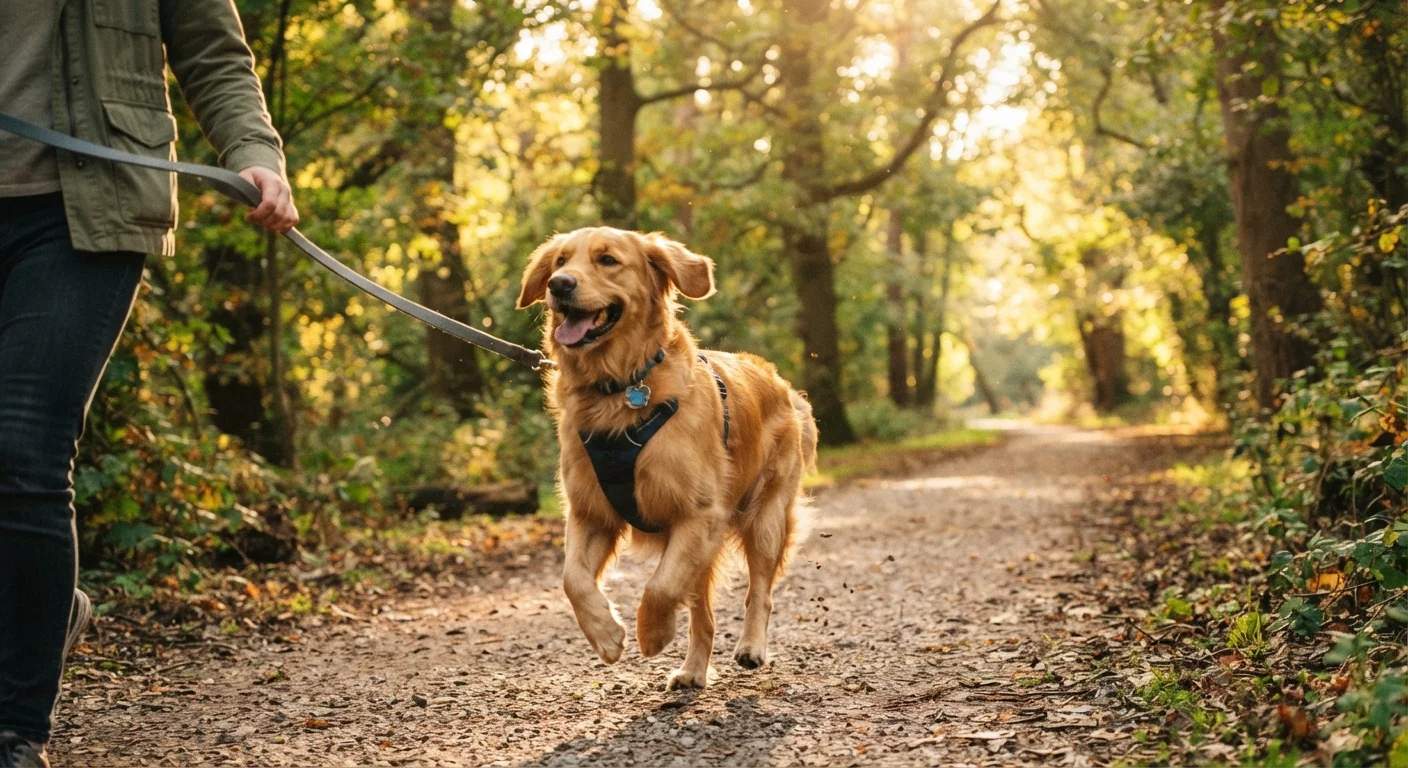
The right amount of daily exercise depends on your dog's breed, age, and health status. A working breed like a Border Collie may need 90 minutes or more of vigorous activity, while a Basset Hound or a senior dog may do fine with shorter, gentler walks. Two walks a day - one in the morning, one in the evening - is a solid baseline for most adult dogs.
56%
US dogs classified as overweight or obese
According to the Association for Pet Obesity Prevention, more than half of US dogs are overweight - a condition linked directly to insufficient exercise and overfeeding.
30-60 min
Minimum daily exercise for most adult dogs
Veterinary guidelines generally recommend at least 30 to 60 minutes of moderate physical activity per day for average adult dogs, with active breeds needing more.
Exercise isn't limited to walks. Fetch, swimming, and structured play in a yard or park all count. The key is that movement happens consistently every day, not just on weekends.
Mental Stimulation: Engaging the Dog Brain
A physically tired dog is not necessarily a mentally satisfied one. Dogs are problem-solving animals, and their brains need daily engagement to stay sharp and calm. Without it, boredom sets in quickly - and boredom in dogs often looks like chewing furniture, excessive barking, or digging.
Simple ways to stimulate your dog mentally include training sessions (even five to ten minutes of practicing known commands counts), puzzle feeders, sniff-heavy walks where your dog is allowed to explore freely, and interactive play. Mental stimulation strategies can make a significant difference in your dog's daily mood and behavior.
Training Is Mental Exercise Too
Many owners think of training as a behavior-correction tool, but it's also one of the most effective forms of daily mental stimulation. Even a five-minute session practicing sit, stay, or a new trick engages your dog's problem-solving brain, builds your bond, and tires them out more efficiently than a longer passive walk.
Social Connection, Routine, and Rest
Dogs are social animals. Daily interaction with their owner - whether that's play, training, grooming, or simply sitting together - is a genuine need, not a luxury. Dogs that are regularly isolated or ignored are at higher risk for anxiety and stress-related behaviors.
Routine matters enormously. Dogs thrive on predictable schedules for feeding, walks, playtime, and bedtime. A consistent daily structure reduces anxiety by helping your dog know what to expect next.
Rest is equally important. Adult dogs sleep roughly 12 to 14 hours a day, and they need a quiet, comfortable, designated sleep area to do so effectively. A crate, dog bed, or dedicated corner of a room all work - what matters is that the spot is consistent and free from disruption during rest periods.
Bringing these daily pillars together - nutrition, movement, mental engagement, connection, and rest - forms the foundation of a healthy life for your dog. If you're preparing to bring a dog home for the first time, our new dog owner checklist walks you through everything to have in place before day one.