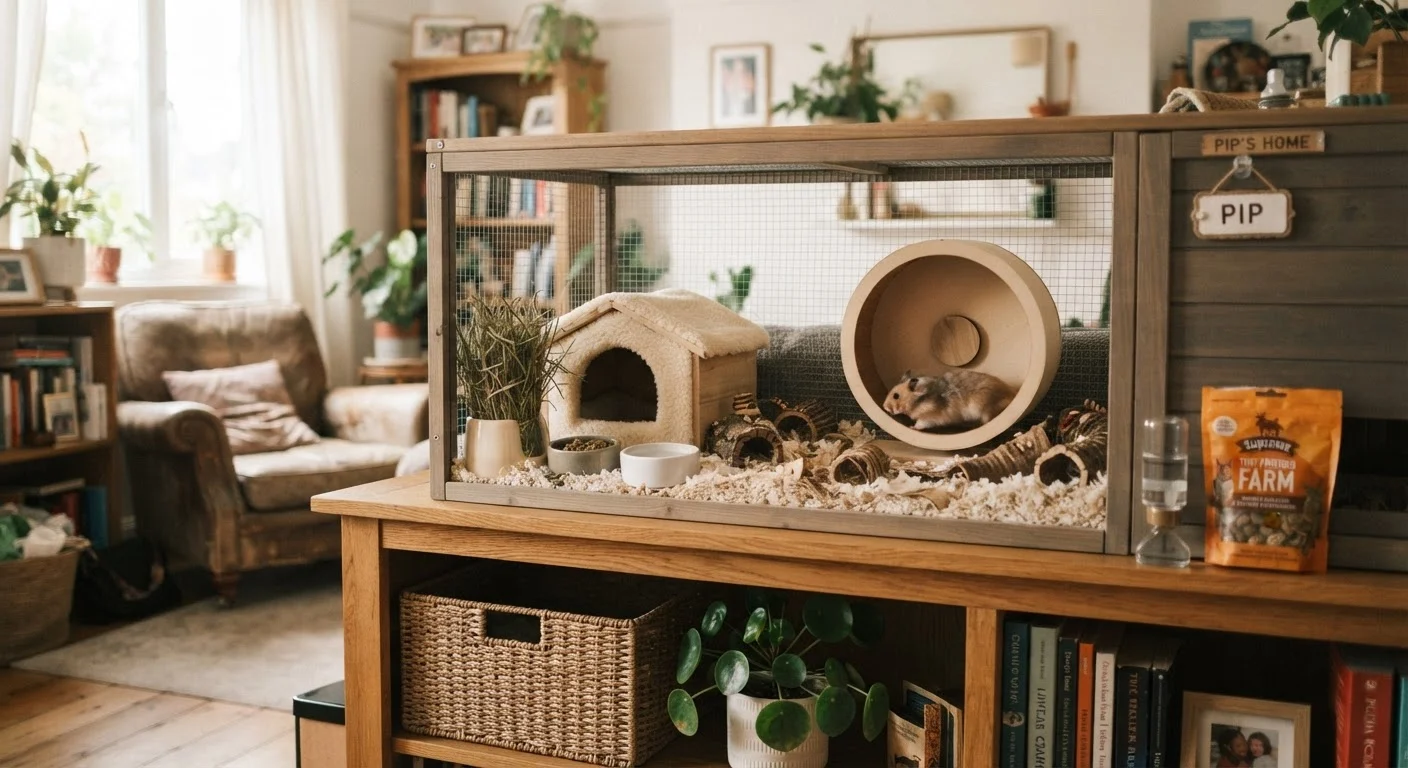
Why the Purchase Price Is Just the Beginning
Many first-time pet owners focus on the upfront cost of the animal - and it's easy to see why. A hamster might cost $10 to $20 at a shelter or pet store, which feels very manageable. But the animal itself is often the smallest line item in the total budget. The habitat, food, bedding, and veterinary care that follow are where ongoing spending lives.
Before choosing a species, it's worth thinking through what that pet will need every single month, not just on day one. Comparing care demands across species is one of the most useful things you can do early in the decision process, because costs vary widely.
$700-$1,000+
Estimated first-year cost for a guinea pig
This estimate reflects startup supplies, food, bedding, and basic vet care - not including emergency expenses.
$300-$500
Recommended small pet emergency fund
Animal welfare organizations commonly suggest maintaining a reserve fund to cover unexpected veterinary visits.
$50-$100+
Cost of a single exotic vet appointment
Routine wellness visits for rabbits, birds, and other exotic small pets typically exceed standard dog and cat consultation fees.
Startup Costs: Setting Up a Proper Habitat
The habitat is typically the largest one-time investment. A suitable cage, tank, or enclosure for most small pets can range from $40 for a basic hamster cage to $200 or more for a rabbit hutch or a properly sized bird cage. Cutting corners here is risky - undersized or poor-quality enclosures affect the animal's health and behavior.
On top of the enclosure itself, you'll need bedding or substrate, food and water dishes, a hideout or shelter, enrichment items like tunnels or toys, and a transport carrier for vet visits. Altogether, startup supplies for a hamster or gerbil might total $80-$150, while a rabbit setup can easily reach $300 or more before the animal even comes home.
If you're renting or sharing a home, it's also worth reviewing any housing rules first. Our guide on keeping small pets in rented or shared homes covers what to check before committing.
Price Out Supplies Before You Commit
Before deciding on a species, visit a pet supply store or browse online retailers to tally up the cost of a proper enclosure, bedding, food, and starter supplies. This gives you a realistic startup number rather than a guess. Many new owners are surprised to find the habitat costs more than the animal.
Recurring Monthly Costs: Food, Bedding, and Supplies
Once your pet is settled, a predictable set of recurring expenses kicks in. Food is the most obvious - species-appropriate pellets, hay, fresh vegetables, or insects depending on the animal. Bedding needs regular replacement to maintain hygiene and control odor. Toys and enrichment items wear out or need rotating to keep the animal stimulated.
For a hamster, expect to spend roughly $20-$35 per month on food and bedding. A rabbit's monthly food and hay costs can run $40-$70 or more, especially if fresh greens are part of the diet. Birds vary enormously by species - budgies are more affordable to maintain than larger parrots, which may need fresh foods, specialized pellets, and a constant rotation of new toys.
Tracking these expenses as part of a household budget is a practical habit. Our budgeting basics hub has simple frameworks you can adapt to include pet care as a fixed monthly line item.
Veterinary Care: Planning for the Costs You Can't Always Predict
This is the category most new owners underestimate. Many small pets - rabbits, guinea pigs, chinchillas, birds - require care from an exotic animal veterinarian, which typically costs more than a standard dog or cat appointment. Even a routine wellness check for a rabbit can run $50-$100 or more, and dental issues (common in rabbits and guinea pigs) or respiratory infections can quickly become several hundred dollars to diagnose and treat.
The general guidance from animal welfare organizations is to budget at least $100-$200 per year for routine care per small pet, plus a separate emergency fund of $300-$500 if possible. This is not a guarantee of what you'll spend - it's a planning baseline.
Not All Vets Treat Small Pets
Many general-practice veterinary clinics do not see rabbits, guinea pigs, birds, or other exotic small animals. Before bringing a small pet home, confirm that an exotic-animal-experienced veterinarian is accessible in your area. Waiting until the animal is sick to search for a vet can delay critical care.
Species like chinchillas and birds have particularly specialized care needs. Reviewing what exotic small pet owners wish they'd known can help you prepare for the less obvious aspects of ownership.
Building a Realistic Total Budget Before You Decide
A realistic budget has three parts: startup costs (one-time), monthly recurring costs (ongoing), and a contingency reserve (emergency vet fund). Adding these together gives you a true annual cost estimate rather than just an initial sticker price.
For example, a guinea pig might cost $25-$50 to purchase, $150-$250 in startup supplies, $40-$60 per month in food and bedding, and $100-$200 in annual vet costs under ideal conditions. That can add up to $700-$1,000 in the first year alone - a very different number from the adoption fee.
If you're also weighing the question of where to get your pet, the considerations around adopting vs. buying apply to small pets too - adopted animals sometimes come with initial health checks or vaccinations already completed, which can reduce early vet costs.
Going in with clear numbers - not just enthusiasm - is what sets successful first-time owners apart. The goal isn't to discourage anyone, but to make sure the commitment is genuinely sustainable from day one.
This article is for general informational purposes only and does not constitute financial or veterinary advice. Consult a licensed veterinarian for guidance specific to your pet's species and health needs.