What a Pre-Purchase Inspection Actually Is
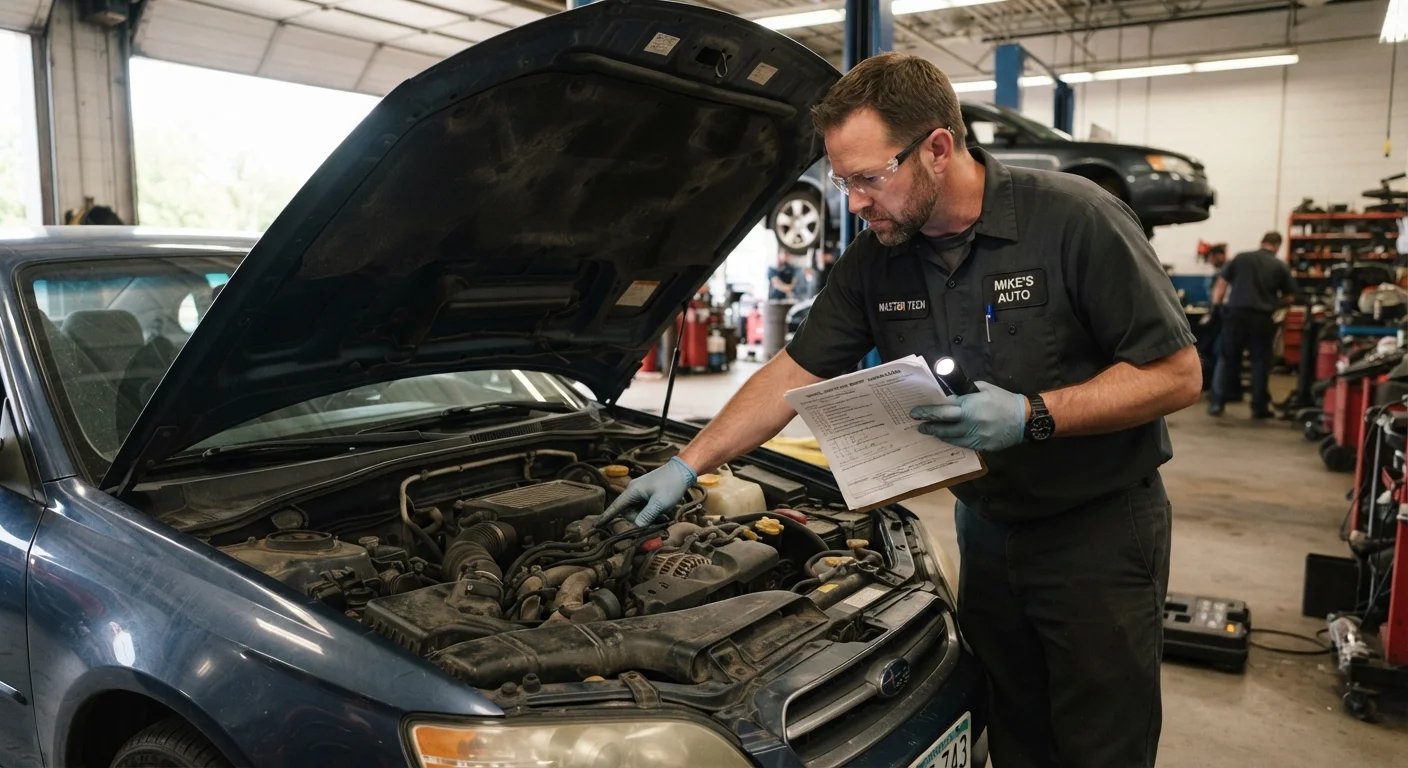
A pre-purchase inspection (PPI) is a structured mechanical assessment of a used vehicle carried out by an independent mechanic - someone paid by you, not the seller. Its purpose is straightforward: to identify mechanical, structural, or electrical problems that neither you nor the seller may have disclosed, either because they weren't aware or chose not to mention them.
This is different from a test drive, which gives you a subjective feel for the car, or a vehicle history report, which records documented events. A PPI is a hands-on, professional evaluation of the car's actual condition at the time of sale. Think of it as hiring a specialist to review something before you commit - much the same logic applies when buyers consider a home move-in inspection before signing on a property.
For first-time car buyers in particular, the value is hard to overstate. Without experience, it's difficult to know what to look for under the hood, beneath the car, or in the wear patterns on tyres and brake components. A qualified mechanic closes that knowledge gap. For a sense of what separates tasks you can handle yourself from those that need a professional, see DIY Checks vs. Garage Visits.
What you will need
How to Arrange and Complete Your Inspection
The process is more straightforward than many first-time buyers expect. Before you begin, make sure you've done preliminary research on the vehicle - if you haven't yet prepared for the broader buying process, the dealership preparation checklist is a good starting point. You'll also want to have already completed a test drive so you have your own impressions to compare against the mechanic's findings.
Vehicle History Report
Provides background on prior ownership, accident records, and title status before the mechanic's physical inspection begins.
Independent Mechanic or Inspection Service
Carries out the hands-on physical and mechanical assessment of the vehicle.
Notepad or Phone for Notes
Allows you to record the mechanic's verbal findings alongside the written report.
Pull a vehicle history report first
Before scheduling any inspection, obtain a vehicle history report using the car's VIN. This document can flag past accidents, title problems, odometer discrepancies, and the number of previous owners. It won't catch every issue - for a fuller picture of what records reveal and where they fall short, see Reading a Used Car's History. Treat the report as a starting filter, not a final verdict.
Find a qualified independent mechanic
Choose a mechanic who has no financial relationship with the seller. If you're buying from a dealership, do not use the garage attached to that dealership. Search for independent repair shops, ask trusted friends for referrals, or look for mechanics certified by recognized trade bodies. Call ahead to confirm they perform pre-purchase inspections and ask roughly how long the process takes - usually 45 to 90 minutes.
Get the seller's agreement to proceed
Contact the seller - whether a private individual or a dealership - and explain that you'd like an independent inspection before making an offer. A willing seller will typically agree; a seller who resists or places unusual conditions on the inspection is a meaningful red flag. Confirm the logistics: the vehicle needs to be driven or transported to the mechanic's location, or some mobile inspection services will come to the car.
Attend the inspection if possible
Being present allows you to ask questions in real time and hear the mechanic's observations directly. You're not expected to understand every technical detail - the mechanic's job is to explain what they find in plain terms. If you cannot attend in person, ask the shop to prepare a written report with photographs of any concerns.
Understand what the inspection covers
A standard pre-purchase inspection typically examines:
- Engine and transmission: fluid condition, leaks, unusual noises, and general mechanical health
- Brakes and suspension: pad thickness, rotor condition, shock absorbers, and steering components
- Body and frame: signs of prior collision repair, rust, panel alignment, and paint inconsistencies
- Electrical systems: lights, air conditioning, windows, and dashboard warning indicators
- Tyres: tread depth, even wear patterns, and sidewall condition
- Under-vehicle: exhaust, fuel lines, and visible corrosion
Not every shop inspects every system identically, so ask for a checklist or written scope upfront.
Review the report and decide your next step
Once you have the findings, consider each issue in context. Minor items - worn wiper blades, a cabin air filter due for replacement - are normal on used cars. Significant findings - a cracked engine mount, evidence of frame repair, or a transmission showing signs of wear - deserve careful thought. You can use the report to negotiate a lower price, request the seller address specific repairs, or decide the vehicle is not the right choice. There is no obligation to proceed.
This article is for general informational purposes only and does not constitute professional mechanical or financial advice. Always consult a qualified mechanic for an assessment specific to any vehicle you are considering purchasing.