How a Car Battery Actually Works
Your car battery is a rechargeable energy storage unit - typically a 12-volt lead-acid battery made up of six cells filled with a mixture of sulfuric acid and water. When you turn the ignition key or press the start button, the battery delivers a powerful surge of electricity to the starter motor, which cranks the engine to life. Once the engine is running, a component called the alternator takes over, generating electricity to power the car's systems and simultaneously recharging the battery.
This cycle - discharge on startup, recharge while driving - works well when the battery is healthy and trips are long enough for the alternator to do its job. Problems arise when that balance is disrupted, either by excessive demand, insufficient charging time, or chemical degradation within the battery itself.
Lead-Acid vs. AGM Batteries
Many newer vehicles use Absorbed Glass Mat (AGM) batteries, which are sealed, spill-proof, and more tolerant of repeated deep discharges than conventional flooded lead-acid units. AGM batteries also tend to cost more. If your vehicle came with an AGM battery, it's important to replace it with the same type - using a standard lead-acid battery in an AGM-designed charging system can shorten the replacement battery's life significantly. Check your owner's manual or ask a qualified mechanic if you're unsure which type your car uses.
The Habits That Drain Your Battery Faster
Many drivers don't realize how much everyday behavior affects battery longevity. Here are the most common culprits:
- Frequent short trips: Each engine start draws heavily on the battery. If you're regularly driving for only 5-10 minutes, the alternator doesn't have time to restore that energy. Over weeks and months, the battery slowly runs deeper into debt it can never repay.
- Leaving accessories on: Interior lights, phone chargers, dash cameras, and infotainment screens left running with the engine off draw power directly from the battery with nothing recharging it. A single overnight light-left-on incident can deep-discharge a battery, causing lasting internal damage.
- Extreme temperatures: Heat accelerates the chemical reactions inside the battery, speeding up corrosion and water evaporation. Cold weather reduces the battery's ability to deliver power, unmasking weakness that heat already created.
- A weak or failing alternator: If the alternator isn't charging properly, the battery runs down even on long drives - a problem that's easy to mistake for a battery fault alone.
These habits are part of a broader set of behaviors covered in our article on habits that quietly shorten a car's lifespan.
3-5 years
Typical car battery lifespan
Industry guidance from automotive organizations consistently cites this range under normal driving conditions, with real-world lifespan varying by climate and usage.
~50%
Capacity loss in extreme cold
At 0°F, a lead-acid battery can deliver roughly half its rated capacity compared to performance at 80°F, according to general battery engineering principles.
20-30 min
Minimum drive time to recharge after starting
Automotive engineers note that alternators generally need at least this much continuous run time to adequately replenish the charge spent during a cold start.
Recognizing the Warning Signs
Catching battery decline early gives you options. Watch for these signals:
- Slow or labored cranking: The engine turns over sluggishly before starting - a classic sign the battery is struggling to deliver sufficient current.
- Dimming headlights at idle: If lights brighten when you rev the engine but dim when idling, the battery may not be holding a strong enough charge.
- Dashboard warning lights: A battery icon or check-engine light can indicate charging system problems. Our companion article on what dashboard warning lights are really telling you explains these in detail.
- Frequent need for jump-starts: Needing a jump more than once is not a coincidence - it's a pattern worth acting on promptly.
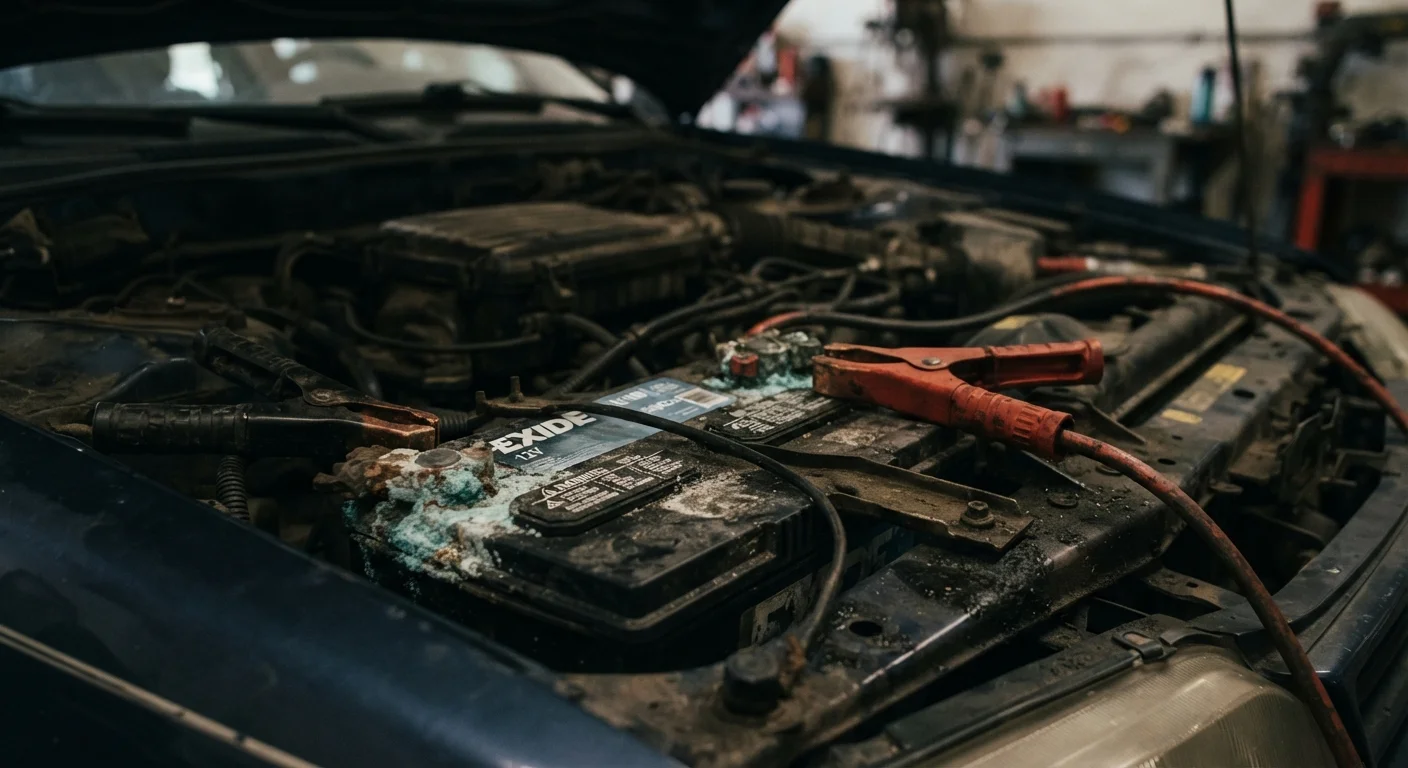
- Corrosion on terminals: White or bluish residue around the battery posts can increase electrical resistance and reduce performance, even if the battery itself is still serviceable.
Free Battery Testing Is Widely Available
You don't need to visit a dealership or pay a diagnostic fee to assess your battery's condition. Many auto parts retailers offer complimentary battery load tests that measure actual output under simulated demand - far more informative than a simple voltage reading. If your battery is more than three years old, scheduling a free test before winter is a sensible precaution.
Simple Steps to Protect Your Battery
You don't need special tools or mechanical expertise to extend your battery's life meaningfully:
- Combine short errands into longer drives when possible, giving the alternator adequate time to recharge the battery.
- Double-check that all lights and accessories are off before leaving the vehicle - a habit that takes seconds and costs nothing.
- Have your battery tested annually once it reaches three years old. Many auto parts retailers offer free battery load tests that assess actual output rather than just voltage.
- Keep terminals clean by wiping away corrosion with a mixture of baking soda and water (with the battery disconnected and by a qualified mechanic if you're unsure).
- Include battery checks in your maintenance schedule. Our guide on building a car maintenance schedule from scratch shows how to track all your vehicle's service needs in one place.
Battery care is a small investment of attention that can prevent an inconvenient - and potentially costly - breakdown. The more you understand what taxes your battery, the better positioned you are to stay one step ahead.