Why Packaging Claims Have Legal Definitions
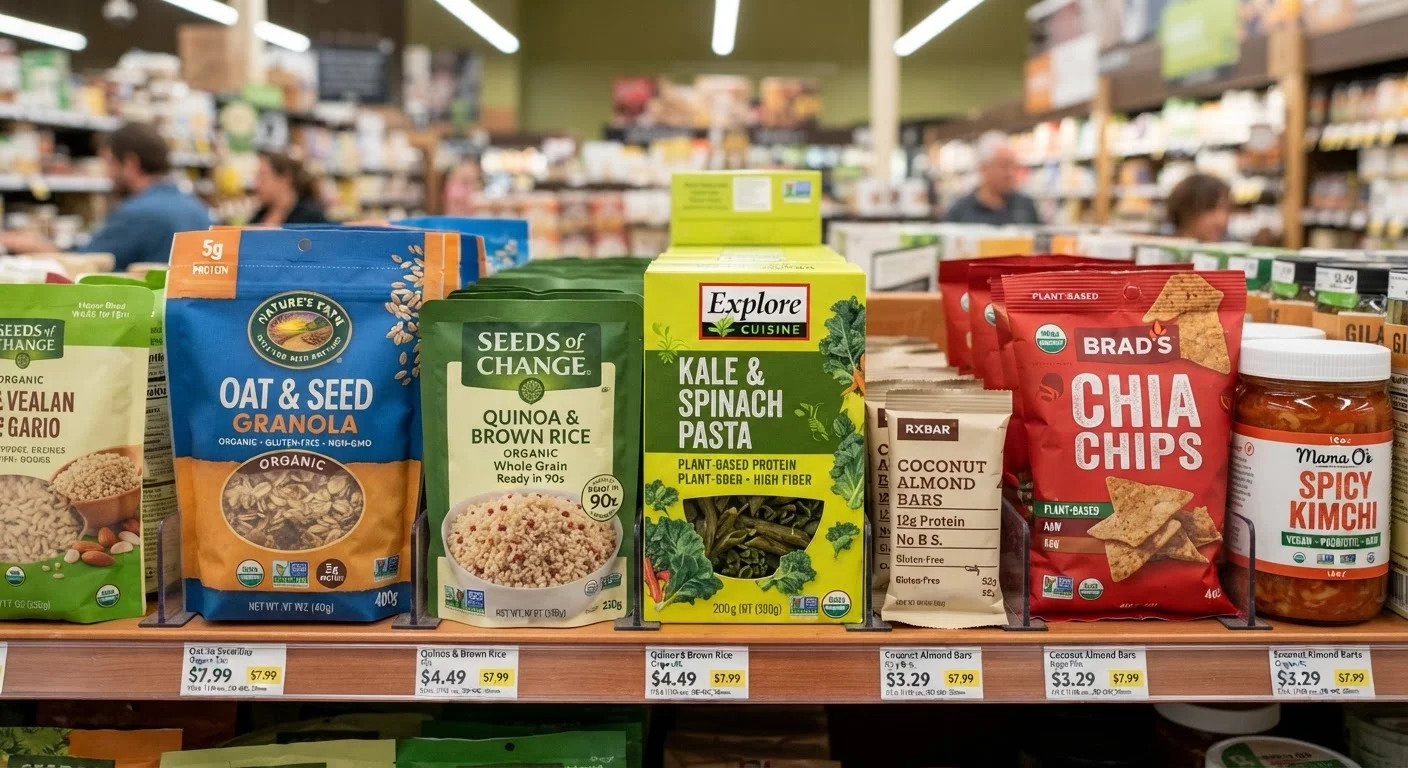
Words like "low fat," "high protein," and "reduced sodium" on a food package are not just marketing language - in the United States, most of them are legally defined terms regulated by the Food and Drug Administration (FDA). A manufacturer cannot legally print "low fat" on a package unless the product meets a specific numerical threshold. Understanding this system helps you move past vague impressions and read labels with real confidence.
That said, not every word on a package carries legal weight. Some common terms - including "natural," "wholesome," and "clean" - have little or no formal definition under current U.S. food law, which means they can appear on almost any product regardless of its actual nutritional profile. Knowing which claims are regulated and which are not is the first practical skill in becoming a more informed food shopper.
For a broader foundation, see our introduction to everyday nutrition before diving deeper into labels.
| Regulating body (U.S.) | Food and Drug Administration (FDA) (FDA.gov) |
| "Low fat" definition | 3 grams of fat or less per serving (FDA nutrient content claim regulations) |
| "High" or "Excellent source" threshold | 20% or more of the Daily Value per serving (FDA nutrient content claim regulations) |
| "Good source" threshold | 10%-19% of the Daily Value per serving (FDA nutrient content claim regulations) |
| "Calorie-free" definition | Fewer than 5 calories per serving (FDA nutrient content claim regulations) |
| "Sodium-free" definition | Less than 5 mg of sodium per serving (FDA nutrient content claim regulations) |
| "Natural" - legally defined? | No formal legal definition in U.S. food law (FDA, as of last published guidance) |
| "Light" or "Lite" definition | At least 1/3 fewer calories or 50% less fat vs. reference food (FDA nutrient content claim regulations) |
Common Regulated Claims and What They Require
The FDA's nutrient content claims are the most common type you'll encounter. Each one specifies an exact amount of a nutrient per serving. Here are the most frequently seen:
- Fat claims: "Fat-free" means less than 0.5 g of fat per serving. "Low fat" means 3 g or less. "Reduced fat" means at least 25% less fat than a comparable standard product - but the original product may have been quite high in fat to begin with.
- Calorie claims: "Calorie-free" means fewer than 5 calories per serving. "Low calorie" means 40 calories or fewer per serving. "Light" or "lite" requires at least one-third fewer calories or 50% less fat compared to a reference (standard) food.
- Sodium claims: "Sodium-free" means less than 5 mg per serving. "Low sodium" means 140 mg or less. "Reduced sodium" means at least 25% less than the original version.
- Nutrient sufficiency claims: "Good source of" a nutrient means the food provides 10-19% of the Daily Value per serving. "High in" or "Excellent source of" means 20% or more of the Daily Value per serving.
Notice that "reduced" claims are always relative - relative to a baseline product. A "reduced-sugar" cereal may still contain a meaningful amount of sugar. Checking the Nutrition Facts panel directly gives you the absolute numbers. Our article on reading the Nutrition Facts label line by line walks you through exactly how to do that.
These Rules Apply to FDA-Regulated Foods
The claim definitions described here are set by the U.S. Food and Drug Administration (FDA) and apply to most packaged foods sold in the United States. Meat and poultry products fall under USDA oversight and may follow slightly different rules. Always check the full Nutrition Facts panel alongside any front-of-package claims for the most complete picture.
Unregulated and Loosely Defined Terms to Know
Several of the most appealing words on food packaging carry no binding legal definition under FDA rules. Being aware of them prevents you from being misled:
- Natural
- The FDA has stated it has not formally defined "natural" for food labeling. The agency's informal policy is that the term should mean nothing artificial or synthetic has been added - but this does not speak to a food's nutritional quality, processing level, or safety record. A product labeled "natural" can still be heavily processed or high in added sugar.
- Clean / Clean Label
- No regulatory definition exists. This is a marketing concept, not a legal standard.
- Wholesome
- Similarly undefined. It signals a brand positioning, not a measurable nutritional benchmark.
- Superfood
- Not a regulated term anywhere in U.S. food law. Any food can legally be called a superfood.
Understanding processing levels more broadly can help here - our piece on whole foods vs. ultra-processed foods offers a clear-eyed look at what processing actually means for your diet.
For a closer look at how fat-related claims interact with actual dietary fat types, see our guide on saturated, unsaturated, and trans fats.
This article provides general educational information about food labeling regulations and is not a substitute for personalized nutrition or medical advice. For guidance tailored to your health needs, consult a registered dietitian or qualified healthcare professional.