Why a Drip Is Never 'Just a Drip'
First-time homeowners often treat a slow drip or a faint damp patch as a cosmetic nuisance - something to deal with eventually. That instinct is understandable, but it's one of the most expensive habits you can develop. Water is patient and persistent. A leak that loses just one drop per second wastes more than 3,000 gallons of water per year, and the structural damage it causes compounds every single day it goes unaddressed.
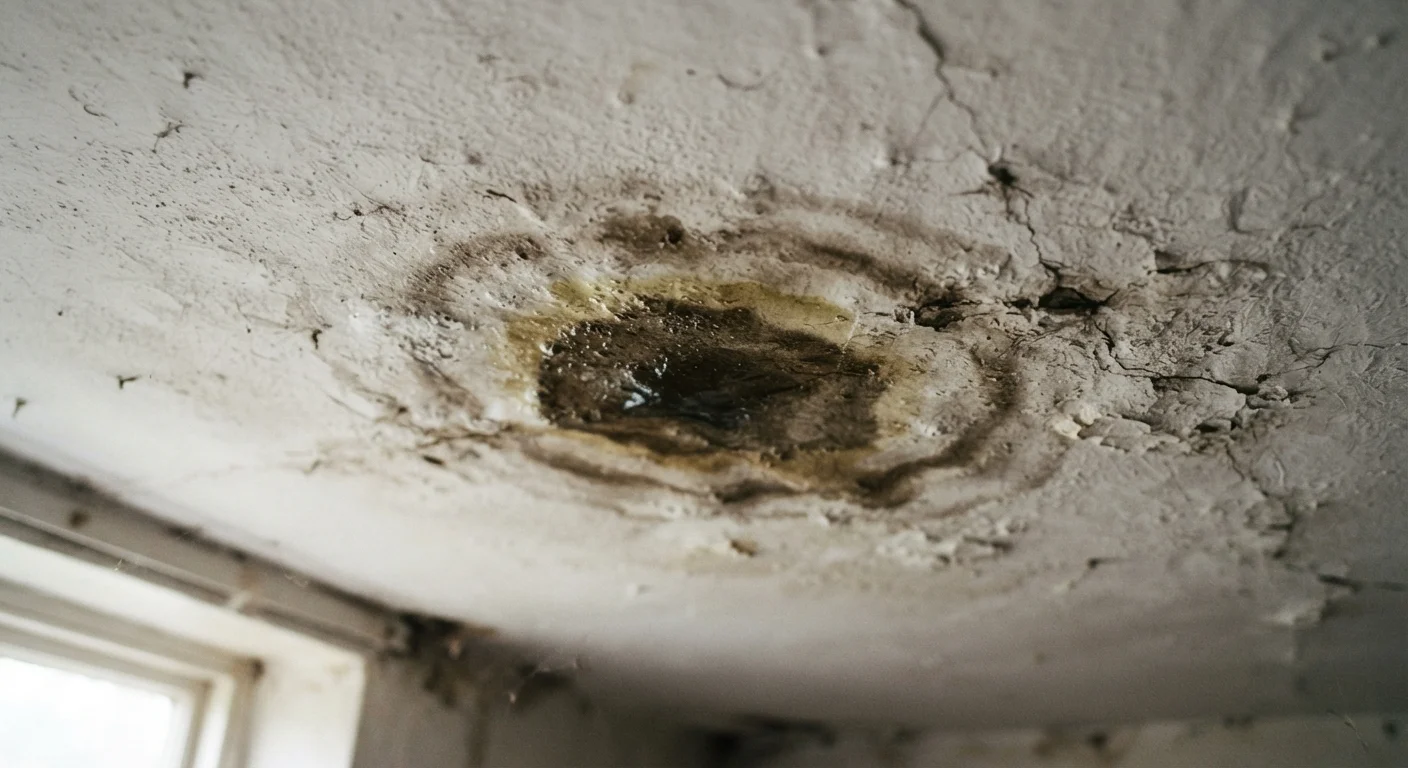
Water travels. It seeps along joists, soaks into insulation, pools behind drywall, and settles wherever gravity takes it - which means the visible stain on your ceiling may be several feet away from the actual source. By the time damage becomes obvious, it has usually been building for weeks or months. The good news is that most leaks leave early clues if you know where to look.
If you're new to homeownership and want to build good inspection habits from the start, our guide on things worth inspecting when you move into a new home is a practical place to begin.
10%
U.S. homes with leaks wasting 90+ gallons daily
According to the U.S. Environmental Protection Agency (EPA), about 10% of homes have plumbing leaks that collectively waste 1 trillion gallons of water nationwide each year.
24-48 hrs
Time for mold to begin growing after moisture exposure
The EPA notes that mold can begin to develop on wet building materials within one to two days, making rapid response to any water intrusion critical.
Common Mistakes That Let Leaks Spiral Out of Control
Most water damage isn't the result of a catastrophic pipe burst - it's the result of small problems being misread, minimized, or ignored. The mistakes below are genuinely common among first-time homeowners, and understanding them is the first step to avoiding them.
Assuming a water stain that has 'dried out' is no longer a problem.
Why it happens: Once the visible damp patch dries, it's easy to assume the source has resolved itself - perhaps a one-time overflow or a window left open in rain.
Painting over damp walls or ceilings without fixing the underlying source.
Why it happens: Fresh paint makes a room look repaired, and it's a much cheaper short-term fix than calling a plumber or roofer.
Ignoring slow drips from faucets, showerheads, or pipe joints.
Why it happens: A slow drip seems trivial and non-urgent, especially if it's in an out-of-the-way location like a utility room or under a bathroom vanity.
Misidentifying condensation as a leak and dismissing the problem.
Why it happens: Moisture forming on the outside of a cold pipe or on a window frame looks similar to a slow leak, and homeowners often feel reassured when they identify it as 'just condensation.'
Delaying professional help because the problem seems 'too small to call a plumber.'
Why it happens: Service calls feel expensive, and there's a natural reluctance to spend money on something that isn't visibly causing major damage yet.
It's also worth knowing what's actually behind your walls before assuming a damp patch is superficial. Plumbing lines, electrical cables, and insulation all run through wall cavities, and moisture affects all of them differently. Our article on what's actually inside your walls explains what you're likely dealing with in a typical home.
Mold Can Hide Long Before You See It
Mold grows in dark, damp cavities - inside wall framing, beneath flooring, and behind tile. By the time discoloration or a musty odor becomes noticeable, the colony may already be well established. If you suspect ongoing moisture intrusion in a concealed area, consult a qualified professional rather than waiting for visible confirmation.
How to Spot Leaks Before They Become Emergencies
You don't need special equipment to catch most leaks early - just a methodical habit of looking in the right places.
- Check your water meter: Turn off every tap and water-using appliance in your home, then watch your meter for 15-30 minutes. If the reading moves, water is escaping somewhere in your system.
- Inspect under sinks monthly: Look at the cabinet floor and the pipe connections. Soft wood, discoloration, or a musty smell are all red flags.
- Feel around toilet bases: Gently rock the toilet. Any give or sponginess in the floor beneath it suggests the wax ring seal has failed and water has been seeping out.
- Look at caulking in wet areas: Cracked or shrinking caulk around tubs, showers, and sinks allows water to sneak into wall cavities where it hides for months.
- Monitor your water bill: An unexplained spike in usage - with no change in your habits - is one of the clearest signals of a hidden leak.
These checks take only a few minutes and can be built into a regular home maintenance routine. The mindset is similar to other forms of preventive upkeep: small consistent attention avoids large reactive costs. You can find more on this principle in our piece on home improvement myths that lead new owners astray.
Know When to Call a Licensed Plumber
Leaks involving supply lines inside walls, beneath concrete slabs, or near your home's main shut-off are not DIY territory for most homeowners. Working on pressurized supply lines without the right training and tools can cause significant additional damage - and in some jurisdictions, certain plumbing work requires a permit and licensed contractor. If you're unsure of the source or scope of a leak, treat it as a job for a professional.