What the Procedures Actually Involve
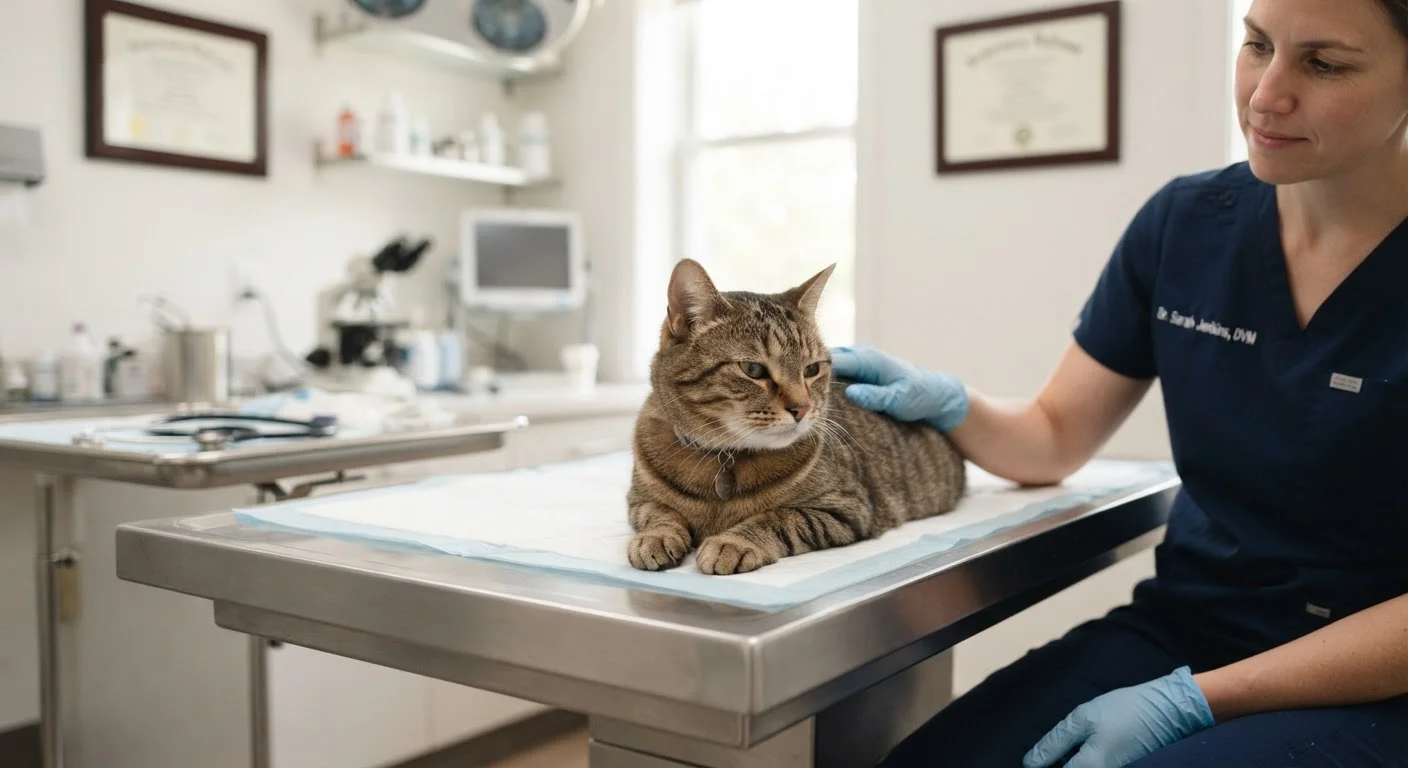
Spaying (technically called an ovariohysterectomy) is the surgical removal of a female cat's ovaries and uterus. Neutering (or castration) removes a male cat's testicles. Both procedures are performed under general anesthesia - meaning your cat is fully unconscious and monitored throughout - and typically take less than an hour in a routine case.
Recovery for most cats is straightforward. Males often bounce back within a couple of days; females may need five to seven days before returning to normal activity. Your vet will provide specific aftercare instructions, including how to keep the incision site clean and when to return for a follow-up check.
If you're preparing for your cat's first vet appointment, our guide to the first vet visit covers what to bring and which questions are worth raising.
Terminology Note: Neuter vs. Spay
In everyday use, "neutering" often refers specifically to males, while "spaying" refers to females. However, "neuter" can technically describe sterilization in either sex. Your vet will use the precise clinical term for the procedure they're recommending. If you're ever unsure what a term means, it's always fine to ask for clarification.
The Case For: Key Benefits
There are several well-documented reasons most veterinarians recommend these procedures, particularly for cats who go outdoors or live in households with cats of both sexes.
Reduces risk of certain cancers
Spaying before the first heat cycle significantly lowers the risk of mammary (breast) cancer in female cats. Neutering eliminates the risk of testicular cancer in males entirely.
Eliminates heat cycles and related behaviors
Unspayed female cats go into heat repeatedly and may vocalize loudly, attract male cats, and become restless. Spaying stops these cycles altogether.
Reduces roaming and fighting in males
Intact male cats are strongly driven to roam in search of mates, which increases the risk of road accidents and injuries from fights with other cats.
Prevents uterine infections (pyometra)
Pyometra is a potentially life-threatening uterine infection that can affect unspayed females. Spaying removes this risk entirely since the uterus is no longer present.
May reduce urine spraying in males
Territorial urine spraying is primarily driven by hormones. Neutering before sexual maturity reduces - though doesn't always eliminate - this behavior.
It's also worth noting that population control is a significant practical consideration. Unspayed female cats can become pregnant as early as four months old, and a single unmanaged cat can contribute to many litters over her lifetime - adding to the number of cats that end up in shelters.
The Case Against: Drawbacks Worth Knowing
A balanced decision means looking honestly at the potential downsides alongside the benefits.
Carries standard surgical and anesthesia risks
As with any surgical procedure, there is a small risk of complications from anesthesia or infection. These risks are low in healthy cats but not zero, and increase with age or pre-existing health conditions.
Can contribute to weight gain
Altered cats tend to have a slower metabolism and may eat more if given the opportunity. Without adjustments to portion sizes and activity levels, weight gain is a real possibility post-surgery.
Permanent and irreversible
Once performed, the procedure cannot be reversed. Owners who might want to breed their cat in the future - or who are simply uncertain - should discuss the decision carefully before proceeding.
Recovery requires temporary restrictions
Your cat will need restricted movement and monitoring for several days post-surgery. For households with active or difficult-to-contain cats, managing this recovery period can be challenging.
Some of these concerns - particularly weight gain - are manageable with straightforward adjustments to your cat's diet and activity level after surgery. Others, like the surgical risk, are real but statistically low in healthy cats operated on by experienced vets. Discussing your individual cat's risk profile with your vet is the most reliable way to weigh these factors.
For perspective on how common misconceptions can cloud this kind of decision, see our article on common cat health myths.
Timing: When Is the Right Age?
The most commonly cited recommendation from veterinary organizations is to spay or neuter cats somewhere between four and six months of age - before sexual maturity but after basic development. Some shelters perform the procedure even earlier (pediatric sterilization), while some vets prefer to wait until closer to six months.
4-6 months
Commonly recommended age for sterilization
Most US veterinary organizations suggest this window as a general guideline, though individual recommendations can vary.
~86%
Reduction in mammary tumor risk when spayed early
According to veterinary research, spaying before the first heat cycle is associated with a dramatically lower risk of mammary tumors in female cats.
If your cat is already an adult and hasn't been sterilized, the procedure can still be performed safely in most cases, though pre-surgical bloodwork may be recommended to check organ function first. Age alone is rarely a barrier, but your vet will assess your individual cat's overall health before proceeding.
Timing also intersects with other care milestones. For example, vaccination schedules are often being completed around the same age. Our cat vaccinations guide explains what vaccines are typically due and when.
Questions Worth Discussing With Your Vet
No article can replace a conversation with the professional who knows your specific cat. Before your appointment, it helps to think through a few key questions:
- What is the ideal timing for my cat's age and breed? Some large or slow-maturing breeds may benefit from a slightly later window.
- What does the procedure involve at your practice? Ask about anesthesia monitoring, pain management protocols, and post-op instructions.
- What behavioral changes should I expect afterward? Understanding what's normal versus what warrants a follow-up call reduces anxiety for first-time owners.
- Are there any specific health considerations for my cat? Cats with underlying health conditions may need additional pre-surgical assessment.
If your cat is also an indoor/outdoor cat, the decision carries additional weight, since intact outdoor cats face higher risks of injury through roaming and fighting. Our overview of indoor versus outdoor cat care may help you think through that broader picture.
This article is for general informational purposes only and does not constitute veterinary advice. Always consult a licensed veterinarian for guidance specific to your cat's health and circumstances.