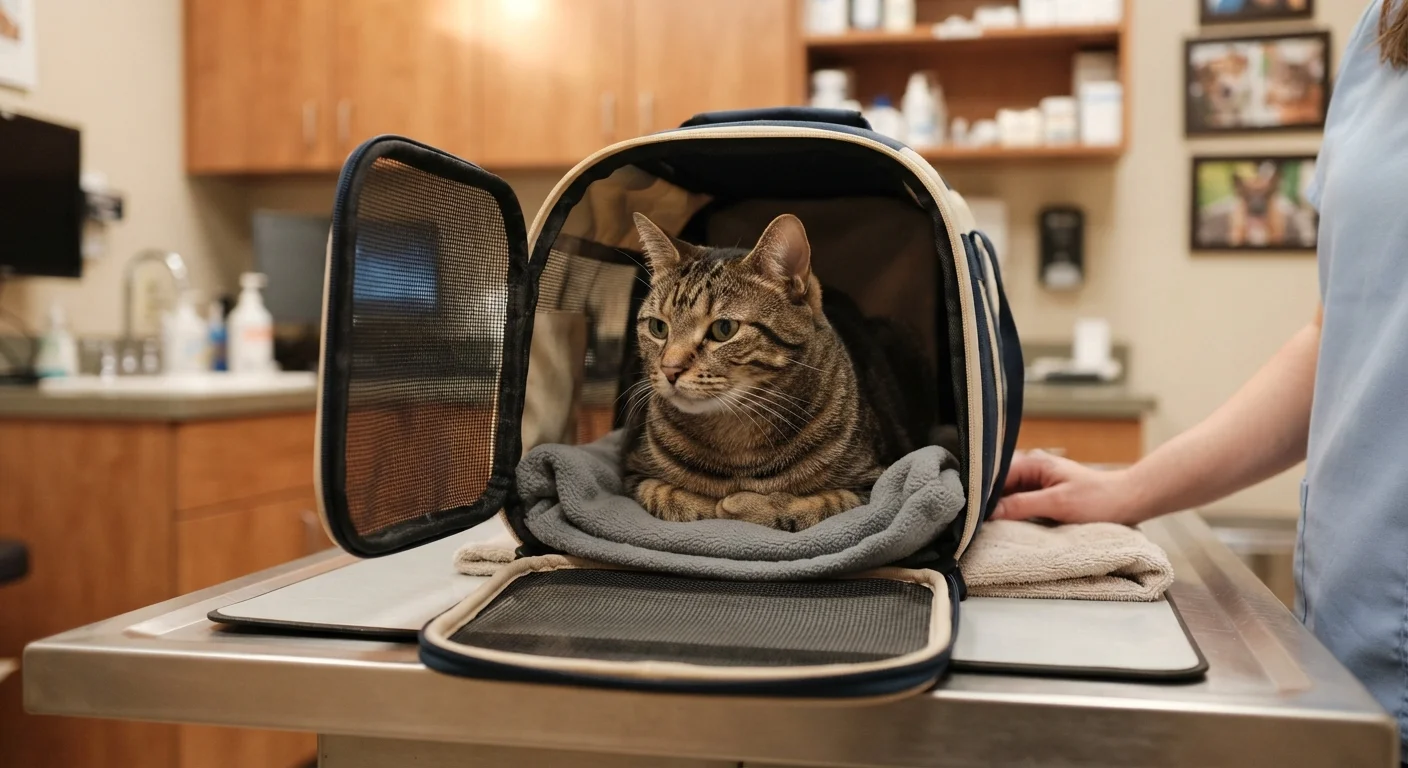
Why That First Appointment Sets the Tone
Your cat's first veterinary visit is more than a health check - it establishes a baseline for everything that follows. The vet documents your cat's weight, heart rate, body condition, and overall health so that any future changes can be measured against a known starting point. It's also your first real conversation with a professional about your specific cat's needs.
New owners often arrive underprepared - not because they don't care, but because nobody told them what to bring. This checklist fixes that. Whether your cat is a new kitten, an adult rescue, or somewhere in between, the steps below will help you walk in feeling confident rather than frazzled.
If you're also caring for a dog, it's worth reading about common first-month mistakes dog owners make - many of the same principles around early vet visits apply across species.
Don't Skip the Vet Even if Your Cat Seems Healthy
Many new owners delay the first vet visit because their cat appears fine - but cats are skilled at masking discomfort. A wellness exam can catch issues like parasites, dental problems, or early infections that aren't obvious to the untrained eye. Scheduling within the first week or two of bringing your cat home is generally the guidance most vets recommend.
What to Bring and How to Prepare
Gathering the right items beforehand prevents last-minute scrambling and gives your vet the full picture they need. Use the checklist below as your go-to preparation guide.
Secure cat carrier
Safely transports your cat to and from the clinic with minimal stress.
Stool sample container (zip-lock bag or small sealed container)
Holds a fresh fecal sample for the vet to test for intestinal parasites.
Written list of questions
Ensures you cover every topic during a fast-moving appointment.
Vaccination and health records
Gives the vet a complete picture of any care the cat has already received.
Familiar blanket or worn clothing
Placed inside the carrier to provide a calming scent during travel.
Pet insurance details
Some clinics record insurance information at check-in to streamline billing.
Paperwork and Records
Health Samples
Transport and Comfort
Your Preparation
Once your cat is home and settled into a routine, keep an eye out for subtle health signals. Our guide on symptoms new cat owners shouldn't ignore can help you tell the difference between a minor quirk and a reason to call the vet.
Questions Worth Raising With Your Vet
A good vet will invite your questions - but the visit moves quickly, and it's easy to forget what you meant to ask. Jot down anything relevant in a notes app or on paper before you leave home. Here are the topics most worth covering during a first visit:
- Vaccination schedule: Which vaccines does my cat need now, and when is the next round due?
- Parasite prevention: What's the recommended approach for fleas, ticks, and intestinal worms in my area?
- Spaying or neutering: If not already done, when is the right time and what does recovery involve?
- Diet and feeding: How much should I feed, how often, and is dry or wet food better for this cat's age and size?
- Dental health: When should I start brushing, and what signs of dental trouble should I watch for?
- Microchipping: Is it done, and how do I register or update the chip details?
- Behaviour concerns: Note any hiding, aggression, litter-box issues, or unusual habits - even small things are worth mentioning.
Keeping your cat's coat and nails in good shape between visits also matters. See our practical tips on grooming your cat without the drama for techniques that work even for reluctant cats.
This Article Is General Information, Not Veterinary Advice
The guidance here is designed to help you prepare for your appointment - it is not a substitute for professional veterinary care. Every cat is different, and your vet is the right person to make decisions about your specific animal's health, vaccinations, and treatment. If your cat shows signs of distress, illness, or injury, contact a licensed veterinarian promptly.