What to Prepare Before Your Dog Arrives
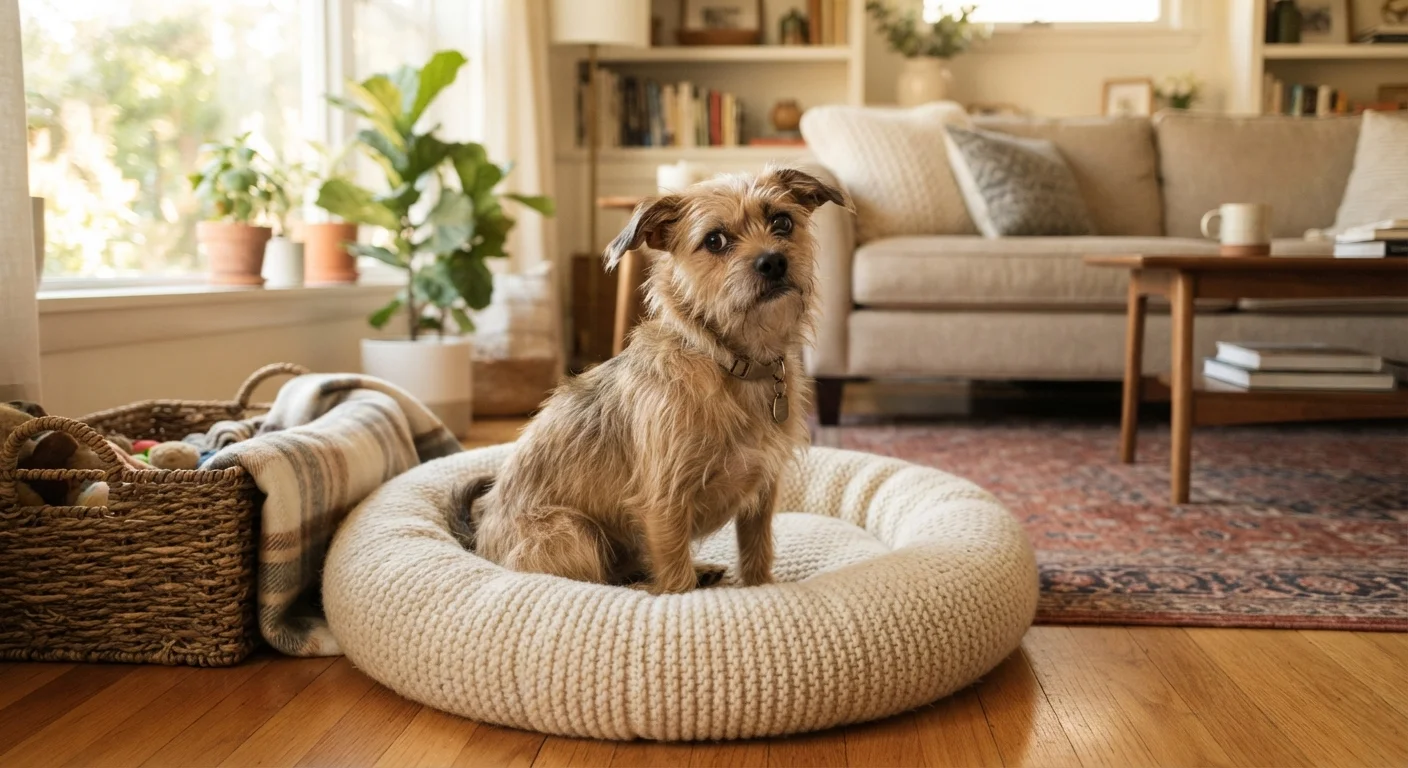
The groundwork you lay before your dog walks through the door shapes how smoothly that first week unfolds. Before arrival, designate a quiet corner or room as the dog's initial space - somewhere with a bed, water bowl, and access to a bathroom area. Limit early access to the whole house while your dog finds its footing.
Our new dog owner checklist walks through the supplies and space preparations worth completing ahead of time, including food, ID tags, and a crate if you plan to use one. Having these in place before arrival means your first hours together are calm rather than scrambled.
Decompression period
The adjustment phase - often several days to a few weeks - during which a dog settles into a new environment, gradually lowering stress and building trust.
Crate training
Teaching a dog to view a crate as a comfortable, safe resting space, which supports house training and reduces anxiety when the dog needs to be alone.
House training
Teaching a dog where and when it is appropriate to eliminate (go to the bathroom), usually outside or in a designated indoor spot.
Routine
A consistent daily schedule of feeding, walks, bathroom breaks, and sleep that helps a dog predict what happens next and feel secure in its environment.
Socialization
The process of gradually exposing a dog to different people, animals, sounds, and environments so it learns to respond calmly rather than with fear or aggression.
The First 24 Hours: Keeping Things Calm
When you first bring your dog home, resist the urge to introduce them to everyone at once. A quiet environment with minimal visitors is far less stressful for a dog encountering a new space. Let your dog sniff around at their own pace. Avoid hovering, but stay nearby so they know you're present.
Take your dog outside on leash to the bathroom area shortly after arriving - travel can disrupt bladder habits. Then show them their sleeping space and water bowl without fanfare. Keep the first evening low-key: soft voices, no loud TV, no crowds. This single decision - a calm first day - does more for your dog's adjustment than almost anything else you'll do all week.
Let Your Dog Lead the Pace
In those first hours, follow your dog's cues rather than your instinct to engage. If the dog sits quietly in a corner, sit nearby and read a book. If the dog explores, let them sniff without interruption. Allowing the dog to set the pace of interaction builds trust faster than forced affection.
Common Behaviors You'll See in Week One
New dogs display a predictable range of behaviors as they decompress. Understanding these as normal signals - not problems - keeps first-time owners from overreacting or intervening unnecessarily.
- Hiding or retreating: Many dogs, especially those from shelters, retreat under furniture or into corners. This is self-soothing behavior. Allow it.
- Whining or vocalizing at night: Sleeping in a new place triggers anxiety in most dogs. A worn t-shirt with your scent near the sleeping area can help.
- Reduced appetite: Skipping meals in the first 24-48 hours is common. Maintain a feeding schedule and avoid switching foods mid-transition.
- Exploratory chewing: New environments trigger curiosity. Keep valuables out of reach and offer appropriate chew toys as an outlet.
- House training setbacks: Even previously trained dogs may have accidents when adjusting. Respond with patience, not punishment.
If you adopted from a shelter, behavioral changes during the transition period are especially expected. For a different perspective on how this compares to bringing home a cat, see what the first week with a new cat looks like.
Building Routine From Day One
Dogs are highly routine-dependent animals. A predictable daily structure - meals at the same times, bathroom trips on a regular schedule, consistent sleep arrangements - communicates safety more clearly than affection alone. Start your routine on day one, even if it feels premature.
A basic daily framework might look like: morning walk and meal, midday bathroom break, afternoon rest, evening meal and walk, nighttime bathroom trip before bed. The specifics matter less than the consistency. Dogs learn quickly when events happen reliably.
Avoid the temptation to bend all the rules in the first week to make the dog feel welcome. Rules introduced early are far easier to maintain than ones added after the dog has learned otherwise. Our guide on common mistakes first-time dog owners make covers why inconsistent rules in week one tend to cause the most problems.
The 3-3-3 Rule Is a Useful Benchmark
Many dog trainers and shelter staff refer to the '3-3-3 rule' as a rough guideline: three days for a dog to begin feeling less overwhelmed, three weeks to learn a household routine, and three months to truly feel at home. Individual dogs vary widely, but this framework helps set realistic expectations for the adjustment period.
When to Call the Vet
Schedule a veterinary visit within the first week if at all possible, even if your dog came with health records. A vet can verify vaccination status, screen for intestinal parasites (common in newly adopted dogs), and flag any concerns you might not have noticed. This visit also establishes a baseline that becomes valuable later.
Contact a vet promptly - without waiting - if you notice any of the following: vomiting or diarrhea lasting more than 24 hours, complete refusal to eat beyond 48 hours, significant lethargy, labored breathing, signs of pain, or any visible injury. These can indicate something beyond normal adjustment stress.
As your dog settles in beyond week one, early socialization becomes a key priority. Our article on socializing a young dog explains why the early weeks are a critical window for shaping your dog's temperament around people, other animals, and new environments.
This article is for general informational purposes only and is not a substitute for professional veterinary advice. Always consult a licensed veterinarian for guidance specific to your dog's health and circumstances.