Why Small Pets Are a Great Starting Point
Small pets - a category that includes guinea pigs, hamsters, gerbils, mice, rats, rabbits, and chinchillas - are often chosen by first-time owners because they require less space and time than a dog or cat. That reputation is partly earned, but it can also mislead. These animals still have real behavioral, dietary, and environmental needs that must be met consistently.
The genuine advantage is scale. A smaller animal means a smaller habitat, lower food costs, and a more manageable daily routine. If you live in a rented home or shared space, small pets are often a practical option - something our guide to keeping small pets in rented homes covers in detail. The key is going in informed rather than assuming 'small' means 'low effort.'
Exotic animal vet
A veterinarian with training and experience treating animals beyond the typical dog and cat - including small mammals like guinea pigs, rabbits, and chinchillas. Not all general vet practices offer this.
Enrichment
Objects and activities added to an animal's environment to encourage natural behaviors like foraging, burrowing, and exploring. Enrichment supports mental and physical wellbeing.
Spot-cleaning
Removing soiled bedding, uneaten fresh food, and waste from an enclosure daily, without doing a full cage refresh. It keeps conditions hygienic between full weekly cleans.
Prey species
An animal that is hunted by other animals in the wild. Prey species instinctively hide signs of illness or weakness, which means health problems can be hard to detect until they are serious.
Bedding
The absorbent material placed on the floor of a small animal's enclosure. It provides comfort, absorbs urine, and supports natural burrowing behavior. Common types include paper-based and aspen wood shavings.
Choosing the Right Species for Your Lifestyle
Before thinking about supplies, think honestly about your schedule, household, and expectations. Ask yourself: Are you a morning person or a night owl? Guinea pigs and rabbits are active during the day; hamsters and gerbils are most lively in the evening and night. Do you want a pet that enjoys being held, or one you primarily watch? Rats tend to be interactive and curious; mice are more skittish. Do you travel or work long hours? Some species cope better with brief periods of lower interaction than others.
Social needs matter just as much as your own schedule. Guinea pigs, for instance, are highly social animals that generally do better in pairs - a lone guinea pig can become stressed or depressed. Hamsters, on the other hand, are usually solitary. Getting this wrong from the start creates welfare problems that are hard to fix later. Our companion article on guinea pigs, gerbils, and chinchillas covers species-specific quirks in more depth.
Research Before You Shop
It can be tempting to buy a cage and supplies the moment you decide you want a small pet. Resist that urge until you've settled on a specific species - enclosure sizes, bedding types, and dietary needs vary significantly. Buying the wrong setup costs more in the long run and may need to be replaced entirely.
Setting Up a Safe, Comfortable Home
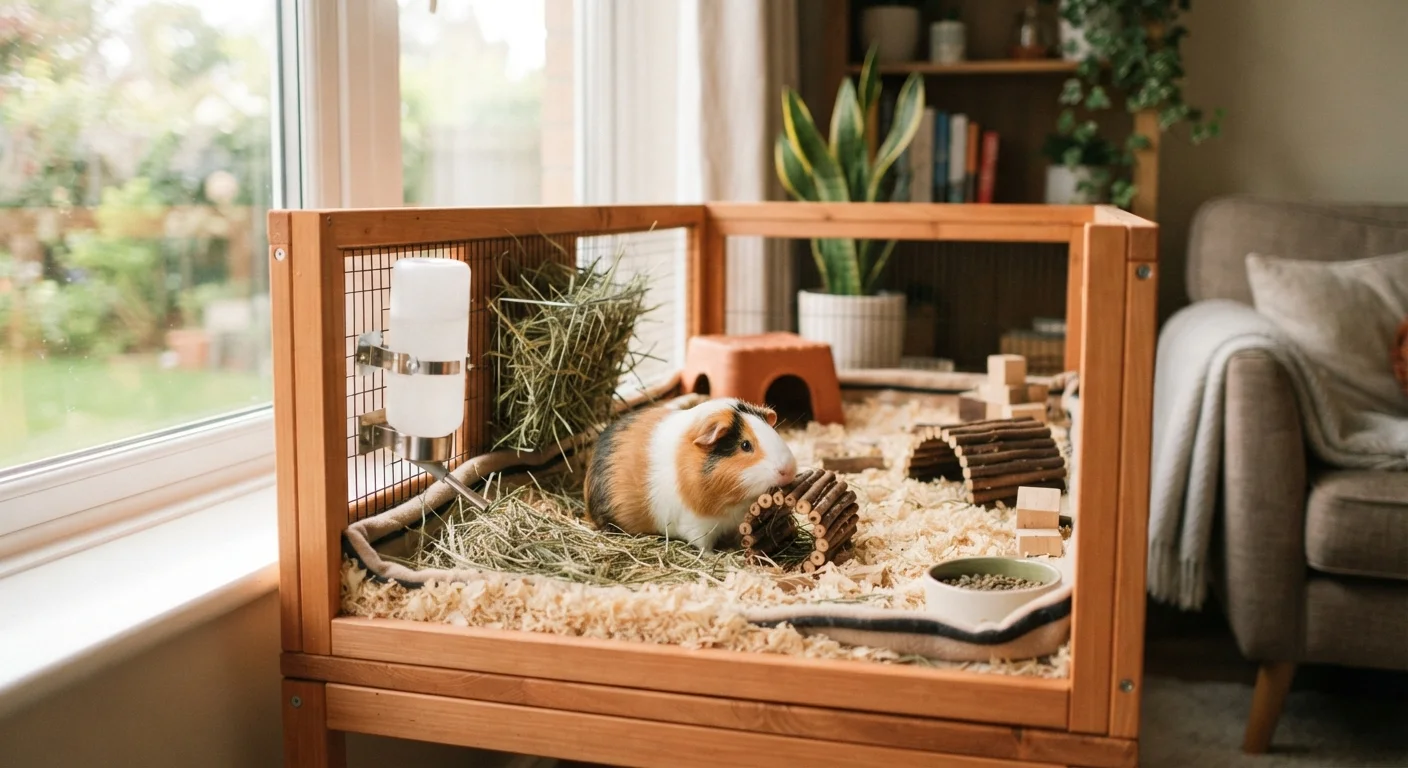
Habitat setup is where many new owners underestimate what their pet actually needs. The enclosure should be sized generously - research the minimum recommended dimensions for your chosen species and then aim larger. Wire-bar cages suit many small mammals; aquarium-style tanks work for some but can trap ammonia from urine if ventilation is poor.
Bedding choice matters for both comfort and health. Paper-based or aspen wood shavings are commonly used and considered safe for most small mammals. Cedar and pine shavings contain aromatic oils that can irritate respiratory tracts and are best avoided. Add enrichment items - tunnels, hideouts, climbing structures, and chew toys - so your pet can express natural behaviors. Temperature stability is also critical; most small mammals do poorly in drafts, direct sunlight, or temperatures above 80°F.
Before your pet arrives, use our preparation checklist to confirm everything is in place. It's also worth understanding what small pets cost beyond the initial purchase so setup expenses don't catch you off guard.
Avoid Cedar and Pine Shavings
Cedar and pine wood shavings are widely sold in pet stores but contain aromatic compounds that can irritate or damage a small animal's respiratory system over time. Opt for paper-based bedding or kiln-dried aspen shavings instead. When in doubt, ask your exotic animal vet what they recommend for your specific species.
Daily Care Essentials Every Owner Needs to Know
A consistent daily routine is the foundation of small pet welfare. At minimum, this means fresh water and species-appropriate food every day, plus a quick visual check of your pet's behavior and condition. Most small mammals eat a combination of formulated pellets and fresh foods - but the specific balance varies by species. Rabbits and guinea pigs need unlimited grass hay as the bulk of their diet; hamsters eat a seed-heavy mix supplemented with small amounts of fresh vegetables.
Spot-cleaning - removing soiled bedding and uneaten fresh food - should happen daily to prevent ammonia buildup and bacterial growth. A full cage clean, where all bedding is replaced and surfaces are wiped down, is typically needed weekly. Keeping a simple log of what your pet eats and how it behaves helps you notice changes early, which is especially important for animals that naturally hide signs of illness.
Vet Care and Watching for Health Changes
Finding the right vet before your pet comes home is one of the most practical steps you can take. Not all veterinary practices see small exotic mammals, so look specifically for a clinic with experience in your species - often listed as an 'exotics' or 'small mammal' practice. Schedule a wellness exam within the first few weeks of ownership to establish a baseline health record.
Small animals are prey species, which means they instinctively mask signs of weakness. By the time illness is obvious, it may be advanced. Pay attention to subtle shifts: a guinea pig that isn't eating its hay, a gerbil that seems hunched, or droppings that change in size or consistency. If something seems off, contact your vet rather than waiting to see if it resolves on its own.
If you're also weighing other types of pets, our cat care basics hub and dog care basics hub outline what those commitments involve, so you can compare before deciding.
This article provides general educational information about small pet ownership and is not a substitute for professional veterinary advice. Always consult a qualified veterinarian for guidance specific to your pet's health and care needs.