Where Packing Myths Come From
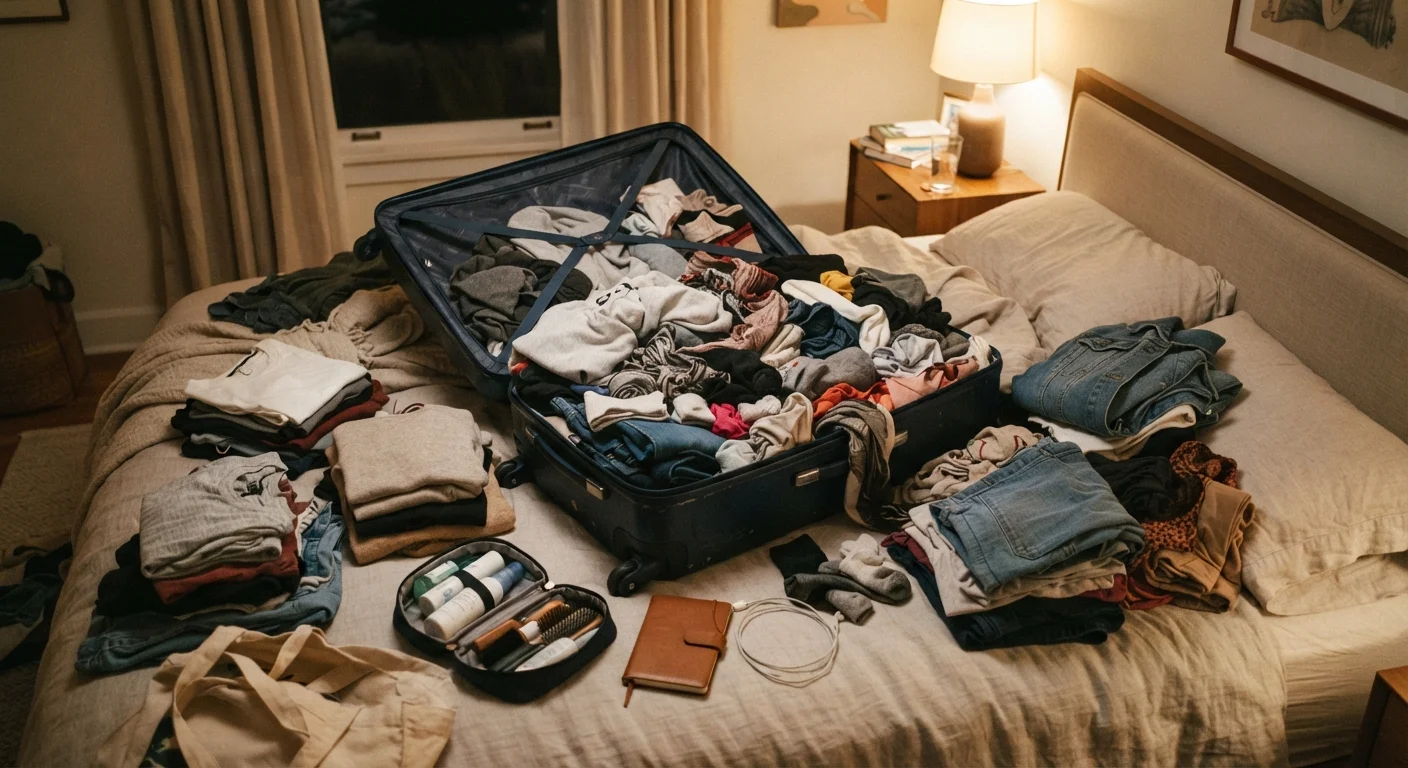
Packing anxiety is nearly universal among first-time travelers, and it tends to produce the same result: a bag that weighs more than it should and a traveler who still feels underprepared at the gate. Most of that anxiety is driven not by genuine need but by a handful of widely repeated beliefs that sound sensible on the surface.
Understanding where these myths come from - and why they don't hold up - is the fastest way to pack smarter. If you want to dig into the underlying thinking patterns behind overpacking, this guide on overpacking psychology is a useful companion to what follows.
Myth
"I might need it" is a good enough reason to pack something.
Fact
Possibility is not the same as probability. Packing for every scenario creates a bag built for no trip in particular.
The "might need it" logic is appealing because it feels cautious, but it has no natural limit. Applied consistently, it justifies packing formal shoes for a hiking trip or a full first-aid kit for a hotel stay in a major city. Most destinations - including smaller towns and international ones - have pharmacies, convenience stores, and supermarkets where forgotten or low-probability items can be bought if needed. The risk of going without is usually much lower than it feels during packing.
Myth
Packing more means you'll be prepared for anything that comes up.
Fact
A heavier bag creates its own problems - fatigue, fees, and slower movement - that outweigh most "what if" scenarios.
Preparedness and volume are not the same thing. A bag so heavy it causes physical strain, triggers airline overweight fees, or forces you to take taxis instead of walking is a burden, not a safety net. Experienced travelers tend to find that a lighter, well-chosen bag makes them more adaptable, not less - they move faster, board first, and spend less time managing luggage. Overpacking is one of the most common first-trip mistakes, and recognizing this myth is the first step toward avoiding it.
Myth
Rolling clothes or using packing cubes means you can fit everything in.
Fact
Organisation techniques compress and sort - they don't multiply available space.
Rolling and packing cubes are genuinely useful tools for keeping a bag tidy and reducing wrinkles, but they are often misunderstood as a workaround for overpacking. A bag that is over its weight limit with folded clothes will generally still be over its weight limit with rolled clothes. The value of these methods is efficiency and order, not capacity expansion. Compare the most common organisation methods to understand what each one actually delivers.
Myth
You need a separate outfit for every single day of the trip.
Fact
Most travel clothing can be worn more than once, and many destinations offer laundry facilities or services.
The one-outfit-per-day rule assumes that clothes can only be worn once - a standard that most travelers quietly abandon within days of arriving. Selecting versatile, mix-and-match pieces that can be layered or re-worn significantly reduces clothing volume without sacrificing comfort. On longer trips, access to laundry is often easier than travelers expect, whether through hotel services, laundromats, or hand-washing basics in a sink. Planning even one laundry stop mid-trip can cut clothing weight in half.
Myth
Last-minute packing is fine because you always remember everything in the end.
Fact
Last-minute packing consistently produces forgotten essentials and poor decisions under time pressure.
Memory under deadline stress is unreliable. Items packed in a rush are often duplicated, misplaced, or swapped for the wrong version (the wrong charger adapter, for example). A written packing list prepared days before departure is a straightforward remedy that costs almost no time and reliably reduces both forgotten items and pre-departure panic. It also naturally limits overpacking by making every item a deliberate decision rather than a panicked grab.
Myth
Carry-on size and liquid rules are loosely enforced, so the limits don't really apply to you.
Fact
Enforcement varies but is real - passengers are turned back at security or charged at the gate when they exceed limits.
Many travelers pack carry-ons slightly over the limit and get through without issue - but this inconsistency creates a false sense of safety. Airlines and airports enforce size and liquid restrictions selectively, not never. A bag that passed unchecked on one flight may be gate-checked with a fee on the next. Liquids that exceed the standard 3.4 oz (100 ml) per container rule are routinely confiscated at security, regardless of their value. Verifying the specific rules for your airline and route before you travel is the only reliable approach.
The Myths That Actually Cost You
The myths below are the ones that show up most consistently when travelers reflect on what went wrong with a packed bag. Each one feels protective in the planning stage - and becomes a burden the moment you lift your luggage.
Airline Rules Differ - Always Verify
Carry-on size limits, liquid rules, and baggage allowances vary between airlines, routes, and even ticket classes. What applies on one carrier may not apply on another. Always check the specific policies for your booking before you pack - and do so close to your departure date, as policies can change.
Working through a structured packing list before you travel is one of the most effective ways to challenge these beliefs in real time. Learn how to build one that works before your next trip.
Once you've corrected the myths, the practical next step is building repeatable habits. These are the habits experienced travelers rely on to make every departure calmer.
What Smart Packing Actually Looks Like
Correcting these myths doesn't mean you have to travel with almost nothing. It means being intentional about what earns a place in your bag. Start with the activities you've actually confirmed on your itinerary, not the ones you're vaguely imagining. Pack for that trip - not every possible version of it.
The "Just In Case" Test
Before adding any item to your bag, ask: "Do I have a specific, confirmed plan to use this?" If the honest answer is "not really, but I might," that item is probably driven by anxiety rather than need. Leaving it behind is almost always the right call - and most things you might need can be sourced at your destination.
One practical check: before closing your bag, ask whether each item serves a confirmed purpose or is simply reducing a hypothetical worry. If it's the latter, it's a candidate to leave behind. For an honest look at the trade-offs of traveling lighter - including its real drawbacks - see this balanced overview of packing light.
And if carry-on restrictions are part of your planning, verify the specific rules for your airline and route rather than assuming general guidelines apply. A plain-language reference on carry-on rules can prevent an unwelcome surprise at the security checkpoint.