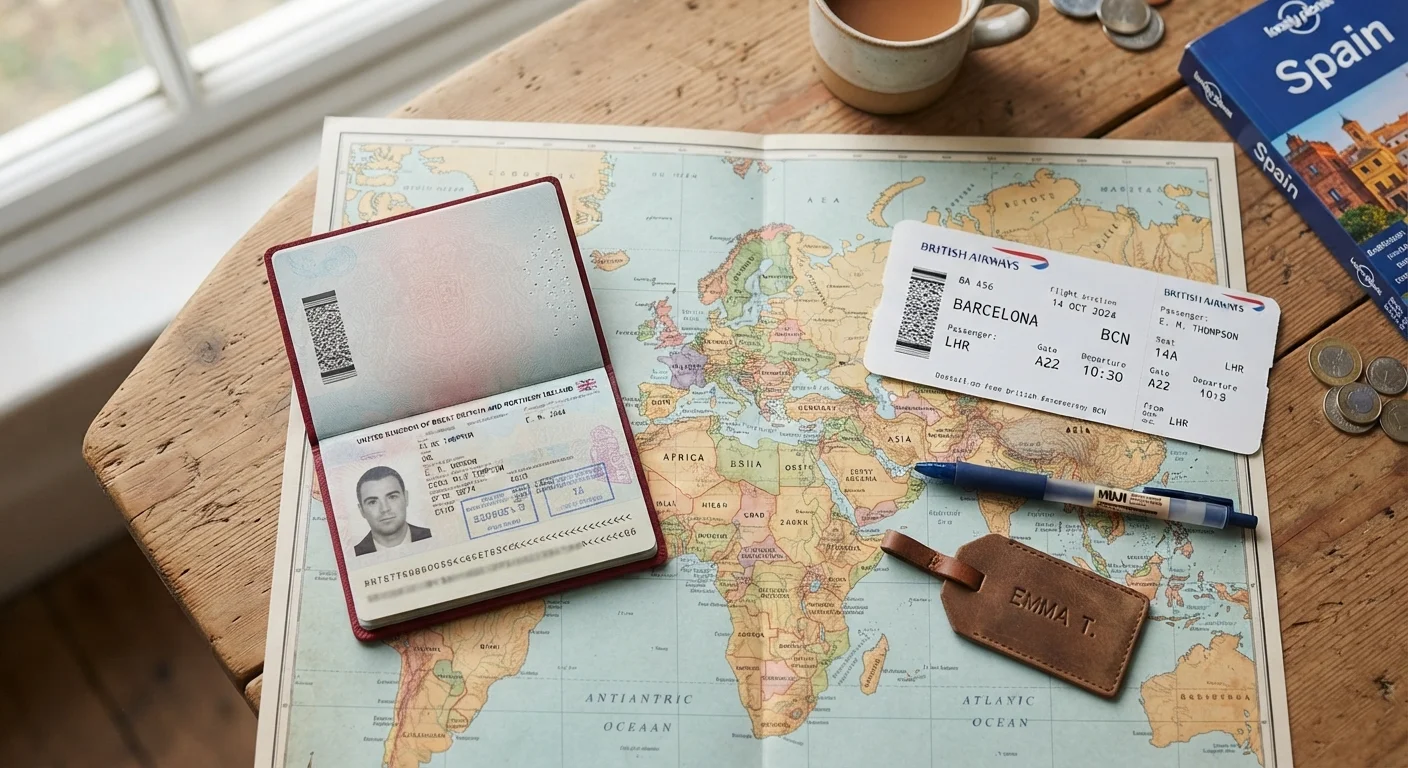
What Your Passport Actually Does
Your passport is your primary identity and citizenship document when crossing international borders. Without it, you generally cannot board an international flight or enter a foreign country. It tells border officials who you are, which country issued your travel rights, and when the document expires.
Before planning any trip, check two things: that your passport is not expired, and that it has enough remaining validity. Many countries require your passport to be valid for at least six months beyond your planned return date - not just the date you arrive. If your passport expires sooner than that, you may be denied boarding or entry even though the document is technically still valid on departure day.
Also check that you have enough blank pages. Border stamps take up space, and some countries require one or two empty pages to admit you. If yours is running low, you can request additional pages or renew early.
For tips on how to store and back up your passport safely, see our guide on passport backup strategies.
Visas: When You Need One and What to Expect
A visa is permission - granted by a foreign government - to enter their country. Whether you need one depends entirely on your passport's nationality and where you are going. There is no universal rule.
Visa-free access means citizens of certain countries can enter without applying for a visa in advance, usually for short tourist stays. Visa on arrival means you can get the permission stamp at the airport when you land - but you must confirm eligibility before you fly, since being turned away mid-journey is both disruptive and costly. eVisas and electronic travel authorizations (eTAs) are pre-approved permissions processed online before departure; some countries have replaced traditional visa stickers entirely with these digital systems.
When a visa is required in advance, you typically apply through the destination country's embassy or consulate. The process involves forms, a fee, passport photos, and sometimes supporting documents like bank statements or a confirmed itinerary. Processing can take days or weeks, so build this into your planning timeline.
Once you have your documents sorted, use our pre-departure checklist to confirm everything else is in order before you leave home.
How to Look Up Entry Requirements for Your Trip
Entry requirements are not one-size-fits-all. They vary by your nationality, your destination, your purpose of travel (tourism, business, study), and sometimes even how you arrive. Here is a practical process for looking them up:
- Start with your own government's travel site. For U.S. travelers, that is the State Department's travel website. It provides country-by-country entry requirements, safety advisories, and visa information filtered for American passport holders.
- Check the destination country's official immigration or consular website. This is the authoritative source for what that country actually requires.
- Contact the nearest embassy or consulate of the destination country if you have specific or unusual circumstances - dual nationality, a prior visa denial, or a criminal record can all affect eligibility.
- Confirm well in advance. Visa applications, especially those requiring an in-person appointment, can take longer than expected. Give yourself a minimum of several weeks, ideally more.
For a fuller picture of which travel documents to carry and how to organize them, read our article on travel document essentials. And once documents are handled, our international packing checklist can help you prepare everything else for your trip.
This article provides general travel information only. Entry requirements change frequently - always verify current rules with official government sources before booking or departing.