What You're Actually Choosing Between
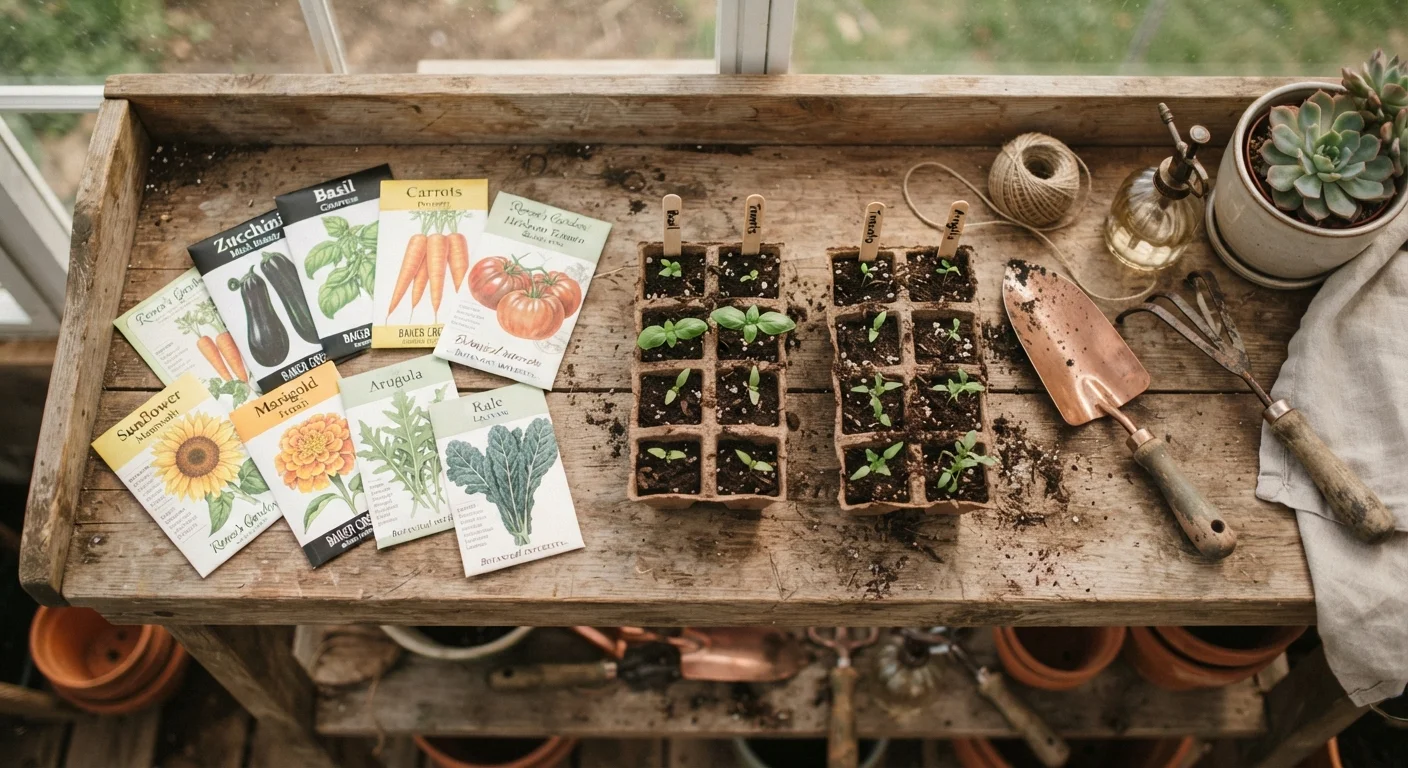
When you decide to grow a vegetable or flower, you face an early fork in the road: start from a tiny seed, or buy a young plant - called a seedling or transplant - that's already several weeks old. Both paths lead to the same destination, but the journey looks very different.
Growing from seed means you control everything from the very beginning. You plant a seed in trays or soil, keep it warm and moist, and wait for germination (the moment the seed sprouts). Buying seedlings means someone else has done that work for you. You purchase a small plant, harden it off (gradually introducing it to outdoor conditions), and plant it in your garden.
Neither approach is inherently superior. The right choice depends on factors like your available time, your budget, the specific crops you want to grow, and how much space you have to nurture seedlings indoors. For a broader picture of how these decisions fit into the growing calendar, see The Gardening Year for a season-by-season overview.
How the Two Methods Compare
The differences between seeds and seedlings show up across several practical dimensions - cost, convenience, variety, and timing. The table below summarizes the key contrasts at a glance.
| Criterion | Growing from Seeds | Buying Seedlings |
|---|---|---|
| Cost per plant | Very low | Higher |
| Time to harvest | Longer (full season) | Shorter (weeks ahead) |
| Variety selection | Extensive | Limited to nursery stock |
| Beginner difficulty | Moderate to high | Low |
| Equipment needed | Trays, mix, grow lights | Minimal |
| Best for root crops | Yes (only real option) | No |
| Risk of failure | Higher (germination stage) | Lower |
One dimension worth expanding on is crop suitability. Certain plants strongly prefer to be sown directly into the ground rather than transplanted. Carrots, beets, parsnips, radishes, beans, peas, and most root vegetables fall into this category - disturbing their roots during transplant stresses them badly. For these crops, seeds aren't just cheaper; they're the correct method. Tomatoes, peppers, broccoli, and most herbs, on the other hand, benefit from being started early indoors as seeds or purchased as seedlings.
The Real Cost of Starting from Seed
Seeds are dramatically cheaper on a per-plant basis. A single packet might contain 50-200 seeds and cost a few dollars, while a six-pack of seedlings at a garden center can cost a similar amount for just six plants. At scale, the savings are substantial.
However, seeds are not free to grow. Starting seeds indoors - which is necessary for slow-maturing crops like tomatoes and peppers in most US climates - requires:
- Seed-starting trays or small pots
- Seed-starting mix (a fine, sterile growing medium - not regular garden soil)
- A reliable light source, since a windowsill alone rarely provides enough intensity for strong seedlings
- Time and attention for watering, thinning, and troubleshooting
If you're starting from scratch with none of this equipment, the initial outlay narrows the cost gap considerably. That said, trays and lights are reusable season after season, so the investment pays off over time.
~10-20×
Cost difference per plant: seeds vs. seedlings
A general estimate based on typical seed packet yields compared to individual transplant pricing at garden centers - exact figures vary by crop and region.
6-8 weeks
Typical indoor head start for tomatoes
Most cooperative extension services recommend starting tomato seeds indoors 6-8 weeks before the last expected frost date in your area.
Before you commit to starting from seed, it's worth knowing how to read what's on the packet. Our guide on reading a seed packet decodes every term and symbol so you understand germination windows, spacing requirements, and sowing depth before you plant.
When Seedlings Make More Sense
For first-time gardeners, buying seedlings has a quiet but meaningful advantage: it removes the most failure-prone stage of growing. Germination failure - caused by temperature fluctuations, overwatering, underwatering, or poor light - is one of the most common reasons beginners give up. A seedling has already cleared that hurdle.
Seedlings also let you start small without waste. If you only want two tomato plants and three pepper plants, buying those exact seedlings makes far more sense than purchasing full packets of each seed and managing a tray of a dozen or more plants.
Hardening Off: Don't Skip This Step
Whether you grew your seedlings indoors or bought them from a nursery, they need time to adjust to outdoor conditions before being planted. This process - called hardening off - involves setting them outside for progressively longer periods over 7-10 days. Skipping it can cause transplant shock, where plants wilt or stall even in otherwise ideal conditions.
The main drawback is variety. Nurseries stock what sells quickly - often a handful of popular cultivars. If you want a specific heirloom tomato or an unusual basil variety, you'll need to grow from seed. If seedling struggles do arise after transplanting, Why Your Seedlings Keep Dying walks through the most common causes and fixes.
Whichever starting method you choose, the next decision - where to actually plant - matters just as much. Raised beds vs. in-ground planting is another practical comparison worth reading before you put anything in the ground.