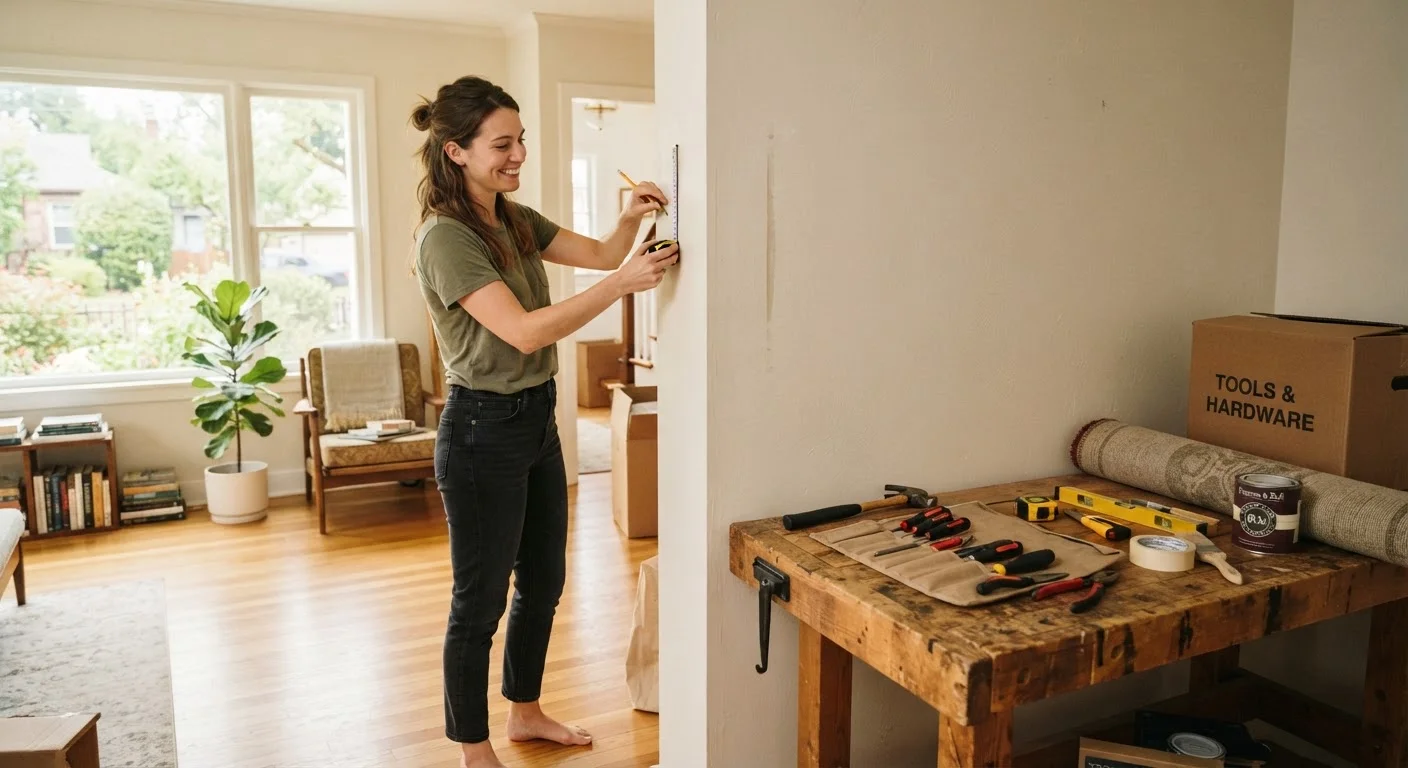
What Home Improvement Actually Means
For many new homeowners, "home improvement" conjures images of dramatic renovations - torn-out kitchens, new flooring, fresh exteriors. But in practice, it spans a much wider range: from routine maintenance that keeps a house functioning, to cosmetic updates that make a space feel like yours, to structural or system upgrades that add long-term value.
Understanding that spectrum matters from day one. Maintenance is non-negotiable - things like checking smoke detectors, clearing gutters, and re-caulking windows prevent small issues from becoming expensive ones. Repairs are reactive, fixing what breaks. Improvements are proactive, upgrading what already works.
If some of the terminology feels foreign - terms like load-bearing wall, R-value, or rough-in - you're not alone. The home repair glossary for new owners is a useful plain-language reference to bookmark early.
Setting Realistic Expectations from Day One
One of the most common early frustrations for new homeowners is discovering that projects take longer, cost more, or uncover more problems than anticipated. That's not a failure - it's the nature of homes, which are complex systems built over time by many different hands.
A commonly cited planning benchmark is budgeting around 1% of your home's value annually for maintenance and repairs, though this varies considerably with home age and condition. Think of it as a rough baseline for planning rather than a precise forecast.
Don't Skip the Contingency Budget
Projects that open up walls, floors, or ceilings often reveal hidden issues - outdated wiring, water damage, or inadequate insulation. Without a financial buffer, these discoveries can stall a project entirely. A contingency of 10-20% on top of your estimated project cost is a practical habit most experienced homeowners adopt early.
Timelines tend to stretch, too. A weekend project can easily extend when you discover an underlying issue - a leaky pipe behind a wall tile, or old wiring not up to current code. Building flexibility into both your schedule and your budget cushions the reality of home ownership considerably.
Also worth noting: a well-maintained home is easier to organize and live in. Our article on organizing your home from day one covers how to set up a functional, clutter-free space in parallel with maintenance habits.
The Basic Skills Every Homeowner Should Build
You don't need to become a general contractor. A focused set of skills carries you through the vast majority of everyday home repairs - and builds genuine confidence over time.
- Patching drywall: Small holes from nails or doorknobs are among the most common cosmetic repairs. Drywall compound, a putty knife, and sandpaper handle most of them.
- Caulking: Re-sealing around tubs, windows, and doors prevents moisture intrusion and improves energy efficiency. It's low-cost and beginner-friendly.
- Unclogging drains: A drain snake or plunger resolves most simple clogs. Knowing where your main shutoff valve is can prevent significant water damage when something goes wrong.
- Fixing running toilets: Most involve a worn flapper or fill valve - replaceable parts that require no special skills and minimal cost.
- Basic painting: Proper surface prep, quality painter's tape, and a steady hand produce results that transform rooms without professional help.
Good tools underpin all of these. The essential hand tools every new homeowner should understand goes deeper on the core toolkit worth assembling early.
Start a Home Binder or Digital Folder
From your first week, keep records of appliance manuals, paint colors used in each room, contractor invoices, and any permits pulled. This simple habit saves significant time when repairs are needed and is genuinely useful if you ever sell the home.
Knowing When to Call a Professional
Part of being a capable homeowner is knowing the boundaries of safe DIY work. Some tasks are straightforward and beginner-appropriate. Others carry real risks - to your safety, your home's structure, or your legal standing - if performed without proper training or permits.
As a general rule, licensed professionals are appropriate for:
- Electrical work beyond basic fixture swaps - wiring, panels, and circuits carry shock and fire risk, and unpermitted work can affect home insurance coverage.
- Gas line work of any kind - always hire a licensed plumber or gas technician.
- Structural modifications - removing or altering walls (especially load-bearing ones) requires engineering knowledge and typically a permit.
- Major plumbing that connects to main supply or drain lines - local codes often require licensed work here.
Deciding where any given project falls isn't always obvious. The DIY or hire a pro decision framework offers a practical way to think through each job before you start.
It's also worth separating facts from widely believed fiction. Some common assumptions - like the idea that bleach reliably fixes mould, or that all electrical work is DIY-able - are addressed directly in our piece on home improvement myths that lead new owners astray.
Building Your Home Improvement Mindset
The homeowners who feel most confident aren't necessarily those who know the most on day one - they're the ones who approach their home as something to learn gradually and maintain consistently. Every small repair completed is a skill added to a growing personal toolkit.
A few habits that set new homeowners up well:
- Document as you go. Keep a simple log of repairs made, parts replaced, and contractors contacted. It's invaluable when something fails again - or when you sell.
- Learn your home's systems. Know where the water shutoff, electrical panel, and gas meter are before you need them in an emergency.
- Start with low-risk projects. Build competence and confidence on small, forgiving tasks before moving to anything structural or system-critical.
- Ask questions before you start. A quick call to a local building department clarifies whether a project needs a permit. It's always easier to ask first.
Home improvement doesn't need to feel overwhelming. With the right mindset, a basic toolkit, and a clear sense of when to call for help, even complete beginners can take meaningful ownership of their space from the very first week.
Permits Protect You, Not Just the Inspector
Many homeowners view permits as bureaucratic hurdles. In reality, they ensure work is inspected for safety and code compliance - protecting both the people living in the home and its future resale value. Unpermitted work can complicate home sales and may void insurance coverage in some cases. Always verify local requirements before beginning any significant project.