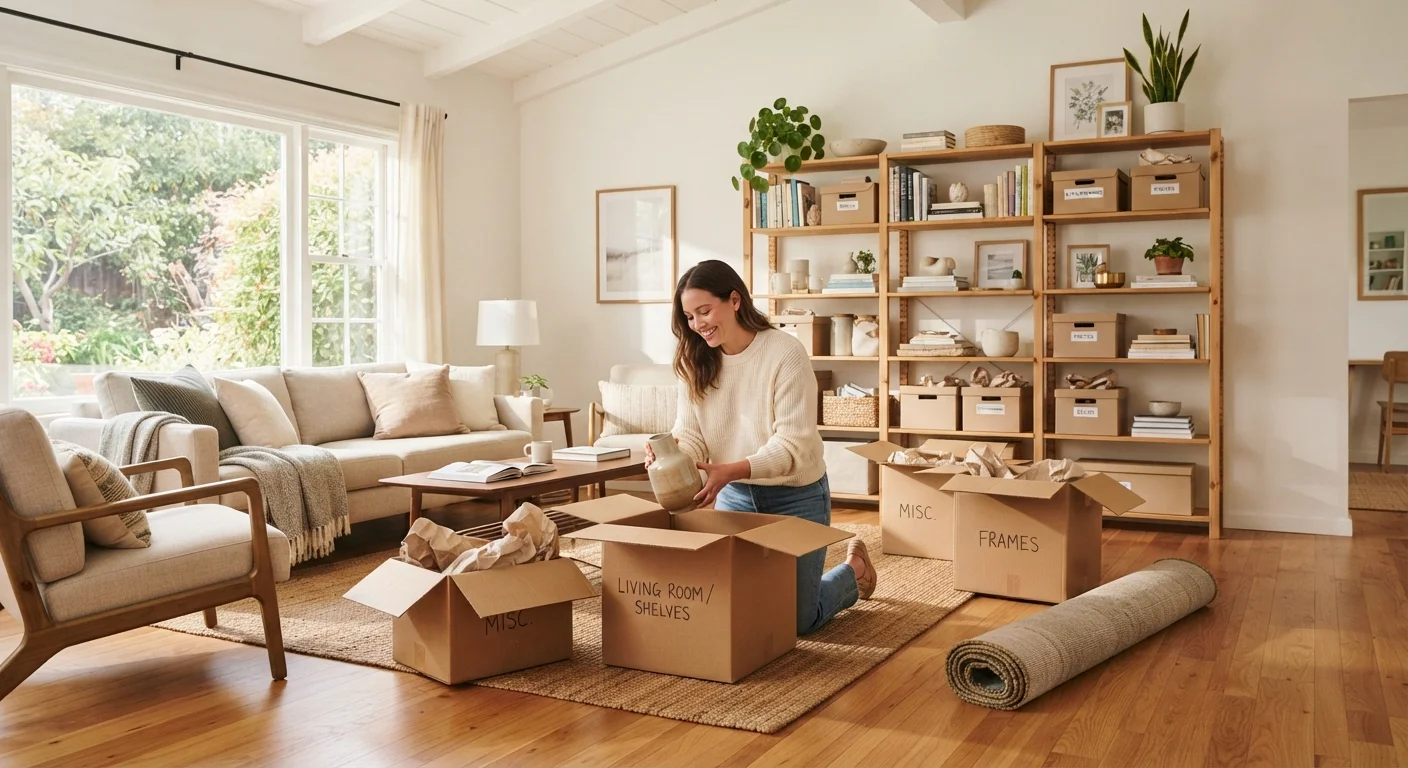
Tackle one room at a time to avoid feeling overwhelmed during move-in.
Establish zones for specific activities before unpacking - it prevents disorganized habits from forming.
Label everything early, even temporarily, so household members know where things belong.
The kitchen and bathroom benefit most from being set up before any other room.
A room-by-room approach helps you identify storage gaps before buying organizers.
A practical checklist covering every major room — from kitchen drawers to bathroom cabinets — to help you get organized from day one.
Why Getting Organized on Day One Matters
Moving into a new home is one of the best opportunities you will ever have to build good organization habits - everything starts empty, and you get to decide where things live before chaos sets in. Most disorganization in homes happens because items were placed somewhere convenient once and never moved again. Starting with a deliberate plan prevents that pattern entirely.
This checklist walks you through every major room so you can set up functional spaces from the start. If you want deeper guidance on underlying principles before you dive in, our guide for new homeowners covers the foundational thinking behind room setup. Once you've worked through this checklist, maintaining an organized home becomes the natural next step.
Kitchen
Designate zones before unpacking - cooking prep, baking supplies, pantry staples, and cleaning products should each have a dedicated area.Must
Place everyday dishes, glasses, and cutlery in the cabinet and drawer closest to the dishwasher or drying rack for easiest put-away.Must
Store pots and pans near the stove, and keep lids together using a vertical lid organizer or a simple tension rod divider.Should
Set up a dedicated junk-free drawer for frequently used tools like scissors, a bottle opener, and takeout menus.Should
Label pantry shelves or bins by category (grains, canned goods, snacks) before filling them.Nice to have
Primary Bedroom
Set up your bed and bedding completely on day one - having a made bed to return to reduces move-in stress significantly.Must
Divide closet space by type of clothing before hanging anything: work clothes, casual wear, and seasonal items in separate sections.Must
Place a nightstand or small surface on each side of the bed to prevent items from piling on the floor.Should
Add a small tray or bowl on the dresser as a designated spot for daily carry items like keys, a watch, and change.Nice to have
Bathroom
Install a shower caddy or tension shelf before bringing in any toiletries so products go directly to their designated spot.Must
Separate everyday toiletries from backup stock - keep extras under the sink or in a closet, not on the counter.Must
Assign one drawer or basket per household member to prevent shared-bathroom clutter.Should
Add a small trash bin with a lid to keep the space tidy and reduce odor.Should
Living Room
Identify the primary purpose of the room (relaxing, entertaining, working from home) and arrange furniture around that function first.Must
Route and bundle cords for electronics immediately rather than leaving them loose on the floor.Must
Create a dedicated media or remote control zone - a small tray or basket on the coffee table works well.Should
Designate a spot for books, magazines, or games so they have a home and don't accumulate on surfaces.Nice to have
Home Office or Work Area
Position your desk to face away from high-traffic areas or distractions if possible, even in a shared room.Must
Set up a paper-management system from the start: one tray for incoming items, one for items needing action, and a filing spot for documents to keep.Must
Keep charging cables tethered to the desk using clips or a cable organizer so they don't wander to other rooms.Should
Entryway and Mudroom
Install hooks or a rack for coats and bags immediately - without this, outerwear ends up on chairs and floors.Must
Place a shoe rack or tray by the door to prevent dirt from tracking through the house.Must
Add a small shelf or bowl for keys, mail, and sunglasses so these items always have a landing spot.Should
Storage Areas (Garage, Basement, or Utility Closet)
Sort everything into broad categories before shelving: tools, seasonal décor, cleaning supplies, and sports equipment should each have a dedicated zone.Must
Store heavy items low and light items high to prevent injury and make access safer.Must
Label all bins and boxes on the side facing out, not just the top, so you can read them without moving anything.Should
Keep a clear path to your electrical panel, water shut-off, and HVAC equipment at all times - never block these with storage.Must
What You'll Need Before You Start
Before working room by room, gather a few basic supplies so you are not stopping mid-task to search for a marker or a trash bag. You don't need expensive organizers right away - the goal at this stage is placement and function, not aesthetics.
Required
Permanent marker and labels or painter's tape
Temporarily label shelves, bins, and boxes in every room before buying permanent organizers.
Required
Trash bags (large and medium)
Immediately discard packing materials, damaged items, and anything you decide not to keep during unpacking.
Required
Measuring tape
Measure cabinet, drawer, and shelf dimensions before purchasing bins or organizers to ensure a proper fit.
Required
Basic toolkit (screwdriver, hammer, level)
Hang hooks, install shelving, and assemble furniture as you set up each room.
Optional
Stackable bins or baskets
Create flexible, visible storage groupings in pantries, closets, and bathroom cabinets.
Optional
Tension rod or drawer dividers
Keep utensils, lids, and small kitchen or bathroom items separated within drawers and cabinets.
Don't Buy Organizers Too Early
It is tempting to stock up on bins, baskets, and drawer inserts before you move in, but buying organizers before you know what you own and how the space actually functions often leads to waste. Live in each room for a few days, identify genuine problem areas, measure the actual space, and then shop for solutions that fit your specific situation.
How to Use This Checklist Effectively
Work through one room completely before moving to the next. Resist the urge to unpack all boxes first and organize later - that approach usually results in items landing wherever there is space rather than where they belong. Instead, identify the purpose of each zone in a room, then unpack directly into those zones.
Before organizing a single drawer, locate and note the position of your electrical panel, main water shut-off valve, and gas shut-off (if applicable). Make sure all household members know where these are. In an emergency, that knowledge matters far more than any organized pantry. Keep clear, unobstructed access to these areas at all times.
The content provided on our blog site traverses numerous categories, offering readers valuable and practical information. Readers can use the editorial team’s research and data to gain more insights into their topics of interest. However, they are requested not to treat the articles as conclusive. The website team cannot be held responsible for differences in data or inaccuracies found across other platforms. Please also note that the site might also miss out on various schemes and offers available that the readers may find more beneficial than the ones we cover.