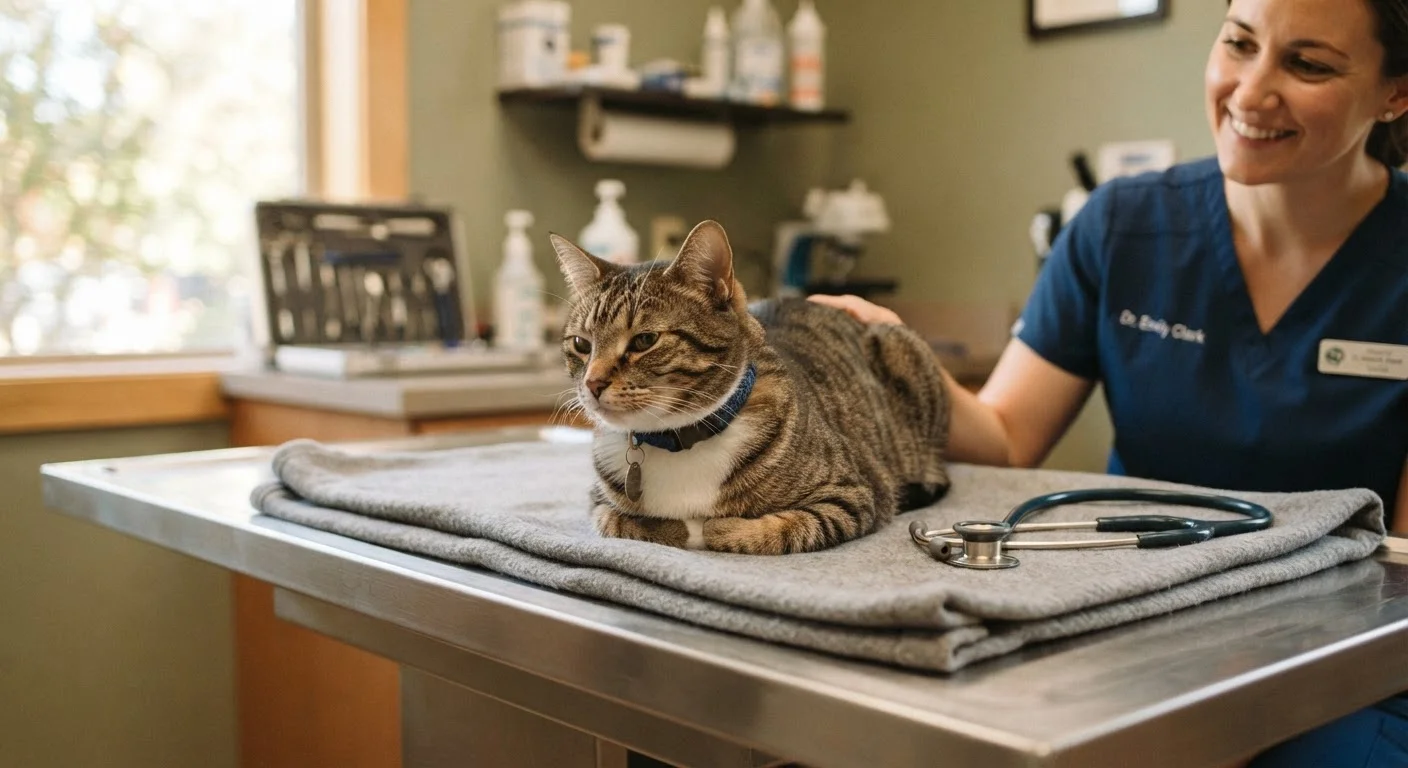
Why Preventive Care Is the Foundation
New cat owners often focus on the fun parts - toys, names, cozy beds - and assume health care only kicks in when something goes wrong. In reality, consistent preventive care is what keeps problems from developing in the first place.
A routine wellness exam once a year (or twice yearly for senior cats, generally defined as those aged 11 and older) gives a veterinarian the chance to spot early signs of conditions like kidney disease, hyperthyroidism, and dental disease before they become hard to manage. These visits also keep vaccination records current and open a conversation about your cat's weight, behaviour, and diet.
If you're still preparing for that first appointment, our guide to your first vet visit covers exactly what to bring and which questions to raise. And if your cat is still settling in at home, what the first week actually looks like can help set realistic expectations.
Register With a Vet Before You Need One
Don't wait until your cat is sick to find a veterinary practice. Register as a new patient as soon as possible after bringing your cat home - many practices have waiting lists for new clients. Having an established relationship with a vet means faster access to care when it matters most.
Vaccinations: What Your Cat Needs and When
Vaccines protect cats from diseases that can be fatal or cause lasting harm. Vets generally divide vaccines into two categories:
- Core vaccines - recommended for all cats regardless of lifestyle. These include FVRCP (feline viral rhinotracheitis, calicivirus, and panleukopenia) and rabies.
- Non-core vaccines - recommended based on individual risk factors, such as whether your cat goes outdoors or lives with other cats. Feline leukemia virus (FeLV) vaccine falls into this group.
Kittens receive a series of vaccinations starting around 6-8 weeks of age, with boosters every 3-4 weeks until about 16 weeks old. Adult cats then follow a booster schedule your vet will outline based on the specific vaccine and your cat's lifestyle.
~70%
Cats showing dental disease by age 3
Veterinary dental health organizations widely report that the majority of cats develop some degree of periodontal disease by their third year.
2x/year
Recommended vet visits for senior cats
The American Association of Feline Practitioners recommends twice-yearly wellness exams for cats aged 11 and older to catch age-related conditions early.
6-8 weeks
Age kittens start their vaccine series
Most veterinary guidelines recommend beginning core kitten vaccinations at 6 to 8 weeks of age, with boosters continuing until about 16 weeks.
Never skip boosters based on the assumption that an indoor cat faces no risk. Respiratory viruses, for example, can enter the home on clothing or through open windows.
Nutrition Basics for a Healthy Cat
Cats are obligate carnivores - a term meaning their bodies require nutrients found only in animal tissue. Unlike dogs or humans, cats cannot produce certain amino acids (taurine, for instance) on their own and must get them from food. A diet low in animal protein can lead to serious organ damage over time.
When choosing food, look for products that meet the nutritional standards established by the Association of American Feed Control Officials (AAFCO). The label will state whether the food is formulated for a specific life stage (kitten, adult, or senior).
- Wet food provides significant moisture, which supports kidney and urinary tract health - important since cats have a naturally low thirst drive.
- Dry food is convenient and can support dental health, but should not be the sole food source for cats prone to urinary issues.
- Portion control matters. Free-feeding dry food is a leading contributor to feline obesity, which in turn raises the risk of diabetes and joint problems.
Transition new foods gradually over 7-10 days by mixing increasing amounts of the new food with the old. Abrupt changes are a leading cause of digestive upset in cats.
A cat's gastrointestinal system adjusts slowly to dietary change; a gradual transition reduces vomiting and diarrhea significantly.
Weigh your cat at home monthly using a baby scale or the 'hold and subtract' method (weigh yourself, then weigh yourself holding the cat). Even half a pound of unexpected weight loss in a cat warrants a vet call.
Because cats are small, proportionally small weight changes carry more clinical significance than they would in a larger animal, and early detection changes outcomes.
Before making any significant diet change, especially for a kitten or a cat with a known health condition, discuss the plan with your veterinarian. There is no universally correct diet - individual needs vary.
Dental Health: The Overlooked Priority
Dental disease (also called periodontal disease) is one of the most common health problems in cats. Veterinary organizations estimate that the majority of cats show signs of dental disease by the time they reach three years of age. Left untreated, bacteria from inflamed gums can enter the bloodstream and affect the heart, kidneys, and liver.
Prevention starts at home:
- Toothbrushing - ideally daily, using a toothbrush and toothpaste formulated specifically for cats. Human toothpaste contains ingredients that are toxic to cats.
- Dental treats and toys - a useful supplement but not a replacement for brushing.
- Professional cleanings - performed under anesthesia by a vet when tartar buildup requires it.
Urinary Straining Is a Medical Emergency
A cat - especially a male cat - that is straining in the litter box without producing urine may have a urinary blockage. This condition can become life-threatening within hours. Do not wait to see if it resolves on its own; contact an emergency veterinary clinic immediately.
Don't be discouraged if your cat resists brushing at first. Start slowly - touch the lips, then the gums, then introduce the brush over several weeks. Most cats will adapt with patience.
Parasite Prevention and Control
Parasites fall into two broad groups: external (fleas, ticks, ear mites) and internal (roundworms, hookworms, tapeworms, heartworm). Both groups can cause serious health problems and some - like certain intestinal worms - are transmissible to humans.
Indoor cats are not immune. Fleas hitch rides on clothing and other pets; mosquitoes (which transmit heartworm) can enter any home. A consistent prevention routine, chosen with your vet's guidance, is far simpler than treating an established infestation or infection.
- Ask your vet about a monthly or quarterly topical or oral preventive that covers the parasites most relevant to your cat's environment.
- New cats and kittens should be tested for intestinal parasites at their first visit and dewormed if needed.
- Check your cat's coat and ears regularly - early detection makes treatment faster and easier.
Be cautious about over-the-counter parasite products. Some formulations intended for dogs are toxic to cats. Always confirm a product is safe for felines before use.
Never Use Dog Parasite Products on Cats
Many flea and tick treatments formulated for dogs contain permethrin, a compound that is highly toxic to cats and can cause seizures or death. Always verify that any parasite preventive is specifically labeled safe for cats, and when in doubt, ask your veterinarian before applying anything.
When to Call the Vet
Cats are instinctively good at concealing illness - a survival trait inherited from wild ancestors for whom showing weakness meant becoming prey. This means symptoms that seem minor can sometimes indicate a serious underlying problem.
Contact your vet promptly if you notice:
- Changes in eating or drinking habits lasting more than 24-48 hours
- Unexplained weight loss or gain
- Lethargy or withdrawal from normal activity
- Vomiting or diarrhea more than once or twice in a short period
- Difficulty urinating, or straining in the litter box - this can be a medical emergency, particularly in male cats
- Discharge from the eyes, nose, or ears
- Lumps, wounds, or changes in coat condition
Our complementary article on symptoms new owners shouldn't ignore goes deeper into distinguishing minor quirks from genuine concerns. It's also worth reading common cat health myths to separate popular misconceptions from what veterinary science actually supports.
One procedure worth discussing at your first or second vet visit is spaying or neutering. If you haven't considered it yet, what cat owners need to know before deciding offers a balanced overview of the health and behavioural effects.
This article provides general educational information about cat health care and is not a substitute for professional veterinary advice. Always consult a licensed veterinarian for guidance specific to your cat's health needs.